Singapore is one of the most culturally vibrant countries in the world. The Singapore culture and traditions reflect a unique blend of Asian and global influences shaped by centuries of migration, trade, and social harmony. Despite being a modern global city, Singapore maintains strong cultural values rooted in community, family, and respect for diversity.
The cultural identity of Singapore is built upon four major ethnic groups: Chinese, Malay, Indian, and Eurasian communities. Each group contributes its own customs, languages, cuisines, and festivals, creating a harmonious multicultural society. Because of this diversity, visitors and residents experience a fascinating mix of traditions, religions, and daily practices.
Understanding Singapore culture and traditions helps people appreciate how the country balances modernization with heritage. From traditional festivals and food culture to etiquette and social values, Singapore’s traditions play an important role in everyday life.
The Multicultural Foundation of Singapore
The most defining feature of Singapore culture and traditions is multiculturalism. The country celebrates diversity and encourages communities to preserve their heritage while living in harmony.
Major Ethnic Communities in Singapore
Singapore’s population mainly consists of four major ethnic groups, each contributing to the nation’s cultural identity.
Chinese Community
The Chinese community forms the majority population and has a significant influence on Singapore’s traditions. Many customs originate from Chinese heritage, including festivals, ancestral worship, and family-centered values.
Common Chinese cultural elements include:
- Lunar New Year celebrations
- Traditional Chinese medicine
- Confucian family values
- Ancestral respect traditions
- Chinese opera and calligraphy
Malay Community
The Malay community represents the indigenous culture of the region. Malay traditions strongly influence Singapore’s music, clothing, and cuisine.
Important Malay cultural practices include:
- Traditional Malay weddings
- Kampong-style community spirit
- Islamic cultural values
- Traditional music and dance
Indian Community
Indian culture adds vibrant religious festivals, classical art, and diverse culinary traditions to Singapore’s cultural landscape.
Indian traditions in Singapore include:
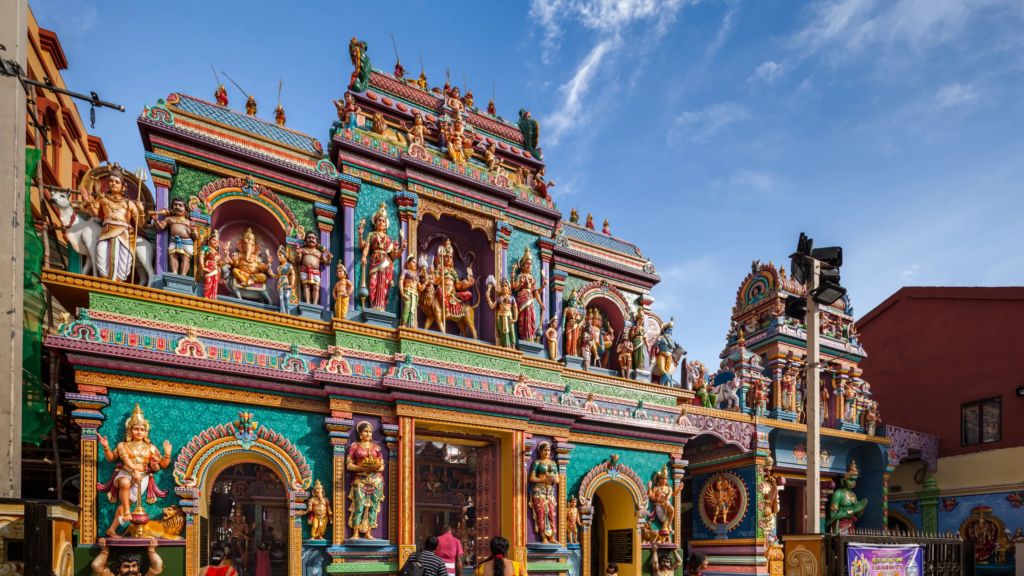
- Hindu temple festivals
- Traditional Indian weddings
- Classical Indian dance forms
- Ayurveda and spiritual practices
Eurasian Community
The Eurasian community blends European and Asian heritage. Their traditions include unique food culture, language influences, and Christian celebrations.
The coexistence of these cultures creates the distinctive identity associated with Singapore culture and traditions.
Languages and Cultural Communication
Language is an essential part of Singapore culture and traditions. Singapore has four official languages:
- English
- Mandarin Chinese
- Malay
- Tamil
English acts as the primary language for business, education, and administration. However, many Singaporeans also speak their ethnic languages at home.
Another interesting cultural element is Singlish, a unique informal language that mixes English with Chinese dialects, Malay, and Tamil expressions. Although it is not used in formal communication, Singlish reflects local identity and cultural humor.
Language diversity strengthens the social fabric and supports the preservation of traditions across generations.
Traditional Festivals Celebrated in Singapore
Festivals play a major role in Singapore culture and traditions. Throughout the year, the country celebrates numerous cultural and religious events that reflect its multicultural heritage.
Chinese New Year
Chinese New Year is the most widely celebrated festival in Singapore. Families gather for reunion dinners, exchange red envelopes, and decorate homes with red lanterns and auspicious symbols.
Popular traditions include:
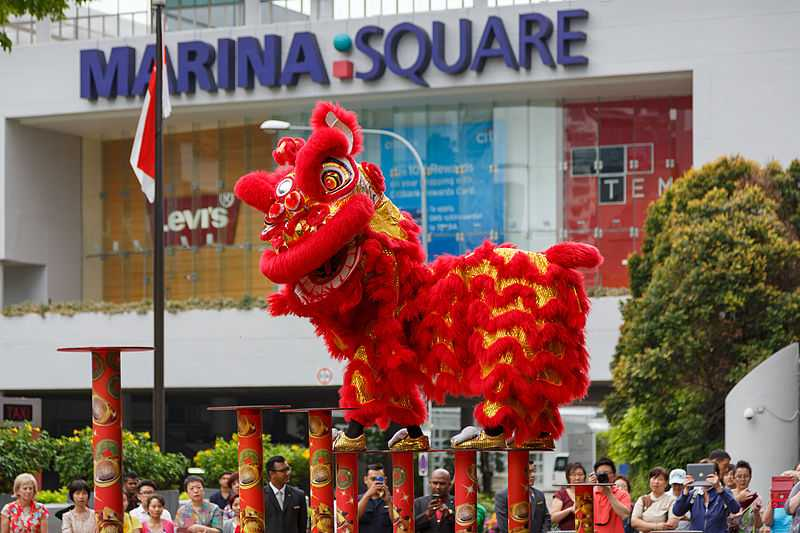
- Lion and dragon dances
- Spring cleaning before the festival
- Visiting relatives and friends
- Giving lucky money in red envelopes
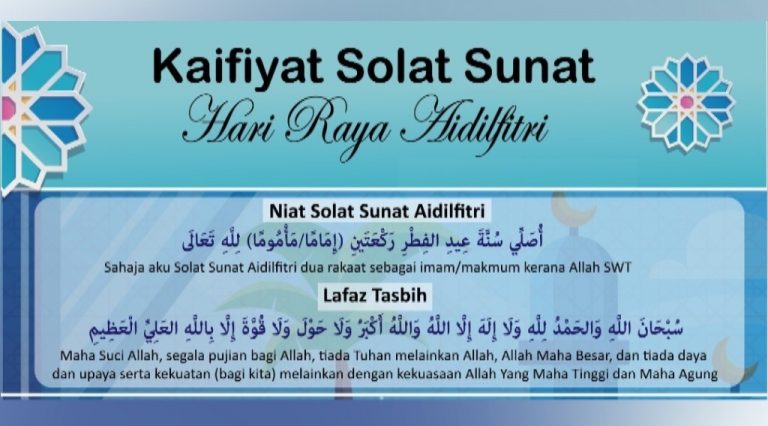
Hari Raya Aidilfitri
Hari Raya Aidilfitri marks the end of Ramadan and is an important celebration for the Muslim community. Families wear traditional clothing, visit relatives, and share festive meals.
Common practices include:
- Preparing traditional Malay dishes
- Visiting elders for blessings
- Community open houses
Deepavali
Deepavali, also known as the Festival of Lights, is celebrated by the Indian community. Homes are decorated with colorful lights and intricate rangoli designs.
Deepavali traditions include:
- Lighting oil lamps
- Visiting temples
- Sharing sweets and gifts
Christmas Celebrations
Christmas is widely celebrated in Singapore due to its multicultural population. Streets and shopping districts are decorated with festive lights, and families gather for celebrations.
These festivals highlight the diversity within Singapore culture and traditions, promoting unity among different communities.
Traditional Food Culture in Singapore
Food is one of the most recognizable elements of Singapore culture and traditions. The country is known for its vibrant street food scene and multicultural cuisine.
Singapore’s culinary traditions combine Chinese, Malay, Indian, and Peranakan influences. Many traditional dishes represent centuries of cultural exchange.
Popular traditional foods include:
- Hainanese chicken rice
- Laksa noodle soup
- Satay grilled meat skewers
- Roti prata flatbread
- Chili crab seafood dish
Food culture in Singapore is closely tied to social life. Families and friends often gather at local food centers to enjoy traditional dishes together.
The shared appreciation for food strengthens community bonds and preserves cultural heritage.
Traditional Clothing in Singapore
Traditional clothing remains an important part of Singapore culture and traditions, especially during festivals, weddings, and religious events.
Each ethnic group has its own traditional attire.
Chinese Traditional Clothing
- Cheongsam for women
- Tang suits for men
Malay Traditional Clothing
- Baju Kurung for women
- Baju Melayu for men
Indian Traditional Clothing
- Saree for women
- Kurta and dhoti for men
These garments reflect cultural pride and are commonly worn during important celebrations.
Social Values and Cultural Etiquette
Respect, harmony, and community values are fundamental aspects of Singapore culture and traditions. Social behavior in Singapore reflects a strong emphasis on politeness and mutual respect.
Respect for Elders
Respecting elders is deeply embedded in Singaporean society. Younger individuals often greet elders politely and seek their guidance in family matters.
Public Behavior and Discipline
Singapore is known for its clean environment and disciplined society. Cultural norms encourage responsible behavior in public spaces.
Examples include:
- Maintaining cleanliness
- Respecting public rules
- Showing courtesy in public transport
Multicultural Harmony
Singapore actively promotes racial and religious harmony. People from different cultural backgrounds celebrate each other’s festivals and traditions.
This cultural respect helps maintain peace in a diverse society.
Traditional Arts and Cultural Heritage
Arts and cultural heritage play a major role in preserving Singapore culture and traditions. The country supports traditional music, dance, and crafts through festivals, cultural centers, and educational programs.
Examples of traditional art forms include:
- Chinese lion dance performances
- Malay traditional music
- Indian classical dance
- Peranakan beadwork crafts
Cultural institutions and community organizations continue to promote these art forms to ensure they remain part of Singapore’s national identity.
Modern Influence on Singapore Culture
While traditions remain important, Singapore has also embraced modern global culture. Technology, international business, and tourism influence daily life.
However, the country carefully balances modernization with heritage preservation. Government initiatives and cultural programs encourage younger generations to stay connected with their traditions.
Examples of modern cultural influences include:
- Global fashion trends blended with traditional clothing
- Modern food interpretations of traditional recipes
- Digital platforms promoting cultural education
This balance allows Singapore culture and traditions to evolve while maintaining authenticity.
Tips for Understanding Singapore Cultural Practices
For visitors and new residents, understanding local customs helps create positive experiences.
Helpful cultural tips include:
- Respect religious sites and dress modestly
- Remove shoes before entering some homes
- Use polite greetings when meeting elders
- Be mindful of cultural diversity
Learning about traditions enhances appreciation for Singapore’s unique social environment.
Common Misconceptions About Singapore Culture
Many people misunderstand the complexity of Singapore culture and traditions. A few common misconceptions include:
Singapore has only Chinese culture
In reality, Singapore’s identity is multicultural, with Malay, Indian, and Eurasian traditions playing important roles.
Modern cities lose their traditions
Singapore proves that modern development can coexist with strong cultural heritage.
Cultural traditions are disappearing
Instead, many traditions are actively preserved through festivals, education, and community programs.
Understanding these realities provides a more accurate picture of Singapore’s cultural identity.
The Role of Family in Singapore Traditions
Family plays a central role in Singapore culture and traditions. Many traditions revolve around family gatherings, celebrations, and shared responsibilities.
Family values include:
- Respect for parents and elders
- Support between generations
- Strong emphasis on education
- Celebrating festivals together
These values strengthen social stability and cultural continuity.
Future of Singapore Culture and Traditions
The future of Singapore culture and traditions lies in preserving heritage while adapting to global change. Cultural institutions, schools, and communities continue to educate younger generations about their roots.
Digital platforms, cultural festivals, and educational programs help keep traditions relevant in modern society.
As Singapore grows as a global city, its cultural diversity remains one of its greatest strengths.
Frequently Asked Questions
What makes Singapore culture unique?
Singapore culture is unique because it blends Chinese, Malay, Indian, and Western influences into a harmonious multicultural society.
What are the major traditions in Singapore?
Major traditions include cultural festivals, family-centered values, traditional cuisine, and respect for multicultural harmony.
Why is food important in Singapore culture?
Food represents cultural heritage and social connection. Traditional dishes reflect the diverse ethnic influences within Singapore.
What languages are commonly spoken in Singapore?
English, Mandarin Chinese, Malay, and Tamil are the official languages spoken in Singapore.
How does Singapore preserve its traditions?
Singapore preserves traditions through cultural festivals, heritage programs, community initiatives, and education.
What festivals are celebrated in Singapore?
Major festivals include Chinese New Year, Hari Raya Aidilfitri, Deepavali, and Christmas.
Is Singapore a multicultural society?
Yes, Singapore is one of the most multicultural societies in the world, with multiple ethnic groups living together peacefully.
What role does family play in Singapore culture?
Family values such as respect for elders and strong family bonds are central to Singapore traditions.
Do young people still follow traditional practices?
Many younger generations continue to participate in cultural festivals and traditions while also embracing modern lifestyles.
Why are traditions important in Singapore?
Traditions help maintain social harmony, cultural identity, and community connection in a diverse society.