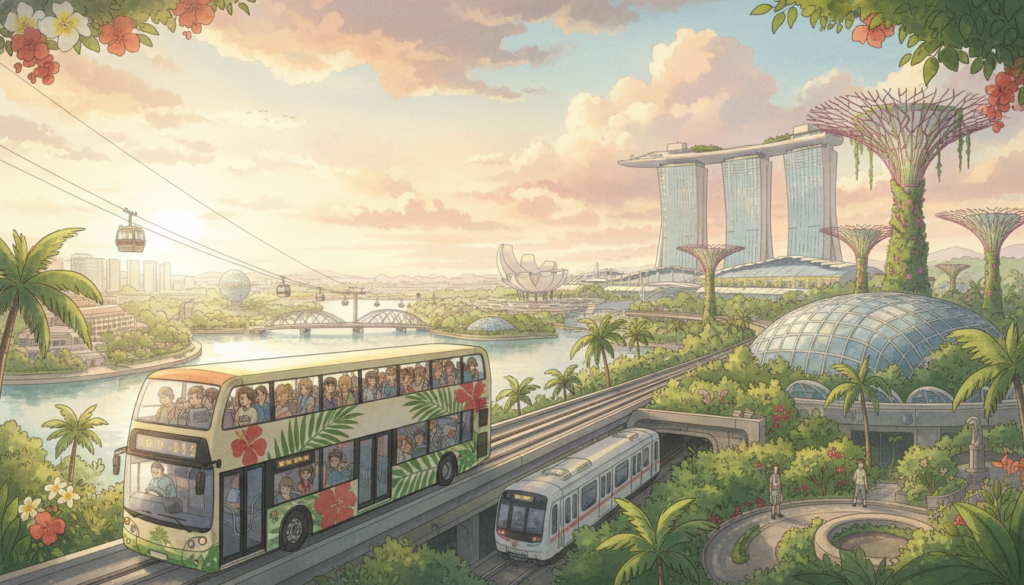
Singapore is widely known for having one of the most efficient and organized transport systems in the world. Whether you are a tourist exploring the city or a resident commuting daily, understanding how the system works can make travel faster, cheaper, and more convenient. This public transport Singapore guide explains everything you need to know about trains, buses, payment options, travel tips, and common mistakes to avoid.
The city’s transport network connects almost every neighborhood, tourist attraction, and business district. With a combination of MRT lines, buses, taxis, and integrated payment cards, getting around Singapore is straightforward once you understand the basics.
Understanding the Singapore Public Transport System
Singapore’s transport system is designed for efficiency and accessibility. Most people rely on trains and buses because they are affordable, punctual, and well-connected.
The system includes:
- MRT (Mass Rapid Transit)
- Public buses
- LRT (Light Rail Transit)
- Taxis and ride-hailing services
- Contactless payment systems
This public transport Singapore guide focuses mainly on the MRT and buses because they form the backbone of daily commuting in the city.
MRT System: The Backbone of Singapore Transport
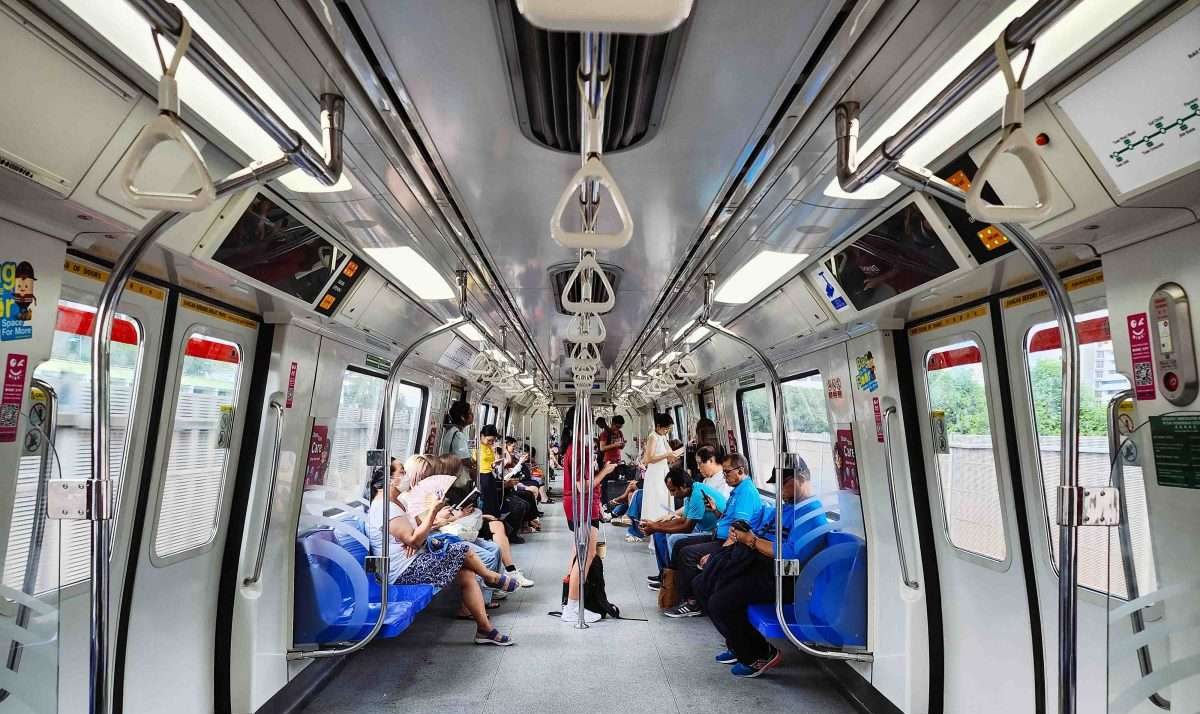
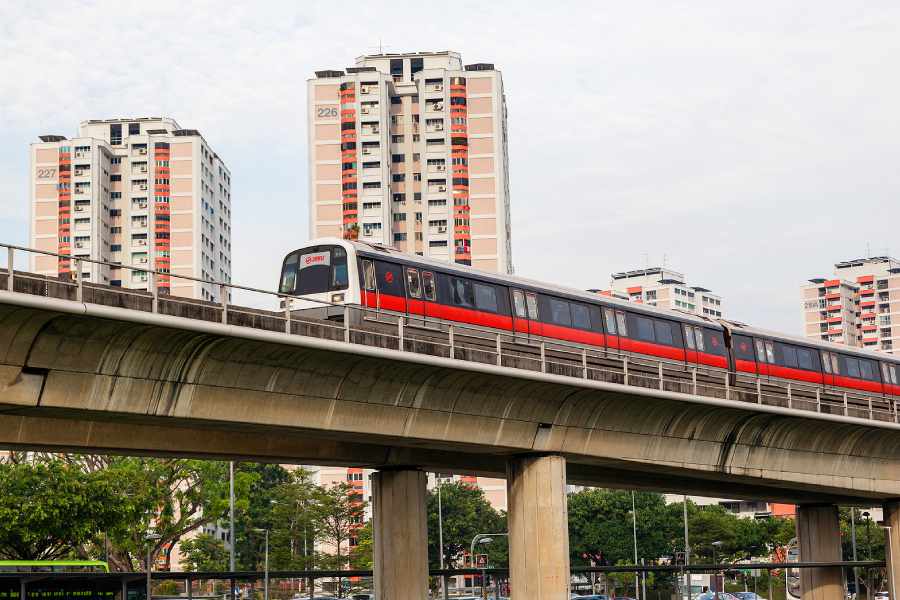
The MRT network is the fastest way to travel across Singapore. Trains run frequently and connect key locations such as the airport, city center, residential towns, and business districts.
Key Features of the MRT
- Air-conditioned and comfortable trains
- Frequent services every few minutes
- Clear station signage and announcements
- Easy connections between lines
The MRT network covers most parts of the island, making it a primary transport choice for locals and tourists.
Major MRT Lines
The system consists of several major lines, each serving different areas of Singapore.
North–South Line
Connects the northern residential areas to the central business district.
East–West Line
One of the longest lines linking the eastern and western parts of Singapore.
Downtown Line
Provides convenient access to many popular districts and commercial areas.
Circle Line
Runs around central Singapore and connects multiple MRT lines.
Thomson-East Coast Line
A newer line that improves connectivity along the eastern corridor.
Understanding these lines is an important part of using the public transport Singapore guide effectively.
Singapore Bus Network
While the MRT covers major routes, buses provide extensive coverage for neighborhoods and smaller streets. Many commuters combine MRT and buses during their daily travel.
Benefits of Using Buses
- Reach areas not covered by MRT
- Comfortable and air-conditioned vehicles
- Frequent services throughout the day
- Affordable fares
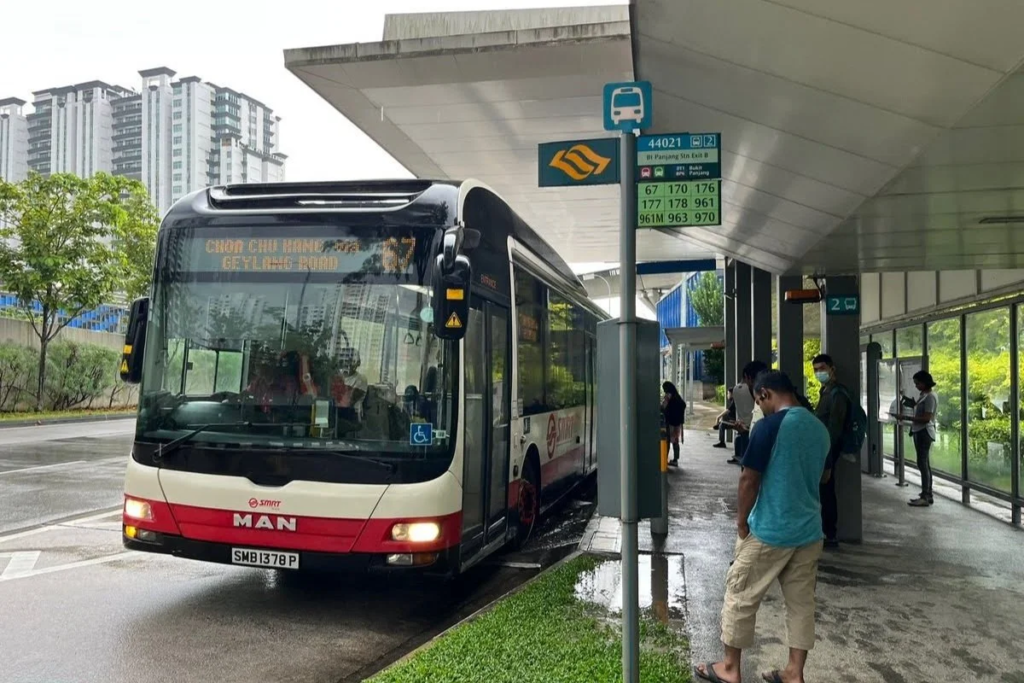
Bus routes are clearly displayed at bus stops, and digital displays often show the estimated arrival times.
Types of Bus Services
Singapore offers several types of bus services designed for different travel needs.
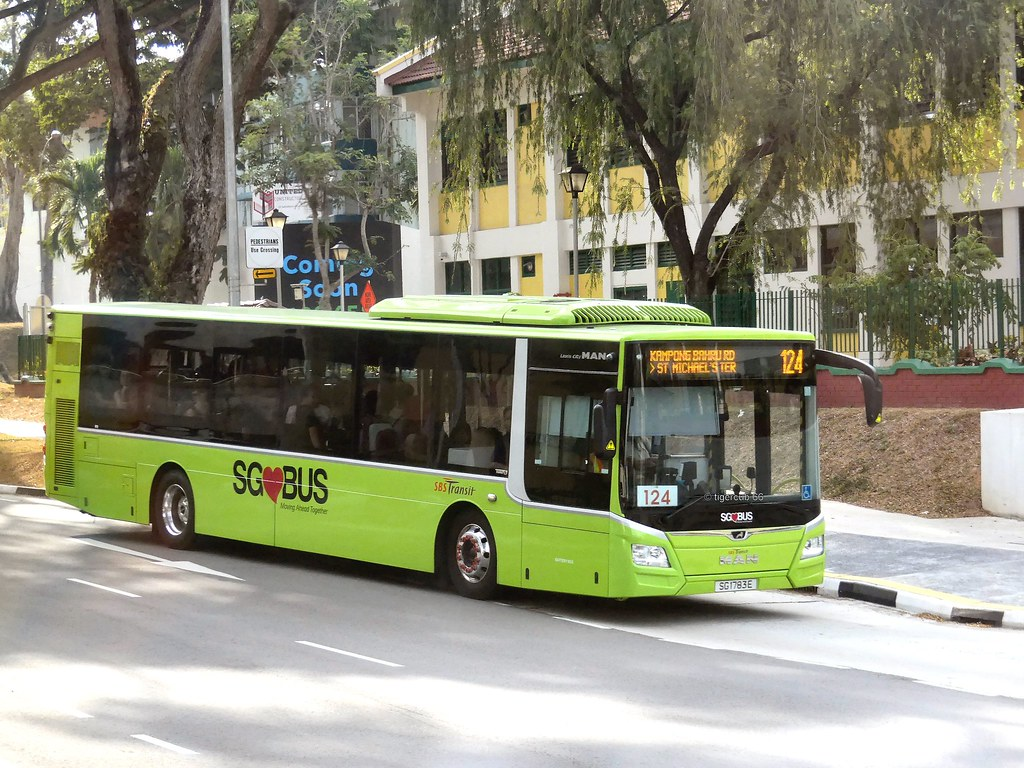
Standard buses operate throughout the city and stop at most bus stops.
Express buses travel faster by stopping at fewer locations.
Night buses operate late at night, helping people return home after MRT services end.
Using buses along with trains is a smart strategy recommended in every public transport Singapore guide.
How to Pay for Public Transport
Singapore uses a contactless payment system that makes commuting simple. Travelers can pay fares without buying individual tickets every time they travel.
Transport Cards
The most common payment method is a stored-value transport card. These cards can be tapped when entering and exiting MRT stations or boarding buses.
Advantages include:
- Faster entry and exit
- Automatic fare calculation
- Easy top-ups at stations
Contactless Bank Cards
Many commuters also use contactless debit or credit cards to pay for rides. This option eliminates the need for a separate transport card.
Both options work seamlessly across MRT and buses, which is why they are commonly mentioned in every public transport Singapore guide.
Public Transport Fares in Singapore
Transport fares in Singapore depend mainly on distance traveled. The system automatically calculates the fare when you tap your card in and out.
Factors Affecting Fares
- Distance traveled
- Type of transport used
- Transfer between bus and MRT
Traveling during peak hours does not significantly change fares, but trains and buses may be more crowded.
Cost Efficiency
Compared with many global cities, Singapore’s public transport is relatively affordable. Daily commuters benefit from integrated fares that allow seamless transfers between MRT and buses.
Learning how fares work is essential when following a public transport Singapore guide.
How to Plan Your Route
Planning your route before leaving can save time and make your journey smoother.
Steps to Plan a Journey
- Identify your starting MRT or bus stop
- Find the nearest MRT line or bus route
- Check possible transfer stations
- Estimate travel time
Because the network is well connected, most destinations can be reached using just one or two transfers.
Many travelers rely on this public transport Singapore guide approach to navigate the city efficiently.
Tips for Using MRT and Buses
Even though Singapore’s transport system is user-friendly, a few tips can improve your experience.
Travel During Off-Peak Hours
Morning and evening rush hours are usually crowded. Traveling during quieter times makes the journey more comfortable.
Stand on the Left of Escalators
Escalator etiquette is important. People stand on the left so others can walk on the right side.
Queue Before Boarding
Passengers typically queue in an orderly manner before boarding trains or buses.
Tap Your Card Properly
Always remember to tap your card when entering and exiting stations or buses to avoid incorrect charges.
These small practices make commuting smoother when following any public transport Singapore guide.
Accessibility and Convenience
Singapore has invested heavily in accessibility features for public transport users.
Facilities for Everyone
Transport stations include:
- Elevators and ramps
- Wheelchair access
- Priority seating
- Tactile guidance paths for visually impaired passengers
These features make public transport convenient for elderly passengers, families with children, and people with disabilities.
Accessibility improvements are a key reason why the public transport Singapore guide is recommended for both locals and tourists.
Safety and Cleanliness Standards
Singapore’s transport system is known for its strict safety and cleanliness standards.
Safety Measures
- Security cameras in stations and trains
- Regular patrols by transport staff
- Clear emergency instructions
Clean Environment
Food and drink are generally not allowed in MRT stations or trains, which helps maintain cleanliness.
These rules may seem strict, but they contribute to the high standards often highlighted in every public transport Singapore guide.
Common Mistakes to Avoid
Many first-time travelers make small mistakes that can cause inconvenience during their journey.
Forgetting to Tap Out
If you forget to tap your card when leaving a station or bus, the system may charge a higher fare.
Standing in Front of Train Doors
Passengers should allow others to exit the train before boarding.
Ignoring Route Planning
Jumping onto the first train without checking the direction may result in unnecessary transfers.
Avoiding these mistakes makes it easier to follow the public transport Singapore guide effectively.
Expert Tips for Tourists
Visitors often find Singapore’s transport system easy to use, but a few expert tips can improve their experience.
Buy a Stored Value Card
It saves time compared to purchasing individual tickets.
Use MRT for Long Distances
Trains are faster than buses when traveling across the island.
Combine MRT and Bus Routes
This combination often provides the most efficient travel option.
Travelers who apply these strategies can fully benefit from this public transport Singapore guide.
Advantages of Singapore’s Public Transport
Singapore’s transport system is frequently ranked among the best in the world.
Key Advantages
- Reliable schedules
- Extensive network coverage
- Affordable fares
- Clean and safe environment
- Easy payment systems
These advantages explain why so many commuters rely on the system daily.
Future Developments in Singapore Transport
Singapore continues to expand its public transport infrastructure to support population growth and urban development.
Upcoming Improvements
- New MRT stations and lines
- Faster and more efficient trains
- Smart technology for route planning
- Improved connectivity between districts
As the network expands, future editions of any public transport Singapore guide will likely include even more travel options.
Frequently Asked Questions
How does public transport work in Singapore?
Singapore’s public transport system uses MRT trains and buses connected through a distance-based fare system. Passengers pay using contactless cards or transport cards.
Is the MRT the best way to travel in Singapore?
For long distances and city travel, the MRT is usually the fastest and most convenient option.
Are buses easy to use in Singapore?
Yes. Buses are well organized, air-conditioned, and provide extensive coverage across neighborhoods.
Can tourists use Singapore public transport easily?
Yes. Tourists can use transport cards or contactless bank cards to pay for MRT and bus rides.
Is public transport expensive in Singapore?
Compared with many global cities, public transport in Singapore is relatively affordable.
Do buses and MRT operate late at night?
Most MRT lines stop around midnight, but some bus services continue operating later.
How often do MRT trains run?
During peak hours trains typically arrive every few minutes.
Is Singapore public transport safe?
Yes. Strict safety regulations and security monitoring make it one of the safest transport systems.
Can I travel around Singapore without a car?
Absolutely. The MRT and bus network makes it easy to reach almost any location without needing a private vehicle.
What is the best public transport option for tourists?
Most tourists prefer using MRT trains combined with buses because they are efficient and cost-effective.
Conclusion
Singapore’s transport system is designed to be reliable, efficient, and easy to use. By understanding how MRT lines, buses, payment methods, and route planning work, both residents and visitors can travel around the city smoothly.
Following this public transport Singapore guide will help you navigate the island confidently, avoid common mistakes, and enjoy a comfortable commuting experience. With continuous improvements and expanding infrastructure, Singapore’s public transport network will remain one of the most convenient urban mobility systems in the world.