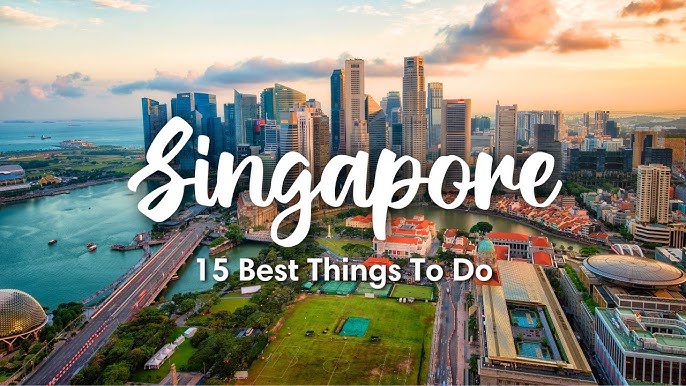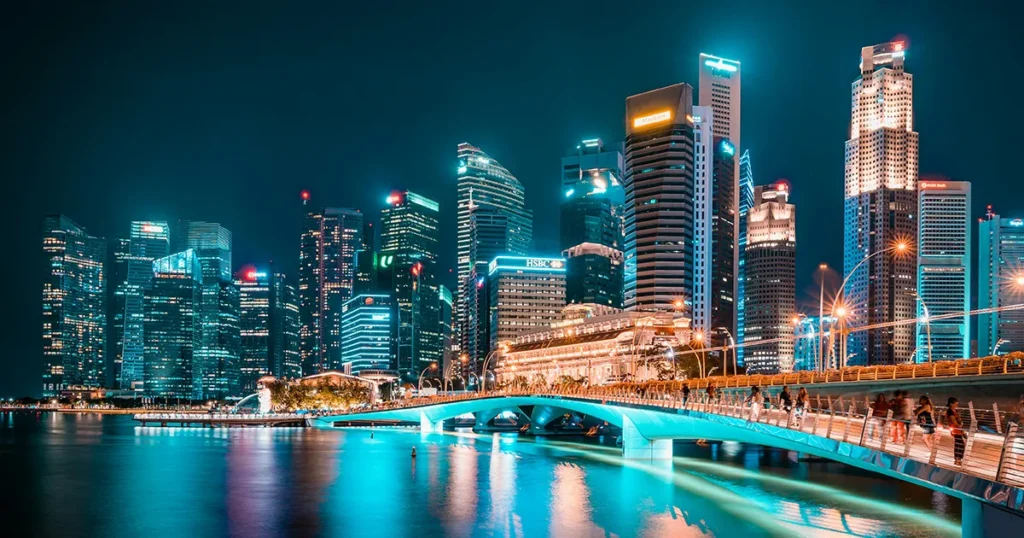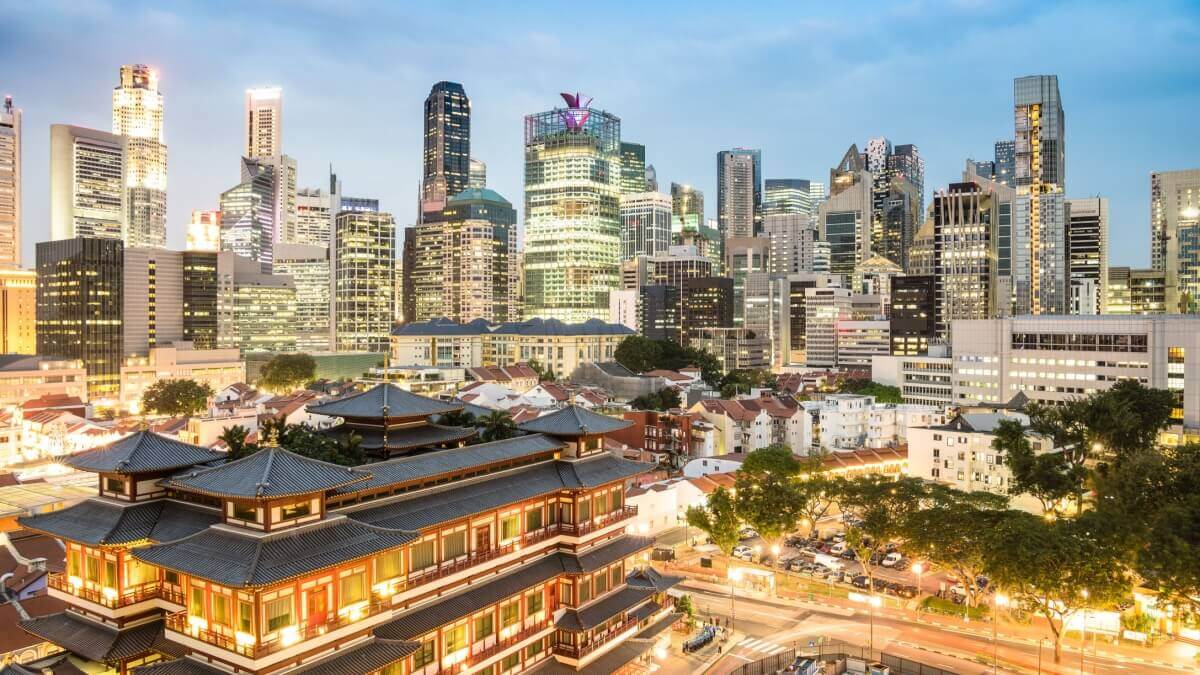
Singapore is one of the most modern, safe, and efficient countries in the world. Many professionals, students, and families move here every year because of its strong economy, clean environment, and high quality of life. If you are planning to relocate or simply want to understand what life is like here, this living in Singapore guide will help you understand everything from housing and cost of living to transportation, healthcare, and daily lifestyle.
This detailed living in Singapore guide explains the essentials of settling in the country and what newcomers should expect. Whether you are an expat, professional, entrepreneur, or student, understanding how the city works will help you adapt faster and make better decisions.
Why Singapore Is a Popular Place to Live
Singapore attracts people from all over the world because of its stability and opportunities. The country combines modern infrastructure, economic growth, and multicultural diversity.
One of the main reasons people move here is the strong job market. Many global companies operate regional headquarters in Singapore, which creates opportunities in finance, technology, logistics, and business services.
Another major factor is safety. Singapore is consistently ranked among the safest cities in the world. The strict laws, efficient public systems, and organized urban planning create a secure environment for residents.
Education and healthcare are also world class. Families moving to Singapore often appreciate the quality schools and excellent medical services available across the city.
For these reasons, this living in Singapore guide is useful for anyone considering relocation.
Cost of Living in Singapore
One of the most important topics in any living in Singapore guide is the cost of living. Singapore is known as one of the most expensive cities globally, but the lifestyle and opportunities often justify the cost.
Housing is the biggest expense for most residents. Rental prices vary depending on the location, property type, and proximity to transportation. Central districts are significantly more expensive than suburban areas.
Food costs can vary greatly depending on where you eat. Dining in restaurants can be expensive, but local food courts offer delicious and affordable meals. Grocery shopping is moderately expensive because many products are imported.
Transportation is relatively affordable due to the efficient public transit system. Many residents prefer using trains and buses instead of owning a car because vehicle ownership involves high taxes and registration fees.
Utilities such as electricity, water, and internet are generally reasonable compared to housing costs.
Understanding these expenses is essential for anyone using this living in Singapore guide to plan relocation.
Housing Options in Singapore
Finding the right home is one of the first steps when moving to Singapore. Housing options generally fall into three main categories.
Public Housing (HDB Flats)
Public housing is the most common residential option in Singapore. These apartments are well maintained and located across different neighborhoods.
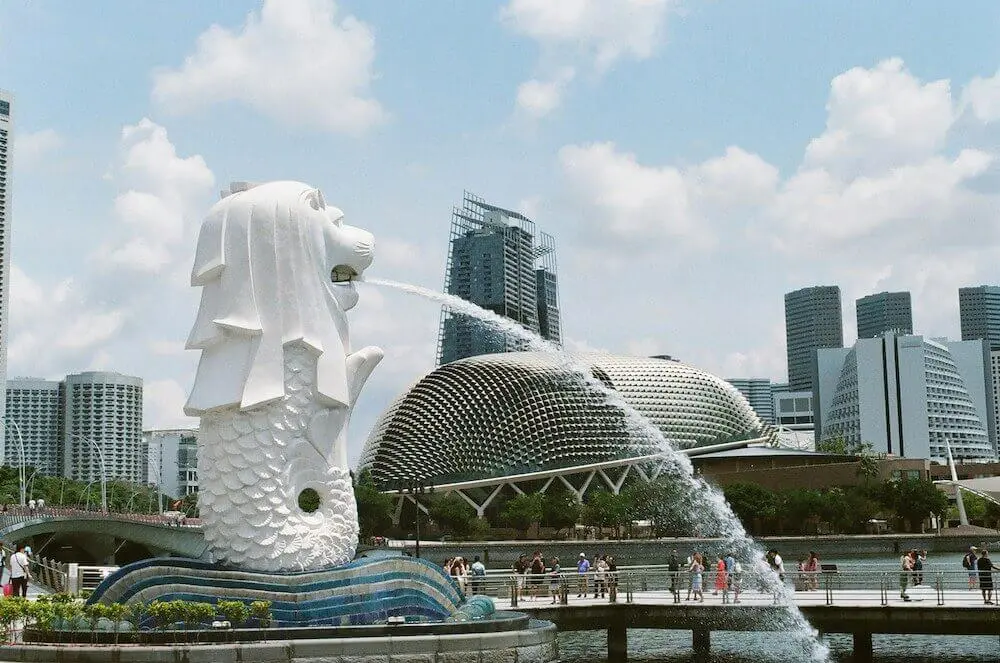
While citizens mainly occupy these units, some are available for rent to foreigners. Many expats choose HDB flats because they are more affordable than private apartments.
Private Condominiums
Private condominiums are popular among expats because they offer facilities such as swimming pools, gyms, and security services.
These properties are modern and comfortable but come with higher rental costs.
Landed Properties
Landed houses include terraces, semi-detached homes, and bungalows. These properties are spacious and luxurious but significantly more expensive.
For most newcomers following this living in Singapore guide, apartments or condominiums are the most practical choice.
Transportation in Singapore
Singapore has one of the most efficient transportation systems in the world.
MRT System
The Mass Rapid Transit system connects most areas of the city. Trains are clean, punctual, and affordable. Many residents rely on MRT as their primary mode of transportation.
Bus Network
Buses cover areas that MRT lines do not reach. They are comfortable and integrated with the transit system.
Taxis and Ride Services
Taxi services and ride apps are widely available. While convenient, they are usually more expensive than public transportation.
Car Ownership
Owning a car in Singapore is expensive because of government policies designed to control traffic congestion. Most residents prefer using public transportation instead.
For newcomers reading this living in Singapore guide, relying on public transit is the most practical option.
Job Opportunities and Work Culture
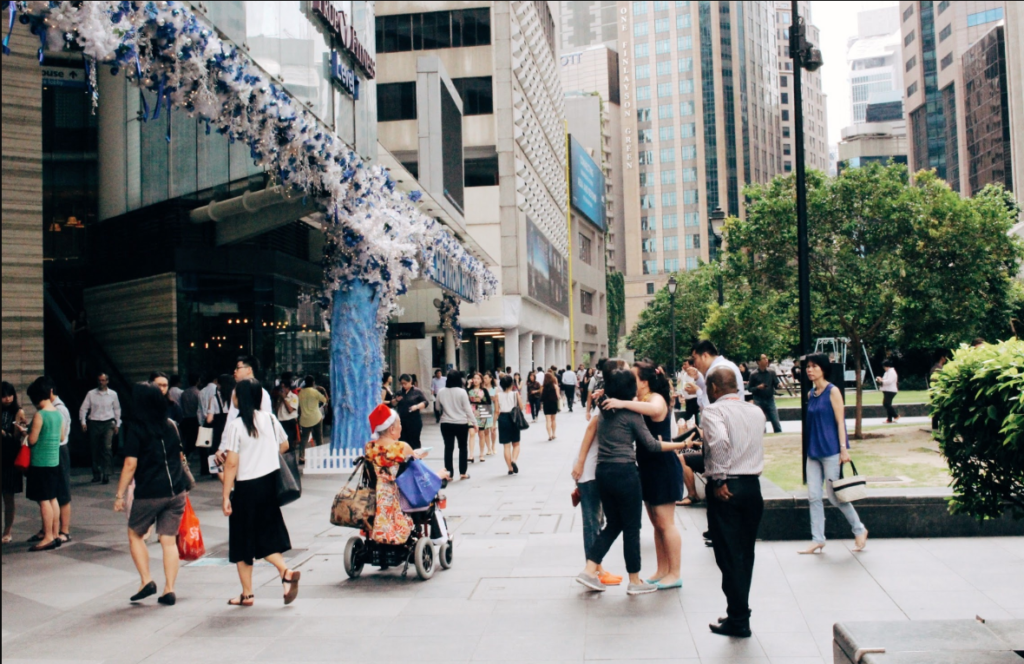
Singapore is one of the strongest business hubs in Asia. Professionals in finance, technology, marketing, logistics, and engineering often find opportunities here.
The work culture is generally fast paced and performance driven. Companies value efficiency, punctuality, and professionalism.
English is widely used in the workplace, which makes it easier for international professionals to integrate into the business environment.
Networking and professional connections also play an important role in career development. Many industries organize regular events and professional gatherings.
Understanding workplace expectations is an important part of any living in Singapore guide.
Healthcare System
Healthcare services in Singapore are among the best in the world.
The country has both public and private hospitals equipped with modern technology and highly trained medical professionals.
Health insurance is highly recommended for expatriates because private healthcare can be expensive.
Clinics are easily accessible in most residential areas, and pharmacies are widely available.
Overall, residents benefit from efficient medical systems and high standards of patient care.
Education Options for Families
Families moving to Singapore often prioritize education for their children.
International Schools
Many expatriate families choose international schools that follow American, British, or international curricula.
These schools provide high quality education and diverse learning environments but can be expensive.
Public Schools
Singapore’s public schools are known for strong academic performance and disciplined environments.
However, admission for foreign students may depend on availability and government approval.
Private Schools
Private schools offer additional educational options with different teaching styles and programs.
Parents using this living in Singapore guide should explore these options carefully before relocating.
Food Culture and Dining
Singapore is famous for its food culture. Residents enjoy a wide variety of cuisines including Chinese, Malay, Indian, and international dishes.
Food courts and hawker centers are popular dining spots offering affordable and authentic meals.
Street food is an important part of the local lifestyle, and many dishes have become internationally recognized.
Restaurants range from casual dining to luxury fine dining establishments.
For newcomers following this living in Singapore guide, exploring local food is one of the most enjoyable experiences.
Lifestyle and Entertainment
Singapore offers a vibrant lifestyle with many entertainment options.
Shopping malls are located across the city and offer international brands, restaurants, and entertainment venues.
Parks and green spaces provide opportunities for outdoor activities such as jogging, cycling, and family picnics.
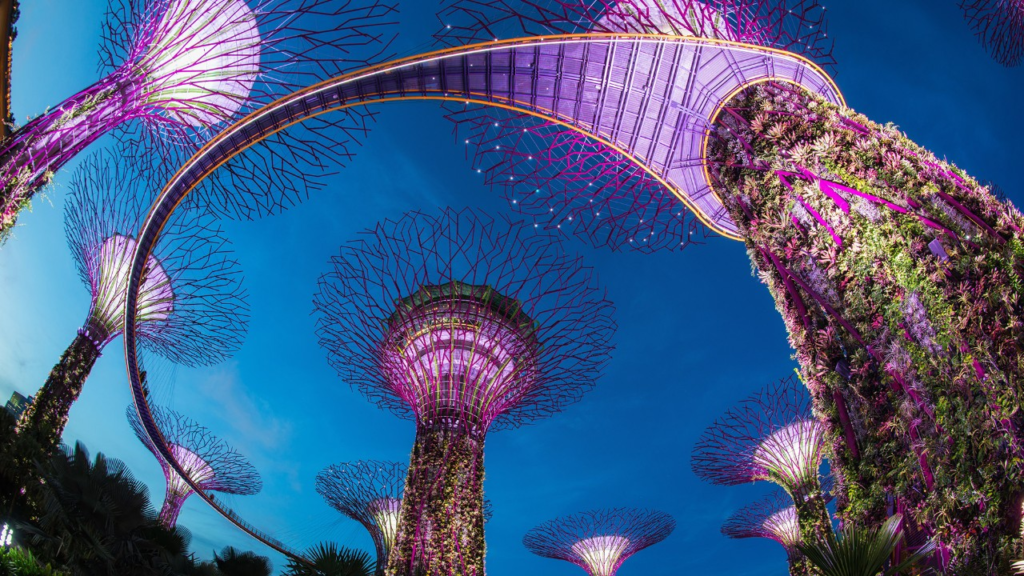
Cultural events, festivals, concerts, and exhibitions take place throughout the year.
Residents can also enjoy beaches, nature reserves, and island attractions within a short distance from the city center.
These lifestyle benefits make Singapore an attractive place to live.
Practical Tips for Living in Singapore
Adapting to a new country can take time. These practical tips can make the transition easier.
Plan your housing early because rental demand can be high.
Learn basic local customs and social etiquette to integrate smoothly into the community.
Use public transportation instead of owning a car to reduce living costs.
Manage finances carefully because housing and lifestyle expenses can add up quickly.
Build professional networks to explore job opportunities and career growth.
Following these tips will help newcomers benefit more from this living in Singapore guide.
Common Mistakes New Residents Should Avoid
Many newcomers face similar challenges when moving to Singapore.
One common mistake is underestimating housing costs. Research rental prices carefully before signing a lease.
Another mistake is ignoring public transportation options and relying heavily on taxis.
Some people also struggle with budgeting because of lifestyle spending on shopping and dining.
Planning finances and lifestyle expectations early can prevent these issues.
The Future of Living in Singapore
Singapore continues to grow as a global business and innovation hub. The government invests heavily in infrastructure, technology, and sustainability initiatives.
Smart city projects, green buildings, and digital transformation programs are shaping the future of the country.
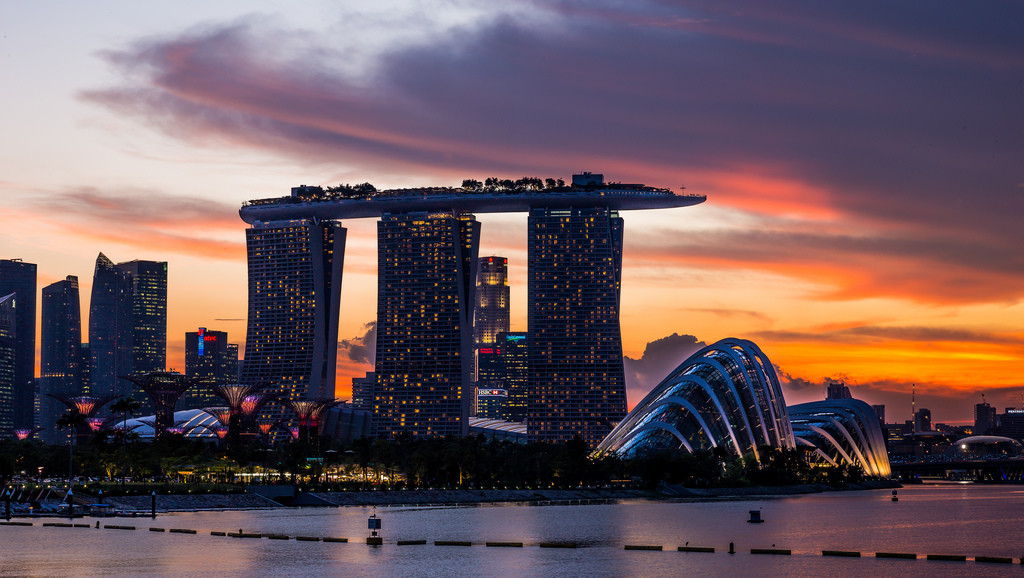
These developments ensure that Singapore remains a competitive and attractive place for professionals and families.
Anyone considering relocation should view this living in Singapore guide as a starting point for understanding the opportunities available in this dynamic city.
FAQ — Living in Singapore Guide
Is Singapore a good place to live for expats?
Yes, Singapore is considered one of the best cities for expatriates because of safety, career opportunities, modern infrastructure, and high living standards.
What salary is needed to live comfortably in Singapore?
The salary required depends on lifestyle and housing choices. Many professionals aim for salaries that comfortably cover rent, transportation, food, and savings.
Is healthcare expensive in Singapore?
Healthcare quality is excellent, but private treatment can be expensive. Health insurance is recommended for expatriates.
Can foreigners rent apartments in Singapore?
Yes, foreigners can rent apartments including private condominiums and some public housing units.
Is public transportation reliable in Singapore?
Public transportation is extremely reliable, clean, and efficient. Many residents rely on it daily.
How safe is Singapore for residents?
Singapore is one of the safest countries in the world with very low crime rates and strict law enforcement.
What are the best areas for expats to live in Singapore?
Popular expat areas usually include neighborhoods close to business districts, international schools, and transportation hubs.
Is English widely spoken in Singapore?
Yes, English is one of the main languages used in business, education, and daily communication.
Is food expensive in Singapore?
Food prices vary. Restaurants can be expensive, but local food courts offer affordable and delicious meals.
What should newcomers prepare before moving to Singapore?
New residents should plan housing, understand visa requirements, arrange health insurance, and research the cost of living before relocating.
Living in Singapore offers a unique blend of modern convenience, cultural diversity, and economic opportunity. By understanding the practical aspects covered in this living in Singapore guide, newcomers can adapt more quickly and enjoy everything the city has to offer.