Singapore’s Mass Rapid Transit system is one of the most efficient urban transportation networks in the world. For residents and visitors alike, understanding how the MRT works can save time, reduce travel costs, and make exploring the city far more convenient. This comprehensive Singapore MRT guide explains everything you need to know about the system, from routes and fares to travel tips and common mistakes people make when using the trains.
The MRT network connects major business districts, residential areas, shopping hubs, tourist attractions, and the airport. Clean stations, clear signs, and frequent train services make the system reliable even during peak hours. Whether you are commuting daily or visiting Singapore for the first time, knowing how to navigate the MRT system will make your travel experience smooth and stress-free.
Understanding the Singapore MRT System
The MRT network forms the backbone of Singapore’s public transportation system. Trains operate across several lines that cover nearly the entire island. Each line is color-coded and clearly marked on station maps, making it easier for passengers to navigate the network.
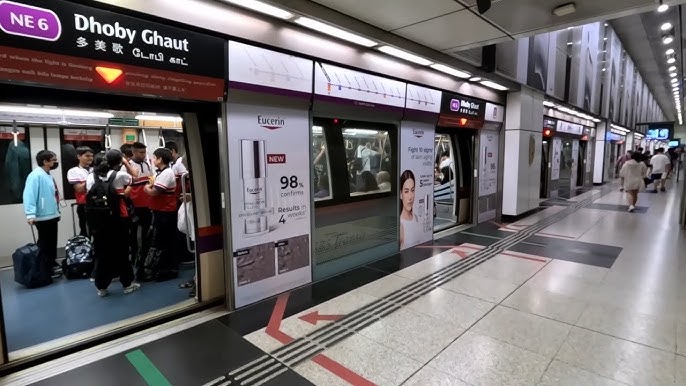
Stations are equipped with automated ticket gates, clear route maps, and digital displays showing the arrival time of the next train. The system is designed to be easy for both locals and international travelers.
Passengers can switch between different lines at interchange stations, allowing seamless travel across the city without leaving the MRT network. This connectivity makes the MRT one of the fastest ways to travel around Singapore.
Key Features of the Singapore MRT System
Some of the features that make the MRT system efficient include:
- Frequent train services throughout the day
- Well-maintained and clean stations
- Air-conditioned trains and platforms
- Clear station announcements in multiple languages
- Easy transfers between lines
- Integration with buses and other public transport options
These features make the MRT system suitable for daily commuting and sightseeing alike.
MRT Lines and Routes in Singapore
Understanding the different MRT lines is essential for navigating the city. Each line covers different regions and connects important locations.
North South Line
The North South Line runs from the northern parts of Singapore down to the city center and beyond. It connects residential areas with the central business district and several popular shopping districts.
East West Line
The East West Line stretches across the island from east to west. It is one of the most frequently used lines because it connects the airport area, business hubs, and many residential towns.
Downtown Line
The Downtown Line serves many commercial and residential areas while providing convenient access to the city center. It is commonly used by commuters traveling between outer districts and downtown Singapore.
Circle Line
The Circle Line runs in a loop around the central region of Singapore MRT. This line helps passengers travel between major areas without passing through the city center.
Thomson-East Coast Line
The Thomson-East Coast Line connects northern residential districts with the eastern coastal areas. It improves accessibility to new residential developments and coastal attractions.
How MRT Stations Are Organized
Each MRT station follows a standardized layout that helps passengers move efficiently.
Typical stations include:
- Entry gates with ticket scanners
- Ticket machines for purchasing travel cards or tickets
- Directional signs showing platform routes
- Platform screen doors for safety
- Digital displays showing train arrival times
Station maps are located near entrances and platforms so passengers can quickly plan their route.
Clear signage makes it easy to follow directions even if you are unfamiliar with the system.
MRT Fares and Payment Options
Traveling on the MRT is affordable compared to many other major cities. The fare system is based on distance traveled, meaning the longer your journey, the slightly higher the fare.
Common Payment Methods
Passengers can pay for MRT rides using several options:
- Stored value travel cards
- Contactless bank cards
- Mobile payment systems
- Single trip tickets
Stored value travel cards are the most popular option because they offer convenience and faster entry through ticket gates.
Estimated MRT Fare Range
Typical MRT fares are relatively low and vary depending on travel distance. Short trips cost less, while longer cross-island journeys cost slightly more.
Passengers can check their fare before boarding using ticket machines or station fare maps.
Using the MRT for Daily Commuting
For daily commuters, the MRT system offers a reliable way to travel across Singapore MRT.
Trains usually arrive every few minutes during peak hours and slightly less frequently during off-peak periods. The regular schedule helps commuters plan their journeys without long waiting times.
Morning and evening rush hours tend to be the busiest times. During these periods, trains may become crowded, especially near business districts.
Tips for MRT Commuters
Daily commuters often follow simple strategies to make their travel smoother:
- Avoid peak travel times when possible
- Stand on the correct side of escalators
- Allow passengers to exit trains before entering
- Move toward the center of the train to reduce congestion
Following these habits improves the overall commuting experience.
Singapore MRT Guide for Tourists
Visitors often rely on the MRT to explore Singapore’s famous districts and attractions. The network connects major landmarks, making it easy to travel between them quickly.
Many tourist destinations are located within walking distance of MRT stations. This allows visitors to move around the city without needing taxis or rental cars.
Traveling by MRT also offers a chance to experience Singapore MRT efficient urban infrastructure firsthand.
Why Tourists Prefer MRT
Travelers frequently choose the MRT system because it offers several advantages:
- Faster travel compared to road traffic
- Clear navigation and route maps
- Affordable fares
- Direct connections to major attractions
- Safe and clean environment
These benefits make the MRT ideal for exploring the city.
MRT Travel Cards and Ticket Options
Travel cards simplify travel because they allow passengers to tap in and out without purchasing tickets for every trip.
Stored value cards can be topped up at station machines, convenience stores, and ticket counters. This flexibility allows passengers to maintain enough balance for multiple journeys.
Tourists visiting Singapore MRT for a short period often choose travel passes that allow unlimited rides within a specific timeframe.
Benefits of Using Travel Cards
Using travel cards provides several advantages:
- Faster entry through gates
- No need to calculate fares for each journey
- Convenient top-up options
- Reduced waiting time at ticket machines
For frequent travelers, these cards are the most efficient payment method.
MRT Etiquette and Rules
The MRT system maintains strict guidelines to ensure comfort and safety for all passengers.
Passengers are expected to follow certain etiquette rules while traveling.
Common MRT Etiquette
Important etiquette practices include:
- Queueing before boarding trains
- Giving priority seats to elderly passengers and those with disabilities
- Avoiding loud conversations or phone calls
- Keeping personal belongings close to avoid blocking space
- Standing behind platform safety lines
Following these rules helps maintain a comfortable environment for everyone.
Safety Features of the MRT System
Safety is a major priority across the MRT network.
Stations and trains include several features designed to protect passengers.
Key Safety Measures
Some important safety elements include:
- Platform screen doors
- Surveillance cameras in stations and trains
- Emergency communication systems
- Security patrols
- Well-lit platforms and entrances
These measures contribute to the system’s reputation as one of the safest metro networks globally.
Navigating Interchange Stations
Interchange stations allow passengers to transfer between different MRT lines. These stations can be larger than standard stations because they connect multiple routes.
Clear directional signs guide passengers to the correct platforms when changing lines.
Tips for Changing Lines
To make transfers easier:
- Follow colored line indicators
- Check route maps before leaving the train
- Allow enough time for walking between platforms
- Pay attention to platform signs showing train destinations
These simple steps help passengers move through interchange stations efficiently.
Common Mistakes When Using the MRT
Many first-time passengers make small mistakes that can slow down their journey.
Understanding these mistakes can help travelers avoid unnecessary confusion.
Frequent MRT Travel Mistakes
Common mistakes include:
- Boarding the wrong train direction
- Forgetting to tap out at the exit gate
- Standing on the wrong side of escalators
- Blocking train doors during boarding
- Not checking interchange stations beforehand
Avoiding these issues makes traveling on the MRT smoother.
Future Expansion of the MRT Network
Singapore MRT continues to expand the MRT system to serve new residential areas and improve connectivity across the island.
New lines and extensions are being developed to reduce travel times and support population growth.
These developments will make public transport even more accessible in the coming years.
Expanded rail coverage also helps reduce road congestion and encourages environmentally friendly transportation.
Expert Tips for Navigating the MRT Efficiently
Experienced commuters often use simple techniques to save time when traveling on the MRT.
Smart Travel Strategies
Helpful strategies include:
- Downloading MRT route maps before traveling
- Planning routes during off-peak hours
- Standing near train doors for quick exits
- Checking the last train timing late at night
- Avoiding crowded carriages near station exits
These techniques help passengers move through the network more efficiently.
Why the MRT Is Essential for Singapore MRT
The MRT system plays a major role in supporting Singapore MRT economy and urban development.
Reliable public transport allows people to commute quickly between residential areas, business districts, and commercial centers.
It also reduces dependence on private vehicles, helping manage traffic congestion and lower environmental impact.
Because of its efficiency, the Singapore MRT system has become a model for urban rail networks worldwide.
Frequently Asked Questions
How easy is it to use the Singapore MRT for first-time visitors?
The Singapore MRT system is designed to be extremely user-friendly. Clear signage, color-coded lines, and station maps help visitors navigate the network easily.
What time does the MRT start operating?
Most MRT services begin early in the morning and run until around midnight. Exact timings may vary depending on the line and station.
Is the MRT safe at night?
Yes, the Singapore MRT is considered very safe. Stations are well-lit, monitored by security cameras, and regularly patrolled by staff.
Can tourists use MRT travel cards?
Yes, visitors can purchase travel cards or passes that allow convenient access to the Singapore MRT system throughout their stay.
How crowded are Singapore MRT trains?
Trains can become crowded during peak commuting hours, especially near business districts. Traveling outside peak hours usually provides a more comfortable experience.
Are food and drinks allowed on the Singapore MRT?
Eating and drinking are generally not permitted on trains or within station platforms to maintain cleanliness.
How do passengers transfer between Singapore MRT lines?
Passengers can change lines at interchange stations by following directional signs that guide them to the correct platforms.
What happens if someone misses the last train?
Passengers who miss the last train typically need to use buses, taxis, or ride-hailing services for late-night travel.
Can luggage be carried on the MRT?
Yes, luggage is allowed as long as it does not block aisles or inconvenience other passengers.
Is the MRT connected to other transport systems?
Yes, MRT stations are integrated with bus networks and other transport services, allowing easy transfers across Singapore’s public transportation system.