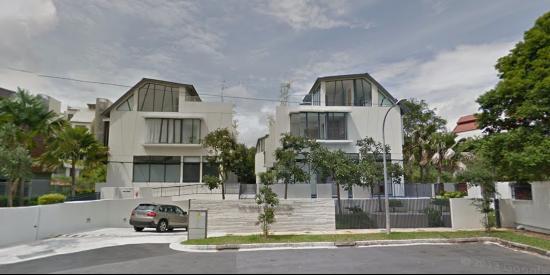
Mount Sinai Singapore refers to a quiet residential enclave centered around Mount Sinai Road, located near the western fringe of central Singapore. It sits within a highly strategic residential belt that connects Dover, Holland Village, and the Bukit Timah education corridor. Unlike high-density HDB clusters, this area is known for landed properties, low-rise condominiums, and a calm streetscape shaped by mature greenery and controlled development zoning.
Search intent around “Mount Sinai Singapore” typically falls into three categories: property buyers researching landed homes, families exploring proximity to schools and amenities, and urban researchers studying Singapore’s estate planning model. The estate reflects Singapore’s long-term urban design philosophy—balancing density with livability.
What makes this location stand out is not commercial intensity, but controlled exclusivity. Residents value privacy, proximity to education institutions, and easy access to major expressways like AYE and PIE. This guide breaks down the area’s geography, real estate profile, lifestyle ecosystem, and long-term investment relevance.
Geographic Positioning and Connectivity of Mount Sinai Singapore
Mount Sinai Singapore sits in a highly connected urban pocket between several key residential and academic districts. The area is minutes away from Holland Village, known for its dining and lifestyle scene, and close to the academic corridor stretching through Dover and one-north.
From a transport standpoint, residents benefit from access to the Ayer Rajah Expressway (AYE) and Pan-Island Expressway (PIE), which connect directly to the Central Business District and western innovation hubs like Jurong Lake District. This makes commuting efficient for professionals working in business, research, and education sectors.
Public transport options include nearby MRT stations such as Buona Vista and Dover, both of which link to the East-West Line and Circle Line. Bus networks further enhance micro-mobility within the area.
What stands out geographically is the estate’s buffer-zone character. It is not isolated, yet it avoids the congestion of commercial districts. This positioning makes Mount Sinai a transitional zone between high-density urban Singapore and quieter residential planning zones.
Residential Profile and Real Estate Landscape
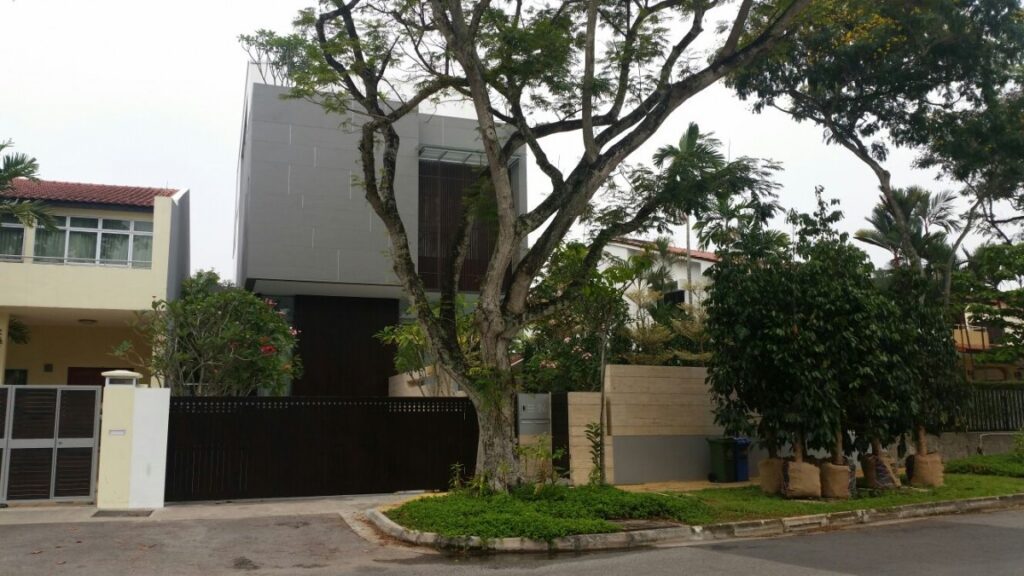
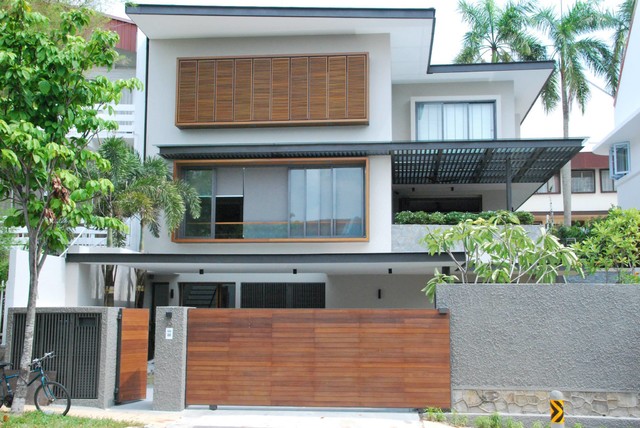
The housing profile of Mount Sinai Singapore is shaped primarily by landed properties, terrace homes, and select low-rise condominiums. This is a key differentiator compared to surrounding estates like Bukit Timah, which has more mixed-density housing patterns.
Real estate demand in this area is driven by scarcity. Landed homes in central-west Singapore are limited due to strict zoning controls and redevelopment restrictions. As a result, properties in Mount Sinai tend to maintain long-term value stability rather than speculative volatility.
Buyers are typically high-income families, expatriates, and long-term investors seeking privacy and space. Units here often prioritize land size, renovation potential, and school proximity over modern high-rise amenities.
Key market characteristics include:
- Limited supply of landed housing
- Strong rental demand from expatriate families
- Stable capital appreciation over long cycles
- High redevelopment constraints preserving neighborhood character
From an investment perspective, Mount Sinai represents a “slow-growth, high-stability” asset class within Singapore’s real estate ecosystem.
Lifestyle, Amenities, and Daily Living Experience
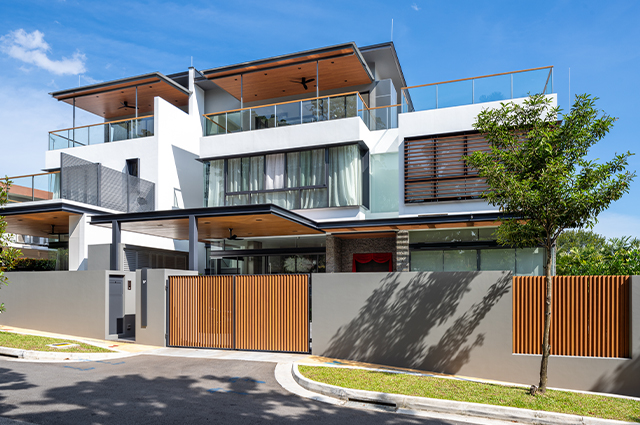
Living in Mount Sinai Singapore is defined by convenience without commercial overload. Residents rely on nearby lifestyle hubs rather than dense retail clusters within the estate itself. Holland Village serves as the primary social and dining destination, offering cafés, international cuisine, and nightlife options.
Educational access is a major lifestyle driver. The area is close to institutions such as the National University of Singapore (NUS), Anglo-Chinese School (Independent), and several international schools. This makes it particularly attractive to families prioritizing education continuity.
Healthcare access is also strong, with nearby facilities including National University Hospital and private clinics in the Bukit Timah and Holland areas.
Daily life here is shaped by:
- Quiet residential roads with low traffic density
- Green surroundings and mature tree coverage
- Short commuting distances to lifestyle hubs
- Strong school-network accessibility
Unlike dense urban zones, Mount Sinai prioritizes residential calmness over commercial convenience, which appeals to long-term residents.
Comparative Analysis: Mount Sinai vs Nearby Estates
| Feature | Mount Sinai Singapore | Holland Village | Bukit Timah |
|---|---|---|---|
| Housing Type | Landed + low-rise condos | High-density condos + mixed use | Luxury landed + condos |
| Lifestyle | Quiet residential | Vibrant nightlife & dining | Upscale residential + schools |
| Connectivity | Strong (AYE/PIE access) | Excellent MRT access | Strong but traffic-heavy |
| Noise Level | Low | Moderate to high | Low to moderate |
| Target Residents | Families, long-term owners | Young professionals | Affluent families |
This comparison highlights Mount Sinai’s positioning as a “balance zone”—offering central accessibility without the commercial intensity of Holland Village or the premium pricing pressure of core Bukit Timah.
Urban Planning and Development Context
Mount Sinai Singapore reflects Singapore’s controlled zoning strategy, where certain residential pockets are preserved to maintain low-density housing character. The estate has not undergone aggressive redevelopment, largely due to planning policies that protect residential stability and road infrastructure limits.
This makes it a valuable case study in urban sustainability. While nearby districts evolve rapidly with mixed-use developments, Mount Sinai retains its original residential identity. This creates long-term consistency in neighborhood aesthetics and property valuation patterns.
Urban planners often view such estates as “buffer residential zones” that absorb population demand without compromising livability standards in central regions.
Investment Perspective and Long-Term Value Outlook
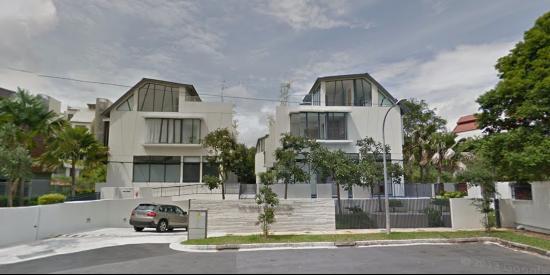
From an investment standpoint, Mount Sinai Singapore is not a high-volatility growth market. Instead, it represents a preservation-driven asset class. Demand is stable due to school proximity, central location, and scarcity of landed homes.
Key investment drivers include:
- Limited redevelopment supply
- Strong expatriate rental demand
- Proximity to education and research hubs
- Stable long-term capital appreciation
However, investors should also consider constraints such as low transaction volume and strict zoning regulations, which limit rapid price surges.
FAQ: Mount Sinai Singapore
Is Mount Sinai Singapore a good place to live?
Yes, especially for families and professionals who prefer quiet residential living with central access to schools and business districts.
What type of housing is available in Mount Sinai?
Mainly landed homes, terrace houses, and low-rise condominiums.
Is Mount Sinai close to MRT stations?
Yes, Buona Vista and Dover MRT stations are nearby, providing strong connectivity.
Why is Mount Sinai property expensive?
Limited supply, central location, and proximity to top schools drive long-term demand.
Is it suitable for investment?
Yes, but it is better suited for long-term capital preservation rather than short-term gains.