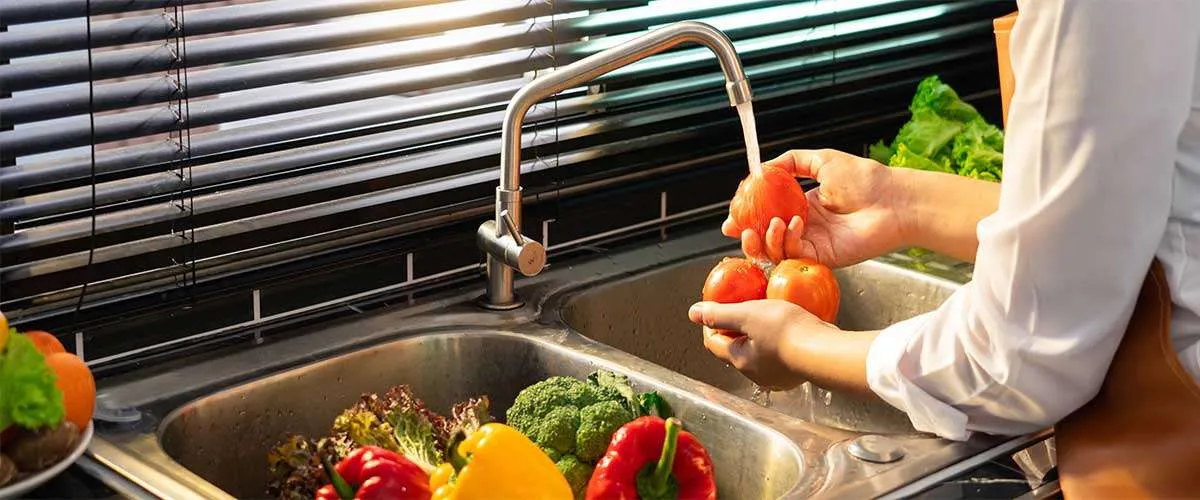
kitchen safety singapore in Singapore is shaped by unique living conditions such as compact HDB layouts, high-rise apartments, frequent use of gas or induction cooking, and humid climate conditions. These factors increase certain risks like fire hazards, slippery surfaces, mold growth, and electrical issues. A safe kitchen is not only about cleanliness but also about proper design, disciplined cooking habits, and awareness of emergency responses. Most household accidents occur due to small lapses such as unattended cooking, improper storage of flammable items, or cluttered countertops. Building a structured safety system helps reduce these risks significantly.
Core Kitchen Safety Principles Every Home Should Follow
kitchen safety singapore of kitchen safety can be broken into a few essential principles that apply to all types of households. First is separation of hazards, meaning raw food, cooked food, cleaning chemicals, and heat sources should never overlap. Second is visibility and accessibility, where all frequently used items should be easy to reach without creating clutter. Third is control of heat and flame, which includes monitoring stoves, ovens, and electrical appliances at all times. Fourth is hygiene discipline, ensuring surfaces are cleaned immediately after use to prevent bacterial growth. Fifth is emergency readiness, which includes knowing how to handle fire, burns, or gas leaks.
Fire Prevention and Heat Management Strategy
One of the biggest risks in Singapore kitchens is fire caused by unattended cooking or oil overheating. Oil fires can escalate within seconds, making prevention critical. Always maintain constant supervision when cooking with open flame or hot oil. Avoid placing flammable items such as paper towels, wooden utensils, or packaging near the stove. For households using gas stoves, regular inspection of hoses and connectors is necessary to detect leaks early. For induction cooktops, ensure that the surface is kept dry and clean to avoid electrical faults. Installing a small fire extinguisher or fire blanket within easy reach is highly recommended for immediate response.
Safe Cooking Practices for Daily Use

Safe cooking is built on habits rather than equipment alone. Always wash hands before and after handling raw ingredients to prevent cross-contamination. Use separate cutting boards for meat, vegetables, and cooked food. Maintain consistent cooking temperatures, especially for meat and poultry, to ensure harmful bacteria are destroyed. Avoid multitasking too heavily while cooking, as distractions are a leading cause of kitchen accidents. When boiling or frying, keep pot handles turned inward to prevent accidental knocking. Never leave food unattended, even for short periods, especially when using high heat.
Kitchen Layout and Design Safety Optimization
In Singapore homes where kitchen space is often limited, layout plays a critical role in safety. A well-designed kitchen follows the principle of workflow zoning, dividing areas into preparation, cooking, and cleaning zones. This reduces unnecessary movement and minimizes accidents. Keep sharp tools in dedicated drawers with safety locks if children are present. Ensure sufficient lighting above cooking and cutting areas to improve visibility. Ventilation is equally important; proper exhaust systems reduce smoke buildup and prevent overheating. Avoid overcrowding countertops as clutter increases the risk of spills and burns.
Electrical Appliance Safety Guidelines
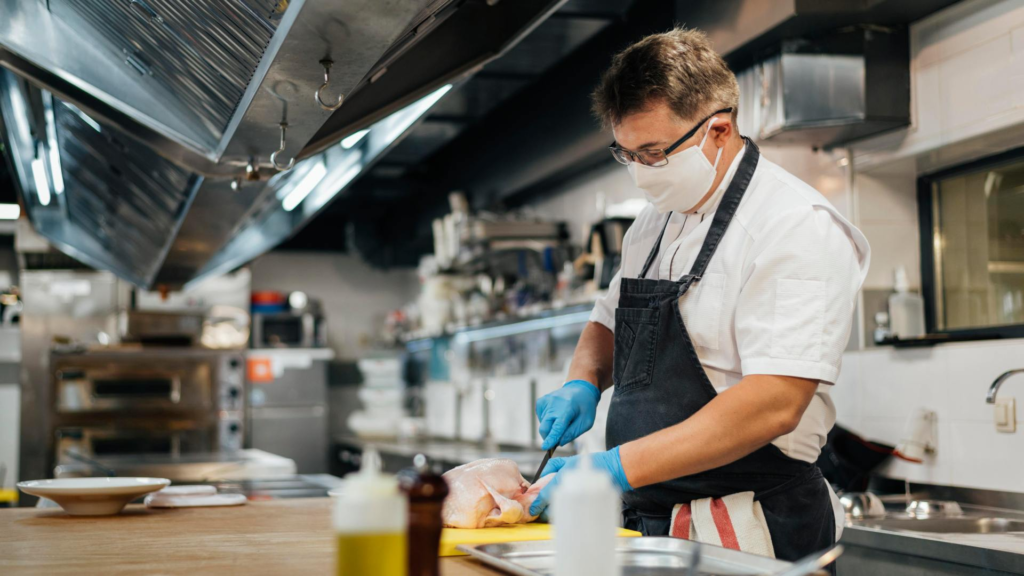
Modern kitchens rely heavily on appliances such as microwaves, rice cookers, air fryers, and kettles. Each device should be plugged into appropriate sockets with no overloading of extension cords. Regularly inspect wires for damage or wear. Avoid running multiple high-power appliances on the same circuit. Keep appliances away from water sources to prevent electrical shocks. Unplug devices when not in use for long periods. For appliances generating heat, ensure there is enough clearance around them to allow heat dissipation and prevent overheating.
Food Storage and Hygiene Control System
Proper storage is a key element of kitchen safety that directly affects health. Refrigerators should be maintained at appropriate temperatures to slow bacterial growth. Raw meat should always be stored on lower shelves to prevent dripping onto other foods. Dry goods must be kept in airtight containers to avoid contamination and pest infestation. Regularly check expiry dates and discard expired items immediately. Clean refrigerator interiors periodically to prevent odor buildup and bacterial spread. Maintain separation between cleaning chemicals and edible items at all times.
Child Safety and Family Protection Measures
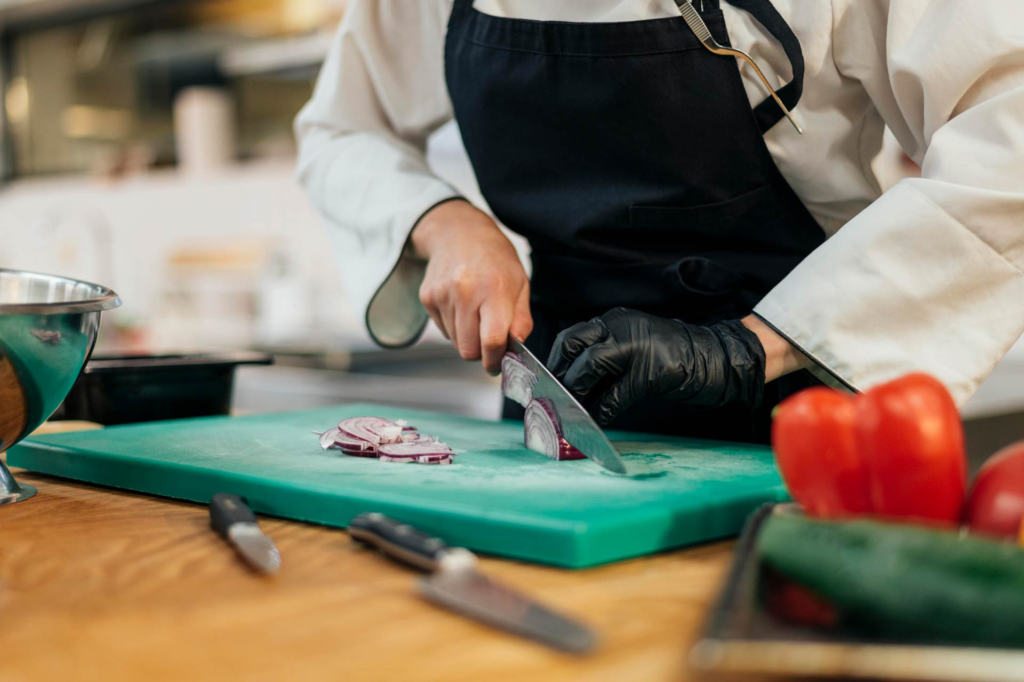
Families with children require additional safety layers. Knives, scissors, and sharp utensils should be stored in locked drawers or high cabinets. Stove guards can prevent children from reaching hot surfaces. Educate children about kitchen dangers early, such as not touching hot pots or electrical switches. Avoid letting children play near cooking areas during meal preparation. Install corner protectors on countertops if space is tight. Always supervise children in the kitchen, even during simple tasks.
Emergency Response and Accident Handling
Even with precautions, accidents can still occur, making emergency preparedness essential. In case of small grease fires, never use water; instead, cover the flame with a lid to cut off oxygen. For larger fires, use a fire extinguisher designed for kitchen use. In case of burns, immediately cool the affected area under running water for at least 10–15 minutes. For gas leaks, turn off the main supply, open windows for ventilation, and avoid using electrical switches. Keep emergency numbers accessible and ensure all household members are familiar with basic response steps.
Cleaning Practices That Improve Safety
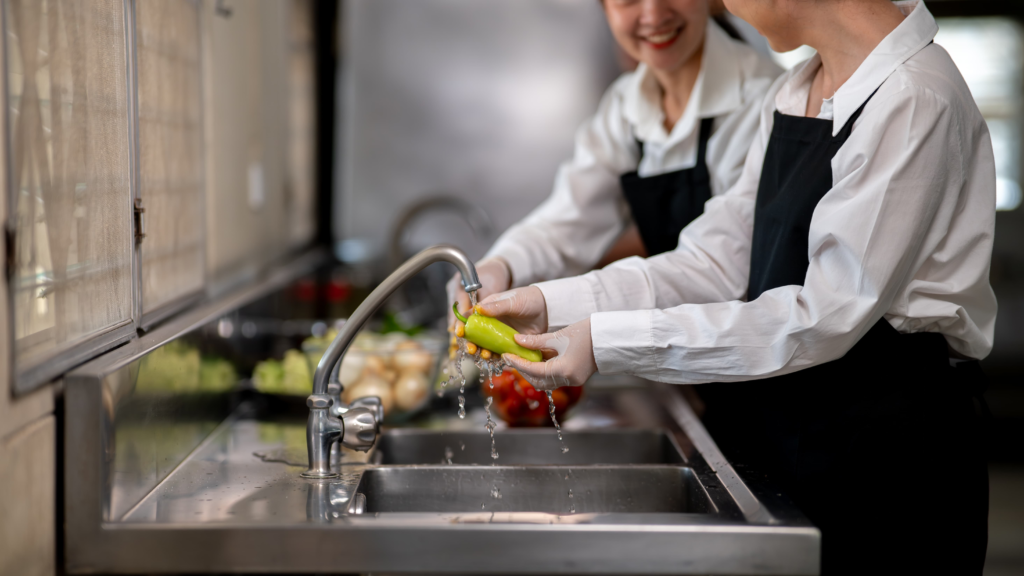
Cleaning is not just about hygiene but also hazard prevention. Grease buildup on stovetops can easily ignite if not cleaned regularly. Wipe surfaces immediately after cooking to prevent residue hardening. Clean spills quickly to avoid slipping accidents. Deep clean kitchen exhaust systems periodically to maintain airflow efficiency. Use non-toxic cleaning agents when possible to reduce chemical exposure. Ensure floors are dry before walking to prevent falls, especially in humid conditions.
Advanced Kitchen Safety Techniques for Modern Homes
Modern kitchens can benefit from advanced safety practices such as smart sensors that detect gas leaks or smoke. Temperature-controlled cooking appliances reduce the risk of overheating. Motion sensor lighting improves visibility during nighttime kitchen use. Some households also use automatic shut-off devices for stoves and ovens, which activate after prolonged inactivity. Installing water-resistant electrical outlets adds an extra layer of protection in wet environments. Regular safety audits of the kitchen help identify hidden risks before they become serious problems.
Building a Long-Term Kitchen Safety Routine
Sustaining kitchen safety requires consistency. Weekly checks should include appliance inspection, cleaning verification, and food inventory review. Monthly checks can focus on deeper cleaning and equipment maintenance. Seasonal checks should evaluate ventilation systems, fire safety tools, and storage organization. Creating a household checklist helps maintain discipline and ensures no safety aspect is overlooked. Over time, these routines become habits that significantly reduce accident risks.
Final Safety Mindset for Every Household
Kitchen safety is ultimately about awareness, discipline, and preparation. It is not dependent on one-time actions but on daily habits that reduce risk gradually. Whether cooking simple meals or preparing elaborate dishes, maintaining focus and following structured safety practices ensures a secure environment. A safe kitchen not only protects physical health but also creates peace of mind, allowing families to enjoy cooking without unnecessary worry.