singapore language guide is one of the most linguistically diverse countries in the world, but its language system is not random or chaotic. It is carefully structured around governance, education, commerce, and ethnic identity. The country officially recognizes four languages: English, Mandarin Chinese, Malay, and Tamil. However, what makes Singapore unique is not just the presence of multiple languages, but the way each language has a specific role in daily life. English acts as the main working language, Mandarin connects the majority Chinese population, Malay represents the national and historical identity, and Tamil serves the Indian community. This structure allows Singapore to maintain multicultural harmony while ensuring smooth communication in business and administration.
English as the Core Language of Daily Life and Progress
singapore language guide the most widely used language in Singapore’s public and professional life. It is the primary medium of instruction in schools, the main language of government communication, and the dominant language in corporate environments. This choice was made to create neutrality among ethnic groups and to connect Singapore to global trade and international markets. In daily life, English is used in offices, universities, transportation systems, and most formal interactions. However, Singaporean English is not identical to British or American English. It has evolved into a localized form influenced by other languages spoken in the country. This variation makes communication efficient but also culturally distinct.
Singlish: The Informal Language of Everyday Interaction
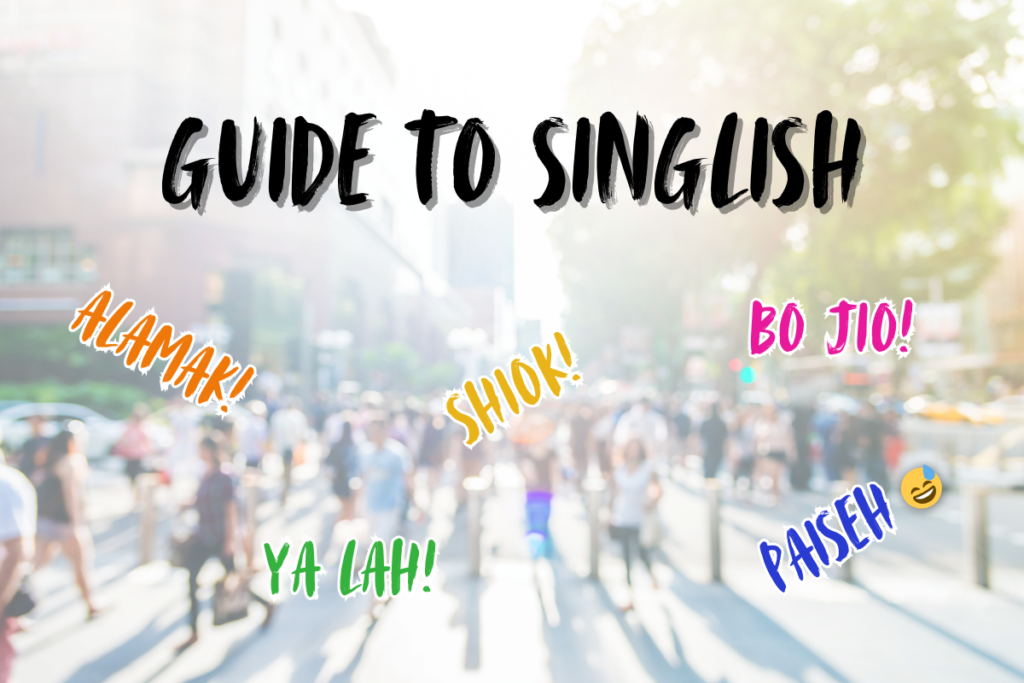
Singlish is a unique form of colloquial English that blends grammar, vocabulary, and expressions from Malay, Hokkien, Cantonese, and Tamil. It is not an official language but plays a strong role in social communication. In informal settings such as among friends, in hawker centres, or in casual conversations, Singlish is commonly used. It reflects identity, humor, and cultural belonging. Sentences in Singlish are often shorter and more expressive, such as adding particles like “lah,” “leh,” or “lor” to change tone and emotion. While authorities encourage the use of standard English in formal environments, Singlish remains deeply rooted in everyday speech and is widely understood by locals.
Mandarin Chinese and Its Cultural Significance
Mandarin is one of the official languages and is widely spoken among the Chinese community, which forms the majority of Singapore’s population. It is used in cultural activities, traditional media, and Chinese-language schools. Over the years, Mandarin has been promoted through government campaigns to unify different Chinese dialect groups under a common language. However, older dialects such as Hokkien, Teochew, and Cantonese still exist in informal speech, especially among older generations. Mandarin in Singapore also differs slightly from mainland China due to local pronunciation influences and vocabulary integration from English and Malay.
Malay as the National Language and Symbol of Heritage
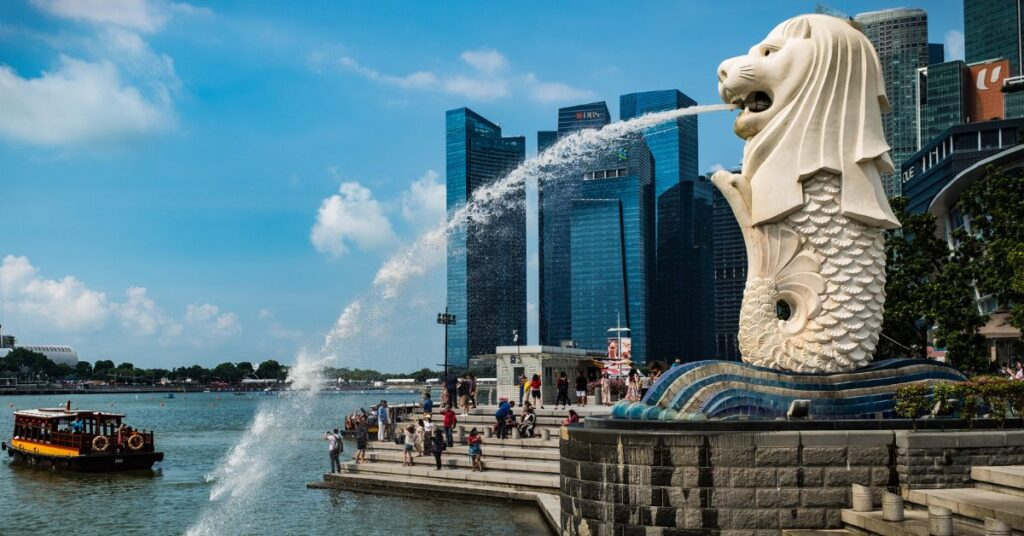
Malay holds a special position as Singapore’s national language, even though it is not the most widely spoken. It is used in the national anthem, military commands, and ceremonial functions. Historically, Malay was the lingua franca of the region before modern Singapore developed into a global city. Today, it represents cultural heritage and regional identity. In everyday life, Malay is spoken within the Malay community and is also understood in mixed social environments due to Singapore’s multicultural interactions. It remains an important symbol of national unity despite its smaller number of speakers.
Tamil Language and the Indian Community Connection
Tamil is the official language representing Singapore’s Indian community. It is used in schools, religious institutions, cultural events, and Tamil media channels. Tamil has a long history in Singapore due to migration from South India during the colonial period. While it is not as widely spoken as English or Mandarin, it plays a crucial role in preserving cultural identity. Tamil signage and media are visible in public spaces, and efforts continue to support language retention among younger generations. Many Indian Singaporeans also speak English as their primary language while maintaining Tamil as a cultural link.
Language Use in Different Real-Life Environments

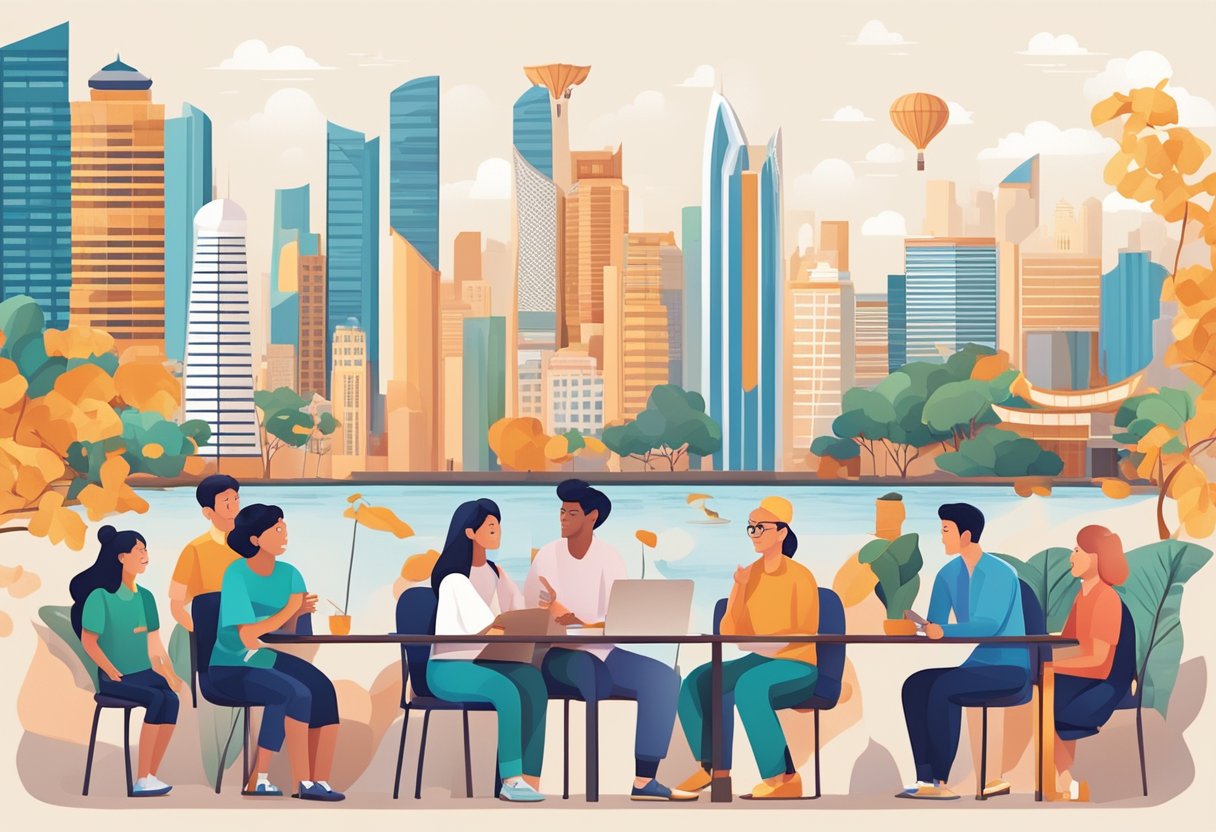
Language usage in Singapore changes depending on location and situation. In business environments, English dominates almost completely, ensuring smooth communication among multinational teams. In government offices and legal systems, formal English is strictly used. In neighborhoods and local markets, a mix of English, Mandarin, and Singlish can be heard depending on the community. Hawker centres are particularly interesting linguistic spaces where multiple languages blend naturally in a single conversation. Public transportation announcements are made in English and often supported by other official languages, ensuring inclusivity for all residents.
Education System and Language Development Strategy
Singapore’s education system plays a major role in shaping language skills. English is the primary medium of instruction in schools, while students are also required to learn a “Mother Tongue” language based on their ethnic background, such as Mandarin, Malay, or Tamil. This bilingual policy ensures that students are globally competitive while maintaining cultural roots. Over time, this system has produced a population that is highly fluent in English while still preserving multilingual abilities. Language education also emphasizes communication skills, making Singaporeans adaptable in international environments.
Code-Switching and Natural Language Mixing
One of the most interesting linguistic behaviors in Singapore is code-switching, where speakers switch between languages or dialects within a single conversation. For example, a person may begin a sentence in English, insert Mandarin words for emphasis, and end with a Singlish expression. This mixing is not seen as incorrect in informal settings but rather as a natural communication style. Code-switching reflects the multicultural environment and allows speakers to express meaning more precisely depending on context, emotion, or audience.
Language and Identity in Modern Singapore Society
Language in Singapore is not only a communication tool but also a marker of identity. English often represents education, professionalism, and global connection. Mandarin, Malay, and Tamil represent cultural heritage and ethnic belonging. Singlish represents local identity and social unity across different communities. This layered language identity allows Singaporeans to shift between different cultural expressions depending on context. It also creates a unique national identity that is both global and deeply local at the same time.
Common Misconceptions About Language in Singapore
Many outsiders assume that Singapore is an English-only country, but this is not accurate. While English is dominant in official and business settings, multilingualism is a core part of daily life. Another misconception is that Singlish is a broken form of English, when in reality it is a structured informal dialect with its own grammar rules. Some also believe that Mandarin is universally spoken among Chinese Singaporeans, but language use varies significantly across generations, with younger individuals often preferring English as their primary language.
Practical Language Tips for Visitors and New Residents
For tourists, English is generally sufficient for communication in hotels, transportation, and tourist attractions. However, learning a few basic phrases in Mandarin or Malay can enhance interactions in local settings. Understanding Singlish expressions can also help in informal conversations and improve social connection. For new residents, adapting to Singapore’s multilingual environment involves exposure to different accents, speech styles, and cultural expressions. Listening and observation play an important role in developing communication confidence.
Evolution of Language in a Globalized Singapore
Singapore’s language system continues to evolve due to globalization, migration, and digital communication. English is becoming even more dominant among younger generations, while efforts are ongoing to preserve Mandarin, Malay, and Tamil. Social media and online communication have also influenced language trends, introducing new slang and hybrid expressions. Despite these changes, Singapore maintains a stable multilingual framework that balances modernization with cultural preservation.
Conclusion: A Unique Linguistic Ecosystem Built on Balance and Diversity
Singapore’s language landscape is not defined by a single dominant tongue but by a carefully balanced multilingual system. English ensures global connectivity, Mandarin, Malay, and Tamil preserve cultural identity, and Singlish reflects everyday local life. The interaction between these languages creates a dynamic communication environment that is both practical and culturally rich. Understanding this system provides deeper insight into how Singapore functions as a society where diversity is not just present but structurally integrated into daily life.