The Singapore healthcare system is widely recognized as one of the most efficient and high-performing systems in the world. It combines quality care, advanced infrastructure, and a unique financing model that balances personal responsibility with government support. Whether you are a resident, expatriate, or someone researching global healthcare models, understanding the Singapore healthcare system provides valuable insights into how modern healthcare can be both affordable and effective.
This comprehensive guide explores how the Singapore healthcare system works, its structure, costs, insurance schemes, and why it consistently ranks among the best globally.
Understanding the Singapore Healthcare System
The Singapore healthcare system operates on a mixed financing model that combines public and private healthcare services. The government plays a strong regulatory role while encouraging individual responsibility through mandatory savings and insurance schemes.
Key Features of the System
- Universal access to basic healthcare
- Strong government regulation
- High-quality medical infrastructure
- Affordable healthcare services
- Focus on preventive care
The system is designed to ensure that every citizen can access essential medical services without facing financial hardship.
Structure of Healthcare in Singapore
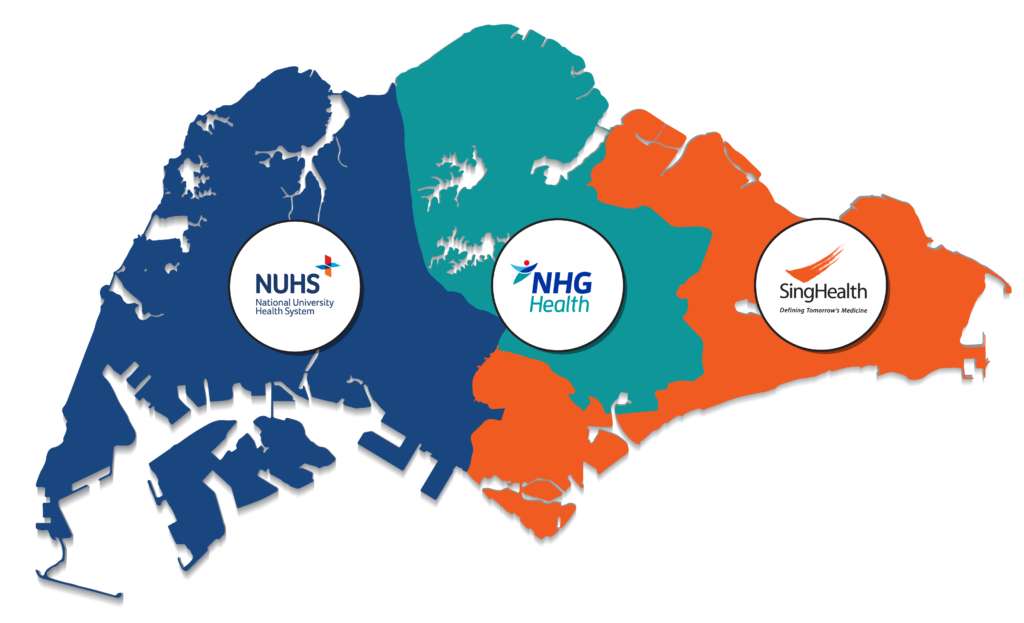
The Singapore healthcare system is divided into three main components: public healthcare, private healthcare, and community care services.
Public Healthcare System
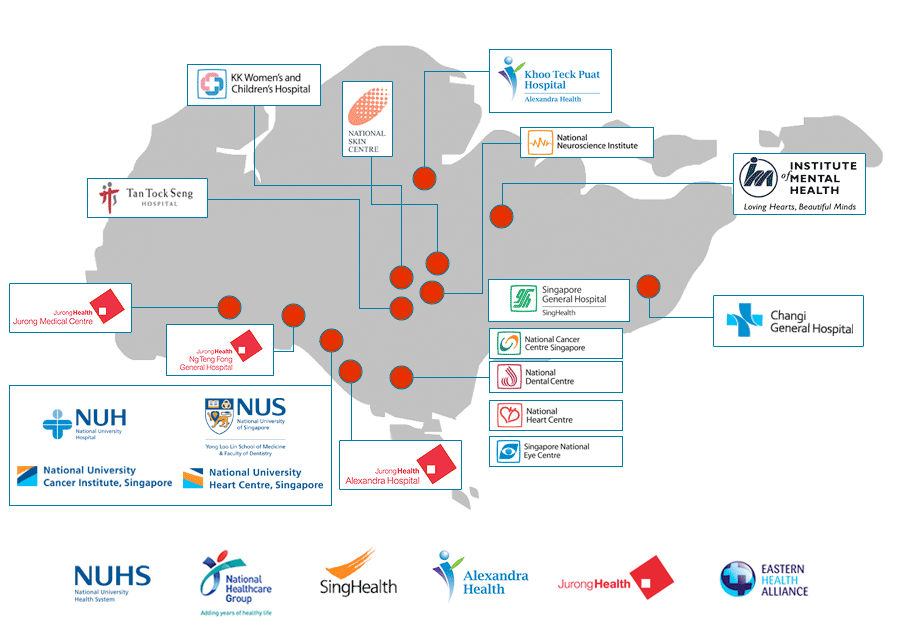
Public healthcare facilities form the backbone of the Singapore healthcare system. These include government-funded hospitals, polyclinics, and specialty centers.

Advantages of Public Healthcare
- Subsidized treatment costs
- High-quality medical care
- Access to specialized services
- Well-trained healthcare professionals
Public hospitals are known for their efficiency and advanced technology, making them a preferred choice for many residents.
Private Healthcare Sector
The private sector complements the public system by offering faster services and more personalized care.
Benefits of Private Healthcare
- Shorter waiting times
- Greater flexibility in choosing doctors
- Premium facilities and comfort
However, private healthcare services are generally more expensive compared to public options.
Community and Long-Term Care
Community healthcare services focus on elderly care, rehabilitation, and chronic disease management.
Services Include
- Nursing homes
- Home care services
- Day rehabilitation centers
- Palliative care
This aspect of the Singapore healthcare system ensures continuity of care beyond hospitals.
Healthcare Financing in Singapore
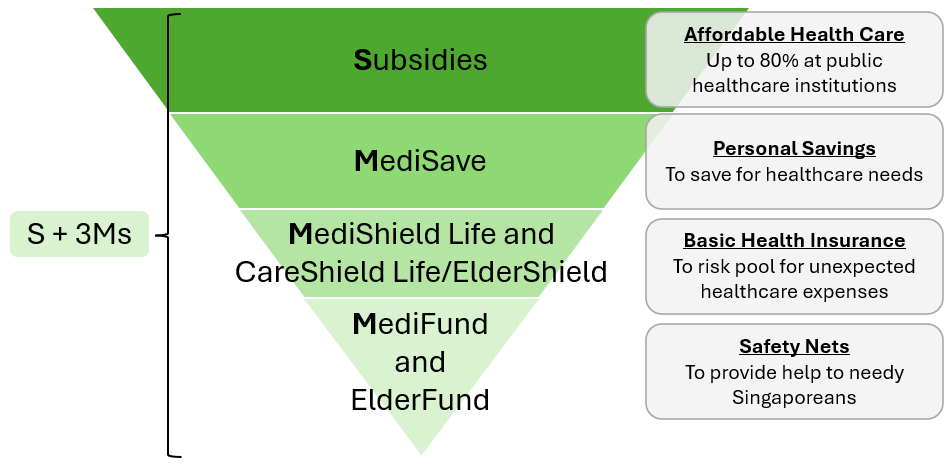
One of the most unique aspects of the Singapore healthcare system is its financing structure, which is based on a combination of savings, insurance, and government subsidies.
Medisave
Medisave is a mandatory medical savings account where individuals set aside a portion of their income for healthcare expenses.
What Medisave Covers
- Hospitalization costs
- Day surgeries
- Certain outpatient treatments
This system promotes personal responsibility while ensuring funds are available when needed.
Medishield Life
Medishield Life is a basic health insurance plan that covers large hospital bills and selected costly outpatient treatments.
Key Features
- Lifetime coverage
- Coverage for all citizens
- Protection against high medical costs
Medifund
Medifund acts as a safety net for individuals who cannot afford medical expenses even after subsidies and insurance.
Purpose of Medifund
- Support low-income individuals
- Ensure no one is denied care
- Provide financial assistance for essential treatments
Cost of Healthcare in Singapore
Healthcare costs in Singapore’s healthcare system vary by facility type and level of care.
Factors Affecting Costs
- Public vs private hospitals
- Ward type (subsidized or private)
- Type of treatment
- Specialist consultations
Cost Comparison
- Public hospitals: Lower cost due to subsidies
- Private hospitals: Higher cost but faster service
Despite being a high-income country, Singapore manages to keep healthcare relatively affordable through subsidies and structured financing.
Quality of Healthcare Services
The Singapore healthcare system is known for delivering world-class medical care. Hospitals are equipped with modern technology, and healthcare professionals are highly trained.
Reasons for High Quality
- Strict government regulations
- Continuous investment in technology
- Skilled medical workforce
- Strong focus on patient safety
Healthcare Outcomes
Singapore consistently reports:
- Low infant mortality rates
- High life expectancy
- Effective disease control
These outcomes highlight the strength of the system.
Accessibility and Efficiency
Accessibility is a key strength of the Singapore healthcare system. Patients can easily access primary care through polyclinics and general practitioners.
Efficient Healthcare Delivery
- Short waiting times in private sector
- Organized referral system
- Digital health records
- Integrated care services
The system ensures that patients receive timely and appropriate treatment.
Preventive Healthcare in Singapore
Preventive care plays a major role in the Singapore healthcare system. The government actively promotes healthy living and early detection of diseases.
Preventive Initiatives
- Regular health screenings
- Vaccination programs
- Public health campaigns
- Lifestyle management programs
These initiatives help reduce long-term healthcare costs and improve overall population health.
Role of Technology in Healthcare
Technology is deeply integrated into the Singapore healthcare system, improving both efficiency and patient outcomes.
Key Technological Advancements
- Electronic medical records
- Telemedicine services
- AI-assisted diagnostics
- Smart hospital systems
Digital transformation has made healthcare more accessible and efficient.
Health Insurance Options
In addition to government schemes, individuals can opt for private health insurance to enhance coverage.
Types of Insurance
- Integrated Shield Plans
- Private health insurance
- Employer-provided coverage
These options provide additional flexibility and access to private healthcare services.
Advantages of the Singapore Healthcare System
The Singapore healthcare system stands out globally due to its balanced approach.
Major Benefits
- Affordable healthcare services
- High-quality medical care
- Strong government support
- Efficient system management
- Emphasis on prevention
Challenges in the System
Despite its strengths, the Singapore healthcare system faces certain challenges.
Common Challenges
- Rising healthcare costs
- Aging population
- Increasing demand for services
- Pressure on public hospitals
Efforts are continuously made to address these issues through policy updates and innovation.
Tips for Navigating the Singapore Healthcare System
Understanding how to use the Singapore healthcare system effectively can save time and money.
Practical Tips
- Choose public hospitals for lower costs
- Use Medisave wisely
- Consider additional insurance coverage
- Schedule regular health screenings
- Understand subsidy eligibility
Common Mistakes to Avoid
Many people misunderstand how the Singapore healthcare system works. Avoid these common errors:
- Ignoring insurance coverage options
- Choosing private care without understanding costs
- Not using preventive services
- Delaying medical treatment
Being informed helps in making better healthcare decisions.
Future of Healthcare in Singapore
The Singapore healthcare system continues to evolve to meet future demands.
Future Developments
- Expansion of healthcare facilities
- Increased focus on digital health
- Improved elderly care services
- Enhanced preventive programs
The goal is to maintain high standards while managing costs effectively.
FAQ About Singapore Healthcare System
How does the Singapore healthcare system work?
The Singapore healthcare system operates through a combination of government subsidies, mandatory savings, and insurance schemes to ensure affordable and accessible healthcare.
Is healthcare free in Singapore?
Healthcare is not entirely free, but government subsidies and schemes make it highly affordable for citizens.
What is Medisave in Singapore?
Medisave is a compulsory savings account used to pay for medical expenses such as hospitalization and treatments.
Are public hospitals better than private hospitals?
Public hospitals are more affordable, while private hospitals offer faster services and greater comfort.
Can foreigners use the Singapore healthcare system?
Yes, foreigners can access healthcare services, but they usually pay higher costs compared to citizens.
Why is the Singapore healthcare system so successful?
Its success comes from efficient management, strong government policies, and a focus on preventive care.
Is health insurance mandatory in Singapore?
Basic coverage like Medishield Life is mandatory for citizens, while additional insurance is optional.
How expensive is healthcare in Singapore?
Costs vary depending on the type of care and facility, but subsidies help reduce expenses significantly.
What are the main components of healthcare financing?
The system is based on Medisave, Medishield Life, and Medifund.
Does Singapore focus on preventive healthcare?
Yes, preventive care is a key pillar, with regular screenings and public health campaigns.
Conclusion
The Singapore healthcare system is a global benchmark for efficiency, affordability, and quality. By combining public and private healthcare, strong government oversight, and innovative financing models, Singapore has created a system that effectively meets the needs of its population.
Its emphasis on preventive care, technological advancement, and financial sustainability ensures that it remains one of the best healthcare systems in the world. For anyone studying healthcare models or planning to access medical services in Singapore, understanding this system provides valuable insight into how healthcare can be both accessible and high-quality.