If you’ve ever been part of a Chinese New Year gathering in Singapore or anywhere in Southeast Asia, you’ve probably seen a colorful, chaotic, and oddly joyful dish being tossed into the air while everyone shouts wishes of prosperity. That dish is all about lo hei ingredients, and honestly, it’s not just food—it’s a whole experience.
The first time you see lo hei ingredients laid out on a table, it can feel overwhelming. Bright vegetables, glossy sauces, raw fish slices, crunchy bits everywhere… it doesn’t look like a typical salad at all. But there’s something special behind it. Every single element of lo hei ingredients carries meaning—luck, prosperity, growth, happiness. People don’t just eat it; they “toss” it together, symbolizing a better year ahead.
In this guide, we’re diving deep into lo hei ingredients, breaking down what they are, why they matter, how they’re used, and even how you can prepare them at home. Whether you’re looking for authentic lo hei ingredients Singapore style, or you just want to understand the symbolism behind lo hei salad ingredients, you’re in the right place.
And yes, we’ll go way beyond the basics. We’ll explore variations, substitutions, halal and vegetarian options, sauces, crunch toppings, and even mistakes people make when preparing lo hei ingredients.
By the end, you won’t just understand lo hei ingredients—you’ll actually feel confident putting together your own version.
What Are Lo Hei Ingredients?
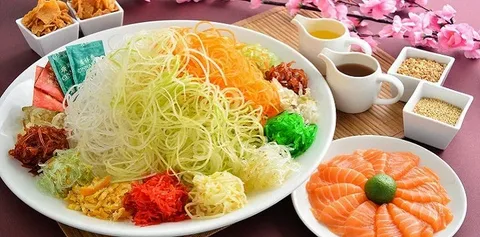
To really understand lo hei ingredients, you need to stop thinking of them as just a salad mix. They’re more like a symbolic dish built from layers of meaning, texture, and tradition. In simple terms, lo hei ingredients refer to the collection of raw vegetables, fish, sauces, and toppings used to create the traditional Chinese New Year dish known as “Yusheng” or “Prosperity Toss.”
At its core, lo hei ingredients include shredded vegetables like carrots, radish, cucumber, and sometimes pickled ginger. Then there’s the fish—usually raw salmon in modern versions, although traditional versions used different types of fish depending on region. The dish is finished with sesame seeds, crushed peanuts, crispy crackers, plum sauce, and a sweet-savory dressing.
But what makes lo hei ingredients truly special isn’t just the food itself—it’s the meaning behind each item. For example, shredded carrots often symbolize good luck, while radish represents growth and success. Even the act of mixing lo hei ingredients together is symbolic—it represents unity, progress, and the idea of “rising higher” in life.
When people talk about authentic lo hei ingredients Singapore style, they’re usually referring to the modern version served during Chinese New Year gatherings in restaurants and homes across Singapore and Malaysia. Over time, the dish has evolved, and now you’ll even find vegetarian lo hei ingredients, halal versions, and fusion-style interpretations.
The phrase lo hei ingredients list has become popular because people are increasingly curious about what actually goes into the dish. And honestly, once you break it down, it’s not complicated—it’s just layered with meaning.
So when you see lo hei ingredients being tossed into the air with chopsticks flying everywhere, remember—it’s not just food. It’s a ritual, a wish, and a celebration all in one messy, beautiful moment.
Why Lo Hei Ingredients Matter (Benefits & Meaning)
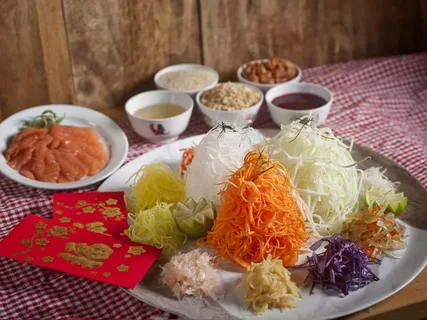
The importance of lo hei ingredients goes far beyond taste. In fact, many people don’t even focus on flavor first—they focus on symbolism. Each ingredient in lo hei ingredients meaning prosperity plays a role in attracting good fortune, success, and happiness for the coming year.
One of the biggest reasons lo hei ingredients are so meaningful is because they bring people together. During Chinese New Year, families, colleagues, and friends gather around a large plate of ingredients and toss everything together while shouting auspicious phrases. It’s loud, fun, and a little chaotic—but that’s the point. It symbolizes unity and shared blessings.
Another benefit of lo hei ingredients is their balance. You get crunch from vegetables, richness from sauce, freshness from fish, and sweetness from dressings. Even though it’s not a traditional cooked meal, it still feels complete. That’s why lo hei salad ingredients are often described as refreshing yet festive.
Health-wise, many modern versions of lo hei ingredients are surprisingly light. You’ve got raw vegetables, lean fish like salmon, and minimal frying. Of course, sauces and crackers add calories, but compared to heavy festive meals, lo hei ingredients calories are relatively moderate when portioned properly.
There’s also flexibility. You can adjust lo hei ingredients based on dietary needs. Want vegetarian lo hei ingredients? Just skip the fish. Need halal lo hei ingredients? Use certified ingredients and sauces. Want something more modern? Add fruits or nuts.
But perhaps the biggest benefit is emotional. Lo hei ingredients represent hope. Every toss is like saying, “May this year be better than the last.” And honestly, in a world that often feels rushed, that moment of shared intention matters more than people realize.
Types and Variations of Lo Hei Ingredients
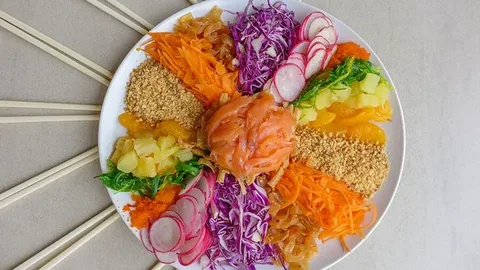
When you start exploring lo hei ingredients, you quickly realize there isn’t just one fixed version. Instead, there are many variations depending on culture, region, and personal preference. This flexibility is one of the reasons lo hei ingredients have stayed popular for so long.
The traditional version includes raw fish, shredded vegetables, and a sweet plum sauce dressing. This is what most people recognize as authentic lo hei ingredients Singapore style. However, even within this version, there are small differences in how restaurants prepare the dish.
Then you have vegetarian lo hei ingredients, which remove fish completely and often replace it with mushrooms, tofu, or additional vegetables. This version has become extremely popular in recent years as more people look for plant-based options.
Halal lo hei ingredients are another variation, especially important in multicultural regions. These versions ensure all sauces and toppings comply with halal standards while maintaining the traditional flavor and experience.
There are also modern fusion versions of lo hei ingredients. Some include fruits like mango or pomegranate, while others add crispy noodles or even seafood variations beyond fish. These creative interpretations show how adaptable lo hei ingredients really are.
Another interesting variation is the lo hei ingredients sauce blend. Some recipes focus heavily on plum sauce, while others mix sesame oil, lime juice, and even honey for a more balanced flavor.
No matter the variation, the core idea remains the same: lo hei ingredients are about symbolism, sharing, and celebration. Whether simple or elaborate, each version still carries the same festive energy.
How Lo Hei Ingredients Work (Preparation & Process)
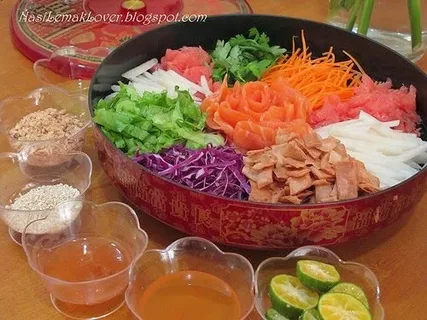
Preparing lo hei ingredients is not complicated, but it does require a bit of attention to detail. The process is part cooking, part assembly, and part ritual.
First, all lo hei ingredients are prepared separately. Vegetables are shredded finely—carrots, radish, cucumber, and sometimes jicama. Fish is sliced thinly if included. Crunchy toppings like peanuts, sesame seeds, and crackers are prepared in small bowls.
Next comes the arrangement. Lo hei ingredients are carefully placed on a large plate in separate sections. This is important because presentation is part of the tradition. Each color and texture should be visible before mixing.
Then comes the sauce. The lo hei ingredients sesame oil plum sauce mixture is usually poured in a circular motion over the dish. This step often comes with blessings or wishes spoken aloud.
Finally, the most iconic step: tossing. Everyone gathers around and uses chopsticks to lift and mix the lo hei ingredients together while saying auspicious phrases like “huat ah!” which means prosperity.
This process transforms lo hei ingredients from a simple dish into a shared cultural moment. It’s messy, loud, and joyful—but that’s exactly what makes it unforgettable.
Best Examples and Ingredient Combinations
When it comes to creating the perfect lo hei ingredients combination, balance is everything. A good mix should include freshness, crunch, sweetness, and richness all in one plate.
A classic combination includes shredded carrots, white radish, cucumber, raw salmon, sesame seeds, crushed peanuts, and plum sauce. This is often considered the gold standard for lo hei ingredients salad preparation guide.
For vegetarian versions, mushrooms, tofu strips, and seaweed are commonly used instead of fish. These lo hei ingredients substitutes still maintain texture and flavor without compromising tradition.
Some modern versions include fruit-based lo hei ingredients like mango or pineapple, adding a sweet twist to the dish. Others experiment with crispy noodles for extra crunch.
The key is not overcomplicating it. Lo hei ingredients work best when each component has space to shine.Comparison: Lo Hei vs Other Celebration Dishes
Unlike heavy festive meals, lo hei ingredients focus on freshness and symbolism. While dishes like dumplings or roasted meats are about richness and cooking technique, lo hei ingredients are about interaction and meaning.
Another difference is participation. Most dishes are served and eaten, but lo hei ingredients require everyone to take part in mixing and blessing.
Expert Tips for Better Lo Hei Ingredients
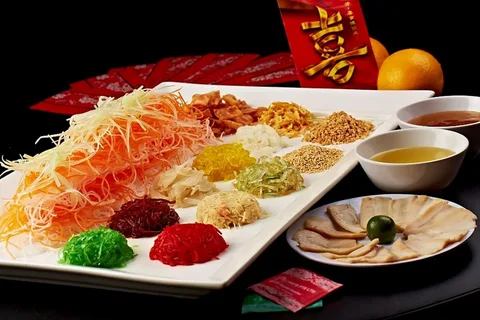
- Always cut vegetables finely for better texture
- Use fresh fish if included
- Balance sweet and savory in sauce
- Don’t overload ingredients
- Focus on presentation before mixing
Common Mistakes to Avoid
- Using too much sauce
- Skipping symbolic ingredients
- Overmixing before tossing
- Using stale vegetables
- Ignoring balance of textures
FAQs
1. What are lo hei ingredients made of?
They include vegetables, fish, sauces, and crunchy toppings.
2. Are lo hei ingredients healthy?
Yes, especially when made with fresh vegetables and light sauce.
3. Can I make vegetarian lo hei ingredients?
Yes, just replace fish with tofu or mushrooms.
4. What is the meaning of lo hei ingredients?
They symbolize prosperity, growth, and unity.
5. Where can I find authentic lo hei ingredients?
They are commonly available in Asian supermarkets or restaurants during Chinese New Year.
Conclusion
At the end of the day, lo hei ingredients are more than just a festive dish—they’re a tradition that connects people through food, symbolism, and shared wishes. Whether you’re exploring authentic lo hei ingredients Singapore style or trying a simple home version, the essence remains the same.
It’s about gathering, laughing, and hoping for something better. Every ingredient has meaning, every toss carries intention, and every bite reflects celebration.
So next time you see lo hei ingredients on a table, don’t just think of it as food. Think of it as a moment—a messy, meaningful, joyful moment that brings people together.
If you’re planning to try it yourself, start simple, keep it balanced, and enjoy the process. And who knows… maybe your next bowl of lo hei ingredients will bring a little extra luck your way.