humidity control singapore home climate like Singapore means dealing with consistently high humidity levels throughout the year. Outdoor relative humidity often stays between 70% and 90%, and this naturally affects indoor environments. When moisture enters the home and has no proper exit path, it builds up in the air, furniture, fabrics, and even walls.
High indoor humidity is not just about discomfort. It directly influences mold growth, dust mite activity, odor formation, and long-term damage to household materials. Wood swells, paint starts peeling, and electronic appliances may degrade faster due to moisture exposure.
A key technical point often overlooked is that humidity is not just “wet air.” It is the amount of water vapor held in the air relative to temperature. Warm air holds more moisture, which is why Singapore homes often feel sticky even when there is no visible water present.
Ideal Indoor Humidity Range for Comfort and Health
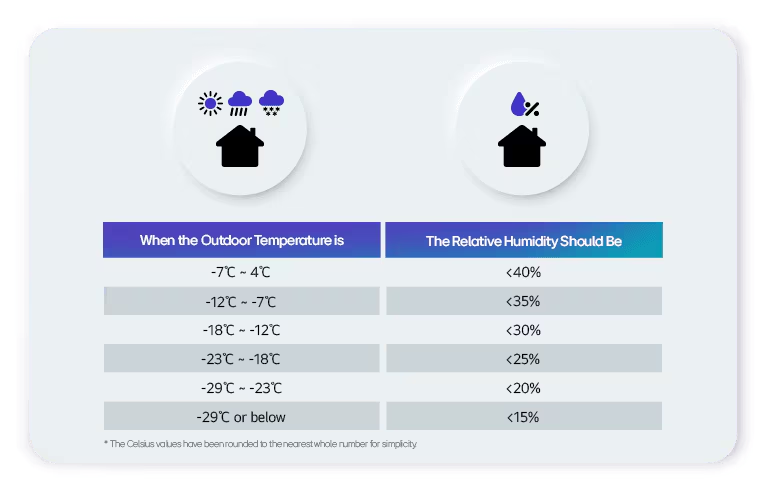
humidity control singapore homel environments, the ideal indoor humidity control singapore home range sits between 45% and 55%. When levels exceed 60%, the risk of mold growth increases significantly. Below 40%, air becomes too dry, which can cause skin irritation and respiratory discomfort, although this is less common in Singapore.
Maintaining this balance is not about using a single solution but combining multiple methods that control both moisture entry and moisture retention.
A stable humidity range also improves sleep quality, reduces allergen activity, and helps maintain furniture durability over time.
Major Causes of High Indoor Humidity in Singapore Homes
Understanding the root causes helps in designing an effective control system.
Continuous Outdoor Moisture Infiltration
Due to Singapore’s climate, humid air constantly enters homes through open windows, ventilation gaps, and door openings. Even air-conditioned environments can gradually accumulate moisture if fresh air exchange is not managed properly.
Poor Air Circulation
Many HDB flats and apartments have limited cross-ventilation. Without airflow, moisture remains trapped, especially in corners, wardrobes, and behind furniture.
Indoor Activities Producing Moisture
Daily activities contribute significantly to indoor humidity control singapore home :
- Cooking without proper exhaust
- Drying clothes indoors
- Long showers with poor bathroom ventilation
- Frequent use of steam-based cleaning or hot water
Building Materials Retaining Moisture
Concrete walls and tiles absorb moisture over time. During rainy seasons, they release stored humidity control singapore home back into the indoor air.
Signs Your Home Has Excess Humidity
Instead of relying only on humidity control singapore home meters, physical signs often reveal the problem earlier.
- Persistent musty smell in closed rooms
- Condensation on windows or mirrors
- Mold spots on ceilings or walls
- Damp feeling in clothes or bedsheets
- Frequent allergies or sneezing indoors
- Wooden furniture swelling or warping
These indicators suggest that humidity levels are consistently above the ideal threshold.
Complete Strategy for humidity control singapore home Control in Singapore Homes
Effective humidity control singapore home management requires a system-based approach rather than relying on a single tool.
Air Conditioning as First Layer of Control
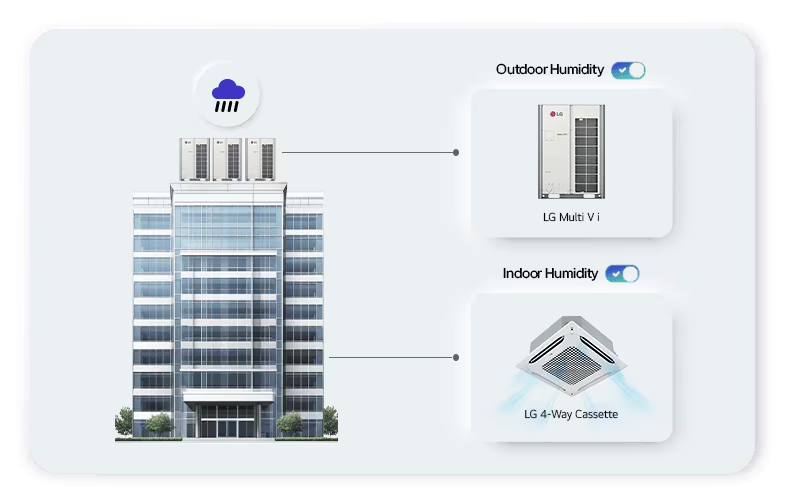
Air conditioners naturally remove moisture as they cool air. However, relying solely on AC is not sufficient.
To optimize AC performance:
- Keep temperature between 24°C and 26°C for balance between cooling and dehumidification
- Ensure filters are cleaned regularly
- Avoid running AC with doors and windows open
- Use “dry mode” when available during rainy days
Air conditioning is most effective for controlled environments like bedrooms but less efficient for full-house humidity control singapore home management.
Dehumidifiers for Targeted Moisture Removal
Dehumidifiers are essential in Singapore homes, especially in areas where AC is not constantly running.
They are particularly useful in:
- Storage rooms
- Wardrobes
- Bathrooms without windows
- Living rooms during rainy seasons
When selecting a dehumidifier, consider:
- Extraction capacity (liters per day)
- Room size compatibility
- Energy efficiency rating
- Noise level for night use
However, dehumidifiers work best when combined with ventilation and not as a standalone solution.
Ventilation Strategy for Continuous Air Exchange
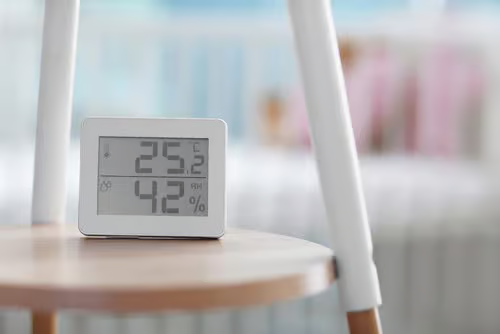
Proper airflow prevents moisture buildup before it becomes a problem.
Key ventilation practices include:
- Cross-ventilation by opening windows on opposite sides
- Using exhaust fans in kitchens and bathrooms
- Installing window vents or louver systems
- Avoiding complete sealing of rooms for long durations
Ventilation is especially important during early morning and late evening when outdoor humidity control singapore home is relatively lower.
Moisture Control in Specific Rooms
Different rooms require different approaches due to varying moisture sources.
Bedroom Moisture Management
- Keep bedding dry and sun-exposed regularly
- Avoid overcrowding wardrobes
- Use moisture absorbers in closed cabinets
- Maintain steady AC or dehumidifier usage during sleep
Bathroom humidity control singapore home Control
- Install strong exhaust fans
- Wipe surfaces after showers
- Keep doors slightly open after use
- Fix any leaks immediately
Kitchen Moisture Management
- Always use exhaust hood during cooking
- Cover boiling pots when possible
- Avoid leaving wet dishes exposed for long periods
Wardrobe and Storage Areas
- Use silica gel or moisture absorbers
- Do not store damp clothes
- Ensure periodic air exposure by opening doors
Material Choices That Help Reduce humidity control singapore home Impact
Some materials naturally handle moisture better
than others.
Recommended choices:
- Moisture-resistant paint for walls
- Metal or treated wood furniture
- Breathable fabrics like cotton and linen
- Anti-mold coatings for bathrooms
Avoid:
- Unsealed wood in humid zones
- Thick carpets in poorly ventilated areas
- Non-breathable synthetic materials in storage spaces
Seasonal humidity control singapore home Management Approach
humidity control singapore home levels fluctuate slightly during different weather patterns.
During monsoon periods:
- Increase dehumidifier usage
- Keep windows closed during heavy rain
- Dry clothes indoors using controlled ventilation
During drier periods:
- Increase natural ventilation
- Reduce artificial dehumidification
- Allow sunlight exposure in rooms
Adjusting strategy based on seasonal changes improves energy efficiency and effectiveness.
Energy Efficiency Considerations
humidity control singapore home control systems can increase electricity usage if not optimized.
To reduce energy consumption:
- Use dehumidifiers only in targeted areas instead of whole-house operation
- Set AC timers instead of continuous operation
- Combine ventilation with mechanical systems to reduce workload
- Maintain equipment regularly for maximum efficiency
Smart balancing reduces both humidity control singapore home and electricity costs.
Advanced humidity control singapore home Control Techniques
For more precise control, advanced methods can be used.
- Hygrometer monitoring in multiple rooms for real-time data
- Smart dehumidifiers with auto humidity control singapore home sensing
- Integration of AC and dehumidifier systems for layered control
- Use of building insulation improvements to reduce external moisture penetration
These methods create a more automated and stable indoor environment.
Common Mistakes That Increase humidity control singapore home Problems
Many households unintentionally worsen humidity control singapore home conditions.
Frequent mistakes include:
- Keeping windows closed all day without airflow
- Overusing humidifiers in tropical climates
- Drying clothes indoors without ventilation
- Ignoring small leaks or condensation signs
- Relying only on air conditioning without dehumidification support
Avoiding these mistakes significantly improves indoor air quality.