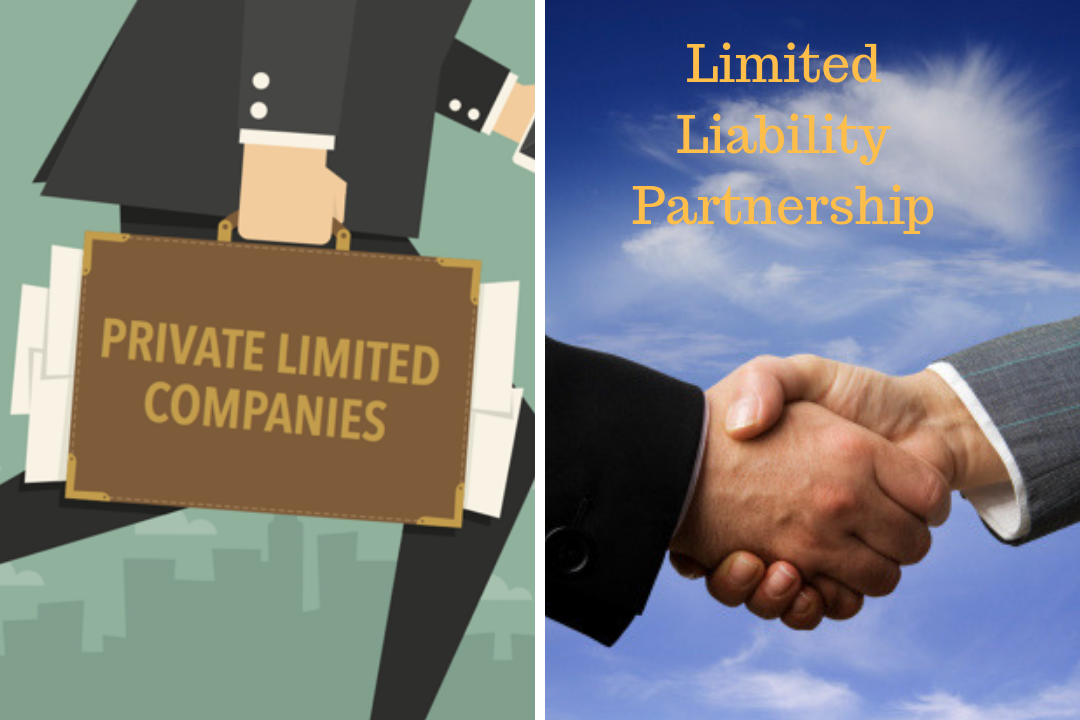
Exempt private company vs private company limited by shares.
Yeah… it sounds like one of those phrases that only lawyers or accountants throw around at meetings. But if you’re starting a business—or even just thinking about it—this distinction actually matters. A lot.
Because choosing the wrong structure? It can quietly cost you time, money… and sometimes opportunities you didn’t even realize you were missing.
So let’s break it down. Not in that stiff, textbook way—but in a way that actually makes sense when you’re sitting with a cup of chai wondering what to do next.
First, what is a private company limited by shares?
Let’s start simple.
A private company limited by shares is basically a business structure where:
- The company is its own legal entity
- Shareholders own the company
- Liability is limited to what shareholders invest
In plain English… if things go wrong, your personal assets are generally safe. That’s a big deal.
This structure is super common in places like Singapore, the UK, and many other jurisdictions. It’s flexible, scalable, and works well whether you’re running a small startup or planning something bigger.
But here’s where things get interesting…
Then what is an exempt private company?
Now we bring in the twist.
An exempt private company (EPC) is actually a type of private company limited by shares—but with special privileges.
Think of it like this:
All exempt private companies are private companies limited by shares… but not all private companies limited by shares are exempt.
Yeah, a bit circular—but stay with me.
To qualify as an exempt private company, typically:
- It must have no more than 20 shareholders
- All shareholders must be individuals (not corporations)
And because it’s smaller and more “closely held,” governments often give it a few perks.
Exempt private company vs private company limited by shares — the core difference
Alright, let’s get straight to the heart of it.
The real difference in exempt private company vs private company limited by shares comes down to:
- Eligibility requirements
- Regulatory flexibility
- Disclosure obligations
An exempt private company is like a “lighter” version… less paperwork, fewer compliance headaches.
A regular private company limited by shares? More structured… but also more suitable for growth and outside investment.
Why does this distinction even matter?
Because the structure you choose affects:
- How much you report to authorities
- How easily you can raise funding
- Your administrative workload
- Your long-term growth flexibility
And honestly… most people don’t think about this early enough.
They just register a company and move on. Then later—boom—restrictions start showing up.
Key benefits of an exempt private company
Let’s talk about why people choose this option.
1. Less compliance stress
This is probably the biggest attraction.
Exempt private companies often:
- Don’t need to file audited financial statements (if they meet certain conditions)
- Have fewer disclosure requirements
Which means… fewer headaches.
And if you’re a small business owner? That matters more than you think.
2. More privacy
Here’s something not everyone talks about.
With an exempt private company, financial details are often less exposed to the public.
So if you prefer keeping things low-key… this structure helps.
3. Lower costs
Less compliance = lower costs.
- Fewer audits
- Less paperwork
- Reduced professional fees
It adds up over time.
4. Simpler ownership structure
Since shareholders must be individuals and limited in number, ownership stays clean and straightforward.
No complicated corporate layers. No messy ownership chains.
But… there are downsides too
And yeah, we should be honest about them.
1. Limited growth potential
Because you can’t have corporate shareholders, raising big investments becomes tricky.
Investors? They often prefer structures that allow flexibility.
2. Shareholder cap
Max 20 shareholders.
That might sound like a lot now… but if your business grows, it can become a real limitation.
3. Not ideal for scaling globally
If you’re thinking big—like international expansion—this structure might feel restrictive later.
Benefits of a private company limited by shares
Now let’s flip the coin.
1. Easier to attract investors
This is huge.
Private companies limited by shares can:
- Have corporate shareholders
- Offer shares more flexibly
Which makes them more attractive to venture capitalists and institutional investors2. No strict shareholder limit (in most cases)
You’re not boxed into that 20-person limit.
So growth becomes… smoother.
3. Better for long-term expansion
If your goal is scaling—maybe even going public someday—this structure gives you room to grow.
4. Stronger credibility
Let’s be real—structure affects perception.
A private company limited by shares often looks more “serious” to:
- Banks
- Investors
- Partners
And perception… it matters.
Downsides of a private company limited by shares
Not everything is perfect.
1. More compliance
You’ll likely need:
- Annual filings
- Audits (depending on size)
- More detailed reporting
Which means more admin work.
2. Higher costs
More compliance = more expenses.
Accountants, auditors, filings… it adds up.
3. Less privacy
Financial information may be more accessible compared to exempt private companies.
Exempt private company vs private company limited by shares — side-by-side feel
Let’s simplify it…
- Exempt private company → Simple, private, low-maintenance
- Private company limited by shares → Flexible, scalable, investment-friendly
That’s really the essence of exempt private company vs private company limited by shares.
So… which one should you choose?
Honestly? It depends.
Go for an exempt private company if:
- You’re running a small business
- You want minimal compliance
- You don’t need external investors (yet)
- You value privacy
Choose a private company limited by shares if:
- You plan to scale
- You want investors
- You’re building something long-term
- You don’t mind extra compliance
A quick real-world scenario
Imagine two founders.
Founder A runs a small consulting firm. Just a few clients, steady income, no plans to expand aggressively.
An exempt private company? Perfect fit.
Founder B is building a tech startup. Pitching investors, planning expansion, thinking global.
Private company limited by shares? No question.
Can you switch later?
Good question—and yeah, people ask this a lot.
In many jurisdictions, you can convert from an exempt private company to a regular private company limited by shares.
But…
It’s not always seamless. There’s paperwork, costs, and sometimes restructuring involved.
So it’s better to think ahead if you can.
Common mistakes people make
Let’s call them out.
1. Choosing based only on cost
Sure, exempt private companies are cheaper upfront.
But if you need investors later? You might end up restructuring anyway.
2. Ignoring long-term goals
People often think short-term.
“But right now, I just need something simple…”
Yeah—but what about 2 years from now?
3. Not understanding restrictions
Especially around shareholders.
That 20-person limit can sneak up on you.
A slightly messy truth…
Sometimes… there’s no “perfect” choice.
You pick what works right now and adjust later.
And that’s okay.
Business isn’t always neat or predictable. Structures evolve. Plans change.
Why this topic feels confusing
Because the names are… honestly… not very intuitive.
“Exempt private company vs private company limited by shares” sounds like they’re completely different.
But they’re not.
One is just a special category of the other.
That’s where most of the confusion comes from.
Final thoughts (without sounding too formal…)
If you’re stuck deciding between exempt private company vs private company limited by shares, here’s a simple way to think about it:
- Want simplicity? Go exempt.
- Want flexibility and growth? Go standard private company.
And if you’re still unsure… talk to a professional. Seriously. A quick consultation can save you a lot of trouble later.