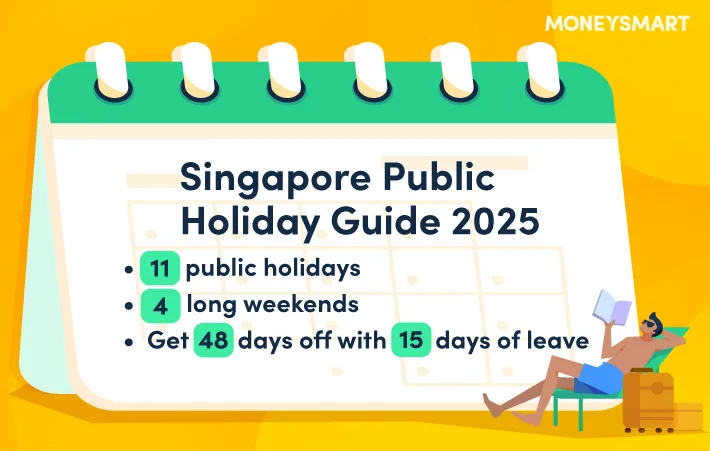
singapore public holidays guide in Singapore are officially declared non-working days that apply to both public and private sectors. Each year typically includes 11 national public holidays, covering a mix of cultural, religious, and national observances. These holidays reflect Singapore’s multicultural society, including Chinese, Malay, Indian, and Western traditions. The structure of holidays is designed to ensure social harmony while also supporting work-life balance in a highly productive economy. For residents, these dates are important for travel planning, family gatherings, and financial scheduling. For businesses, they play a key role in workforce planning, payroll adjustments, and operational forecasting.
Official Structure and Government Framework
singapore public holidays guide are regulated under national employment guidelines, which ensure that all employees are entitled to paid time off on gazetted dates. If a public holiday falls on a Sunday, the following Monday is usually observed as a substitute holiday. This rule ensures fairness and maintains consistent off-days for workers. Employers are also required to comply with compensation rules if employees are required to work on public holidays, often involving additional pay or time off in lieu. This structured system makes Singapore one of the most organized countries in terms of holiday governance and labor planning.
Categories of Public Holidays in Singapore
Singapore’s public holidays can be grouped into several key categories based on cultural and national significance. These categories help explain the diversity behind the calendar.
National Holidays include New Year’s Day and National Day, which reflect civic identity and national unity. Cultural holidays include Chinese New Year and Deepavali, which represent major ethnic communities. Religious holidays include Hari Raya Puasa and Hari Raya Haji, important in the Islamic calendar. Christian holidays include Good Friday and Christmas Day, widely observed across the country. Labor Day and Vesak Day represent broader international and spiritual observances. This diversity ensures that all major communities are represented within the national calendar.
Full Public Holiday Distribution Pattern
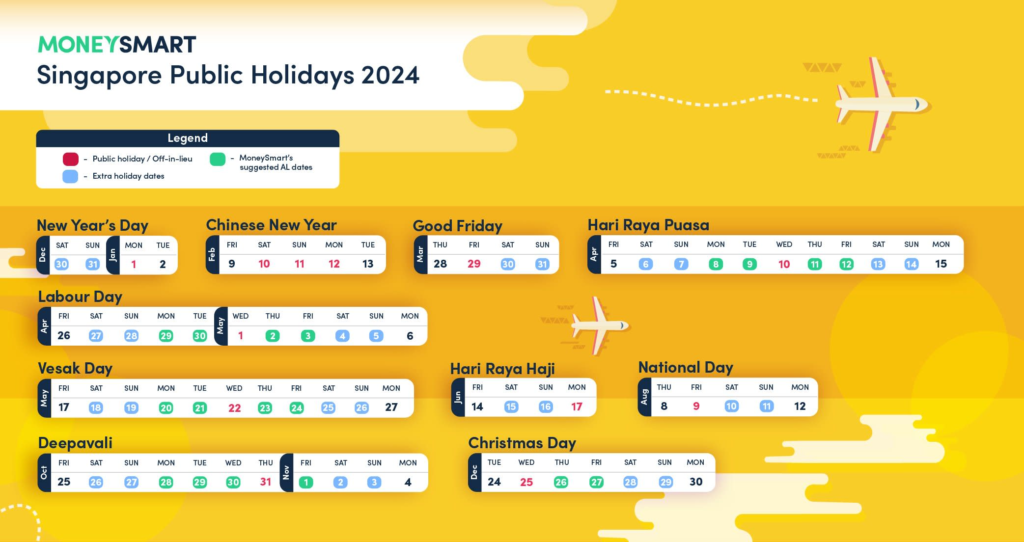
Although exact dates vary each year, Singapore’s public holidays usually follow a predictable distribution pattern across the calendar year. Early months include New Year and Chinese New Year, often creating extended breaks. Mid-year includes Hari Raya, Vesak Day, and Labour Day. The second half of the year includes National Day, Deepavali, and Christmas. This distribution helps balance rest periods across the year rather than clustering them in a single season. It also supports tourism flow management and economic continuity.
Long Weekend System and Its Importance
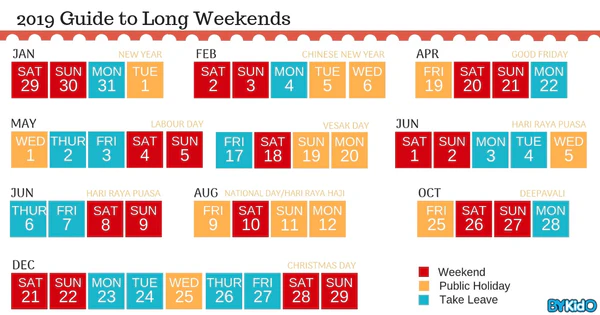
One of the most valuable aspects of Singapore’s public holiday system is the concept of long weekends. When a holiday falls on a Friday or Monday, employees automatically get a three-day break. In some cases, strategic leave planning can extend this further into four to nine days of continuous rest. This system significantly impacts travel behavior, with many residents planning overseas trips during these periods. Airlines, hotels, and travel agencies often adjust pricing based on these predictable demand spikes. Understanding long weekend patterns is essential for maximizing personal time off.
Leave Optimization Strategy for Maximum Breaks
One of the most searched aspects of Singapore holidays is how to convert limited annual leave into extended vacations. With careful planning, employees can align their paid leave with public holidays to maximize continuous rest periods. For example, taking one or two leave days around a public holiday that falls near a weekend can result in a four to five-day break. More advanced planning across multiple holiday clusters can convert 11 public holidays into over 20 days of rest annually. This strategy is widely used by professionals who prioritize travel efficiency and work-life balance.
Cultural and Social Importance of Holidays
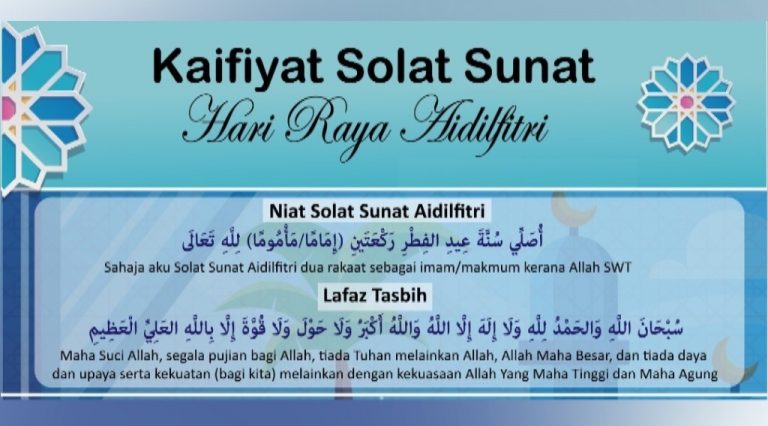
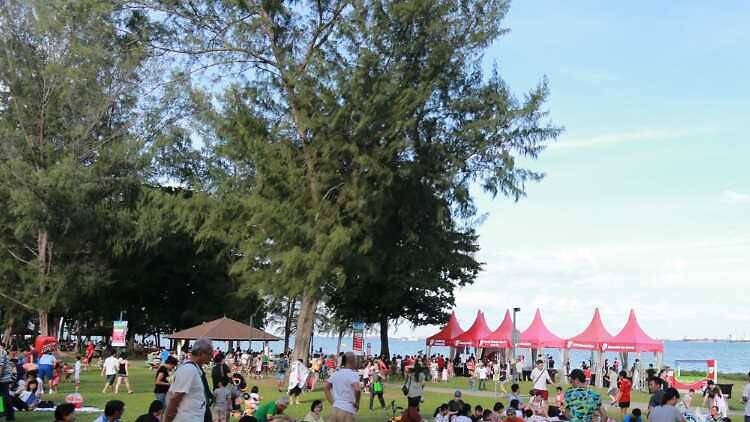
Public holidays in Singapore are not only rest days but also culturally significant events. Chinese New Year involves family reunions, festive markets, and traditional meals. Hari Raya Puasa marks the end of Ramadan and is celebrated with open houses and communal gatherings. Deepavali, known as the Festival of Lights, is marked by vibrant decorations and cultural performances. National Day celebrates Singapore’s independence with parades and nationwide events. These cultural dimensions add emotional and social value beyond just time off, strengthening national identity and community bonds.
Business and Economic Impact of Public Holidays
Public holidays have a measurable impact on Singapore’s economy. Retail sectors often experience increased sales during festive periods, especially in food, travel, and shopping industries. On the other hand, manufacturing and corporate sectors may experience temporary slowdowns. Businesses typically plan annual cycles around these holidays to optimize productivity. HR departments also use holiday calendars for workforce scheduling, payroll planning, and project deadlines. The predictable nature of Singapore’s holiday system helps maintain economic stability despite frequent breaks.
Public Holiday Rules and Employee Rights
Employees in Singapore are protected under structured labor regulations regarding public holidays. If a public holiday falls on a working day, employees are entitled to a paid day off. If required to work, employers must provide compensation either through additional pay or replacement leave. Part-time and shift workers may have adjusted entitlements based on employment contracts. These rules ensure fairness across industries while allowing operational flexibility for essential services such as healthcare, transportation, and hospitality.
Travel Trends During Public Holidays
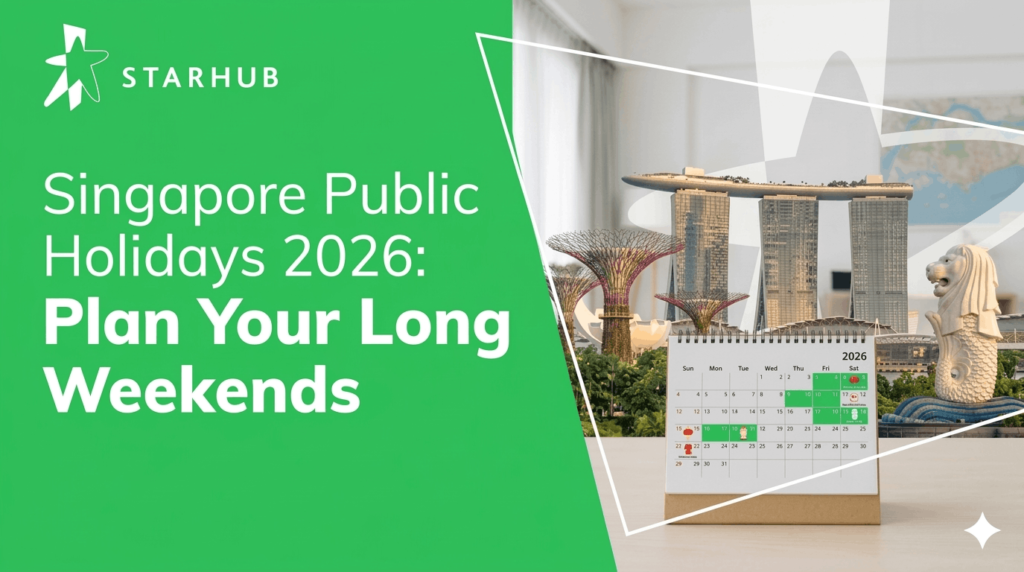
Public holidays strongly influence travel behavior in Singapore. Many residents take advantage of long weekends to travel to nearby destinations such as Malaysia, Thailand, Indonesia, and Vietnam. Budget airlines often increase capacity during these periods, while hotels experience peak occupancy rates. Early booking is essential during major holiday seasons such as Chinese New Year and Christmas. Domestic tourism also increases, with attractions, resorts, and staycation packages becoming highly popular.
Planning Mistakes to Avoid
Many individuals fail to maximize public holidays due to poor planning. Common mistakes include not checking holiday calendars early, ignoring substitute holiday rules, and booking travel too late during peak periods. Another mistake is not aligning leave days strategically, which results in fragmented short breaks instead of extended holidays. Understanding the structure of the holiday year in advance helps avoid these inefficiencies and improves overall time management.
Digital Tools and Holiday Planning Techniques
Modern holiday planning increasingly relies on digital calendars and automation tools. Employees often sync public holiday calendars with work schedules to visualize potential long weekends. Some use productivity apps to map out leave optimization strategies months in advance. Businesses also use HR software to manage staffing around peak holiday seasons. These tools improve efficiency and reduce scheduling conflicts.
Educational and Family Planning Considerations
For families, public holidays align closely with school holidays, allowing for coordinated travel and family activities. Parents often plan vacations around both school breaks and public holidays to maximize time together. Educational institutions also use these breaks to schedule examinations and academic transitions. This synchronization ensures minimal disruption while maximizing rest periods for students and families.
Seasonal Highlights Across the Year
Each part of the year in Singapore offers unique holiday experiences. Early-year holidays are festive and energetic, especially Chinese New Year. Mid-year breaks are more relaxed and often used for overseas travel. Late-year holidays such as Deepavali and Christmas bring strong commercial and cultural celebrations. This seasonal variety ensures that the year feels balanced between work, rest, and celebration.
Advanced Holiday Optimization Strategy
For professionals aiming to fully optimize their schedule, combining public holidays with strategic leave placement is key. Clustering leave around major holidays, avoiding low-impact work weeks, and planning travel during off-peak return dates can significantly enhance rest quality. Some even plan entire yearly calendars in advance to ensure maximum productivity and minimum burnout. This approach is increasingly popular in corporate environments where efficiency and wellness are both priorities.
Conclusion of Singapore Public Holidays Planning Guide
Singapore’s public holiday system is one of the most structured and predictable in the world. It balances cultural diversity, economic stability, and employee welfare effectively. By understanding the distribution of holidays, long weekend opportunities, and strategic leave planning methods, individuals can significantly enhance their work-life balance. Whether for travel, family time, or personal rest, proper planning transforms 11 annual holidays into a highly optimized lifestyle advantage.