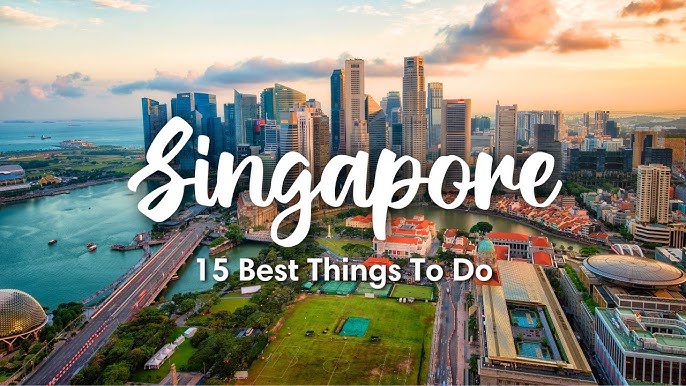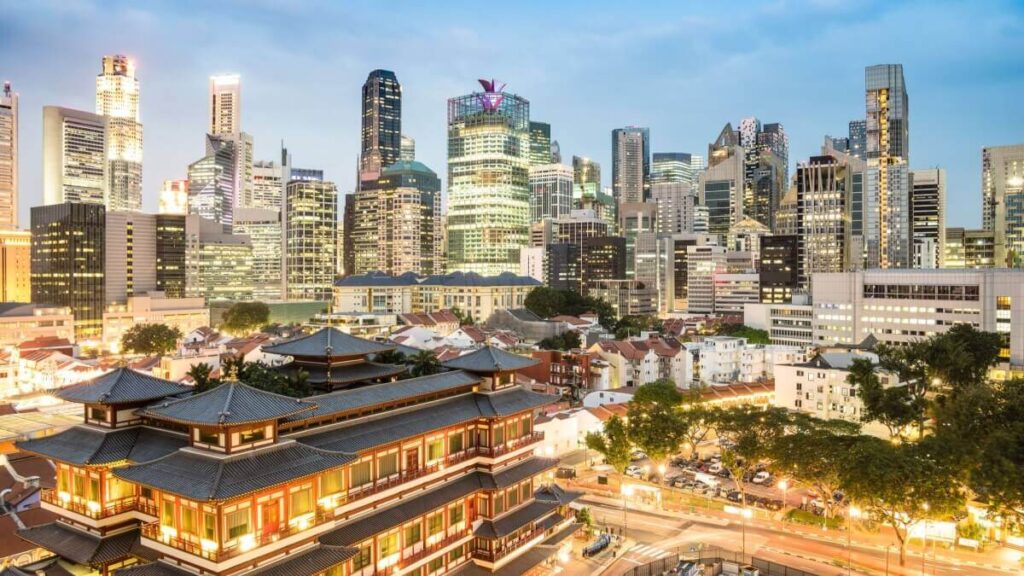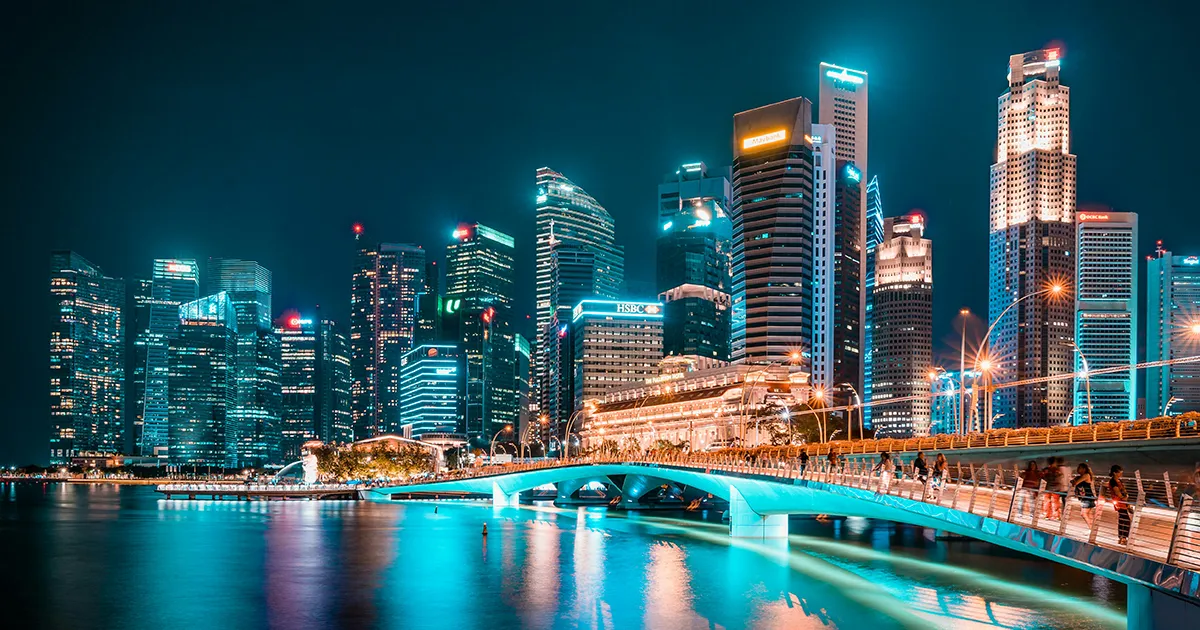
Singapore is one of the most dynamic and modern cities in the world. Known for its cleanliness, efficiency, and multicultural environment, the country offers a lifestyle that blends Asian traditions with global modern living. Whether someone is planning to move, travel long-term, or understand how life works in the city-state, this Singapore lifestyle guide explains everything from culture and housing to food, work life, and daily living.
Living in Singapore means experiencing a fast-paced yet highly organized environment. The city offers excellent infrastructure, world-class public transport, diverse food options, safe neighborhoods, and countless entertainment opportunities. At the same time, the cost of living in Singapore can be high, making it important to understand how residents manage their everyday life.
This comprehensive Singapore lifestyle guide explores all the essential aspects of living in the country and provides practical insights into what daily life actually looks like.
Understanding the Singapore Lifestyle
Singapore’s lifestyle is often described as efficient, modern, and multicultural. The population consists of different ethnic groups including Chinese, Malay, Indian, and expatriates from around the world. This diversity strongly influences traditions, food, languages, and celebrations.
A typical Singapore lifestyle revolves around work, family, food, and social activities. Many residents work in professional sectors such as finance, technology, healthcare, and international business. After work hours, people often meet friends, enjoy dining experiences, visit shopping districts, or explore parks and waterfront areas.
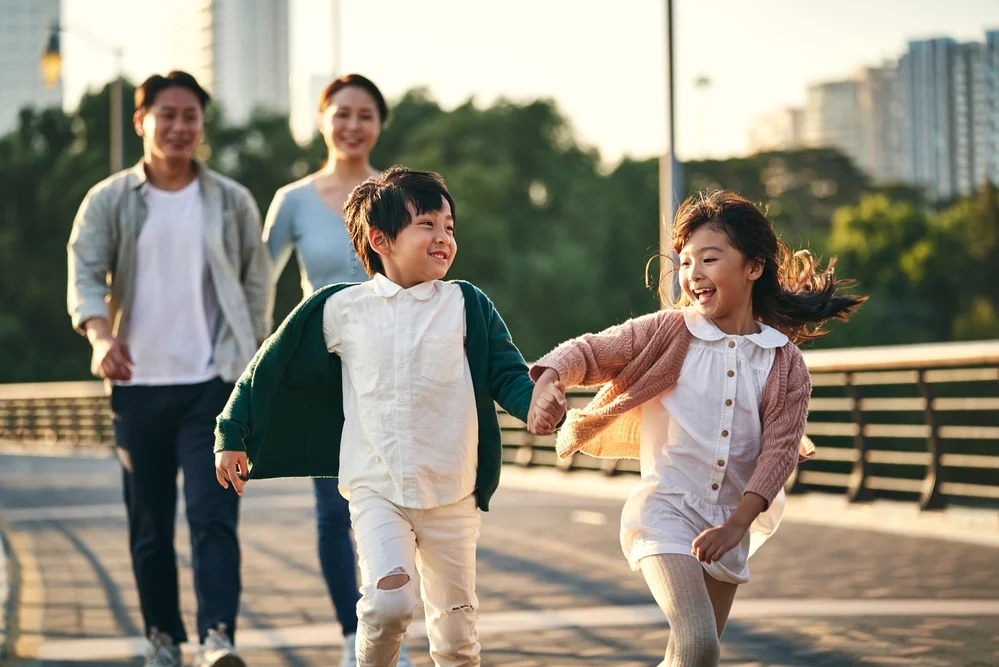
The city’s structured systems make daily life smooth and predictable. Public transport runs on schedule, streets are well maintained, and services operate with efficiency.
Multicultural Living
One of the most defining characteristics highlighted in any Singapore lifestyle guide is the multicultural environment. Different communities celebrate their festivals, traditions, and cultural events throughout the year.
Common cultural celebrations include:
- Chinese New Year
- Hari Raya celebrations
- Deepavali festival
- Christmas and New Year events
These celebrations bring vibrant decorations, cultural performances, and unique food experiences across the city.
Safety and Clean Environment
Singapore consistently ranks among the safest cities globally. Strict regulations, effective law enforcement, and a strong civic culture contribute to the city’s reputation for safety.
The clean environment is another major lifestyle feature. Public spaces, parks, streets, and transport systems are well maintained, making the overall living experience comfortable and pleasant.
Cost of Living in Singapore
Understanding the cost of living in Singapore is essential for anyone exploring this Singapore lifestyle guide. The country is often considered one of the most expensive cities in the world.
Major living expenses typically include:
- Housing
- Food
- Transportation
- Healthcare
- Education
- Entertainment
Housing Costs
Housing is usually the biggest expense for residents. Options generally include:
- Public housing apartments
- Private condominiums
- Luxury residential buildings
Public housing developments offer affordable living for many citizens and permanent residents, while private apartments provide more amenities and privacy.
Location significantly influences rental prices. Areas near business districts and transport hubs usually cost more.
Food and Dining
Food plays a central role in the Singapore Lifestyle Guide. Residents enjoy both affordable street food and premium dining experiences.
Daily meal options typically include:
- Local food stalls
- Casual restaurants
- International cuisines
- Fine dining establishments
Affordable meals are widely available, allowing people to enjoy great food without spending excessively.
Transportation Expenses
Public transportation is one of the most efficient systems in the world. Residents rely heavily on trains and buses for daily commuting.
Advantages of the transport system include:
- Extensive coverage across the island
- Reliable schedules
- Clean and safe vehicles
- Affordable fares compared to private vehicles
Owning a private car can be expensive due to regulations and taxes, so many residents prefer public transport.
Work Culture in Singapore
Work culture plays a major role in shaping the Singapore Lifestyle Guide. The country is known for its professional environment, strong work ethic, and global business presence.
Professional Environment
Singapore is a major business hub in Asia. Many multinational companies operate here, offering career opportunities across industries such as:
- Technology
- Finance
- Logistics
- Healthcare
- Engineering
- Marketing
Employees are expected to maintain high standards of professionalism, punctuality, and productivity.
Work-Life Balance
Work-life balance is becoming increasingly important in the Singapore Lifestyle Guide. While working hours can sometimes be demanding, many professionals prioritize personal time, fitness, social gatherings, and leisure activities after work.
Companies are also gradually adopting more flexible work arrangements and hybrid work models.
Housing and Neighborhood Lifestyle
Different neighborhoods in Singapore offer unique living experiences. Choosing the right area depends on lifestyle preferences, work location, and budget.
City Living
Living near the central business district provides easy access to offices, shopping areas, and nightlife. This lifestyle suits professionals who prefer convenience and fast city life.
Advantages include:
- Short commuting time
- Access to entertainment
- Modern residential buildings
- Vibrant social scene
Suburban Lifestyle
Many families prefer suburban areas because they offer quieter surroundings and community-focused environments.
Suburban living benefits include:
- Larger residential spaces
- Family-friendly facilities
- Schools and parks nearby
- Less crowded atmosphere
Food Culture in Singapore
Food is one of the most important parts of the Singapore lifestyle guide. The country’s culinary scene is incredibly diverse and reflects its multicultural heritage.
Residents enjoy a wide variety of dishes influenced by Chinese, Malay, Indian, and international cuisines.
Popular Local Dishes
Some commonly enjoyed meals include:
- Rice and noodle dishes
- Seafood specialties
- Spicy curries
- Grilled meats
- Traditional desserts
Food courts and local food centers are popular places where people gather to enjoy affordable meals and socialize.
Dining Culture
Dining in Singapore is often a social activity. Friends and families regularly meet for meals during weekends or after work.
Late-night dining is also common, with many eateries operating until midnight or later.
Leisure and Entertainment Lifestyle
Singapore offers a wide range of entertainment and leisure activities that enhance everyday living.
Shopping Culture
Shopping is a major part of the Singapore Lifestyle Guide. The city features countless malls, retail streets, and local markets.
Popular shopping experiences include:
- Luxury brand stores
- Local designer boutiques
- Electronics shops
- Night markets
- Seasonal shopping festivals
Outdoor Activities
Despite being highly urbanized, Singapore offers many outdoor recreational spaces.
Residents enjoy:
- Nature parks
- Cycling trails
- Waterfront walks
- Botanical gardens
- Island excursions
These activities provide relaxation and balance in the busy city environment.
Nightlife and Social Life
The nightlife scene includes lounges, rooftop venues, live music venues, and late-night restaurants.
Social gatherings often revolve around food, entertainment, and cultural events.
Education and Family Life
Families moving to Singapore often consider education a top priority. The country offers a well-structured education system and diverse schooling options.
Schooling Options
Families can choose between:
- Public schools
- Private schools
- International schools
Many schools emphasize academic excellence, discipline, and holistic development.
Family-Friendly Environment
Singapore is known for being family-friendly. Safe neighborhoods, accessible healthcare, clean parks, and organized public services make it an ideal place for raising children.
Community spaces and family activities are widely available across the island.
Health and Wellness Lifestyle
Health and wellness are integral parts of modern Singapore living. Residents actively participate in fitness and wellness activities.
Common health practices include:
- Gym memberships
- Outdoor jogging
- Yoga classes
- Cycling groups
- Wellness retreats
Public parks and sports facilities encourage active living and healthy habits.
Healthcare services are highly developed and accessible, providing quality medical care for residents.
Tips for Adapting to Singapore Lifestyle Guide
Adapting to a new country can take time. These practical tips can help individuals adjust smoothly.
Learn Local Etiquette
Understanding local customs and social norms helps build positive relationships and cultural respect.
Use Public Transport
The public transport system is reliable and efficient, making it the best way to navigate the city.
Explore Local Food
Trying different cuisines is one of the best ways to experience the local culture.
Manage Living Costs
Planning budgets carefully helps manage the cost of living in Singapore effectively.
Build Social Connections
Joining community groups, networking events, or hobby clubs helps people integrate into the social environment.
Common Mistakes New Residents Make
Some newcomers struggle during their initial months because they misunderstand certain aspects of the Singapore Lifestyle Guide.
Common mistakes include:
- Underestimating the cost of housing
- Not exploring public transportation options
- Ignoring cultural diversity and etiquette
- Overspending on luxury lifestyle choices
- Not building a local social network
Avoiding these mistakes can make the transition smoother and more enjoyable.
Future of Singapore Lifestyle Guide
Singapore continues to evolve with technological innovation, sustainable urban planning, and smart city development.
Future lifestyle trends include:
- Smart home technology
- Green buildings
- Sustainable transport systems
- Digital services
- Smart city infrastructure
These developments aim to improve quality of life while maintaining environmental responsibility.
Conclusion
This Singapore lifestyle guide provides a complete overview of what life in the city-state looks like. From multicultural traditions and world-class infrastructure to diverse food culture and professional opportunities, Singapore offers a unique living experience.
Although the cost of living in Singapore can be high, the benefits include safety, convenience, global connectivity, and a vibrant social environment. Residents enjoy a balanced lifestyle that combines work, leisure, culture, and modern urban living.
Understanding these aspects helps individuals adapt quickly and fully appreciate everything the country has to offer.
Frequently Asked Questions
What is the lifestyle like in Singapore?
The Singapore Lifestyle Guide is modern, efficient, and multicultural. Residents enjoy a high standard of living, strong infrastructure, diverse food culture, and safe neighborhoods.
Is Singapore a good place to live?
Yes, Singapore offers excellent safety, healthcare, education, and career opportunities, making it one of the most desirable places to live in Asia.
What is the average cost of living in Singapore?
The cost of living varies depending on housing, lifestyle, and personal spending habits. Housing and private transportation are typically the biggest expenses.
What makes Singapore Lifestyle Guide unique?
The combination of multicultural traditions, modern urban infrastructure, diverse cuisine, and high quality of life makes Singapore Lifestyle Guide unique.
Is public transport good in Singapore?
Yes, Singapore has one of the most reliable and efficient public transport systems in the world, covering most parts of the island.
What food is popular in Singapore?
Singapore is famous for its diverse food culture, including rice dishes, noodle meals, seafood specialties, spicy curries, and traditional desserts.
Is Singapore family friendly?
Yes, Singapore is considered very family friendly due to its safety, education system, healthcare services, and recreational facilities.
What are the best things to do in Singapore?
Residents and visitors enjoy shopping, dining, exploring parks, cultural festivals, waterfront walks, and nightlife activities.
How can someone adapt to Singapore Lifestyle Guide?
Adapting involves understanding local culture, using public transport, managing expenses wisely, and building social connections.
Why is Singapore considered a modern city?
Singapore Lifestyle Guide is known for its advanced infrastructure, smart city technologies, efficient services, and well-planned urban development.