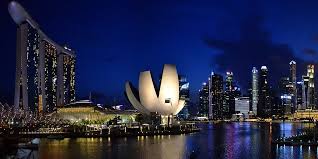
expat life in singapore in Singapore is widely considered one of the most structured, safe, and career-driven international living experiences in the world. The city-state attracts professionals from finance, technology, healthcare, education, and multinational corporations due to its strong economy, strategic global location, and high standard of infrastructure. However, beyond the polished global image, the actual experience depends heavily on income level, lifestyle expectations, and social adaptability. While many expats enjoy high salaries and a clean, efficient environment, they also face challenges such as high living costs, competitive work culture, and limited social integration outside professional circles.
Why Singapore Attracts Expats Globally
expat life in singapore stands out because it combines economic opportunity with political stability and world-class infrastructure. It is a major hub for banking, trade, logistics, and technology companies, making it attractive for skilled professionals. The tax system is also relatively favorable compared to many Western countries, which increases take-home income for high earners. In addition, English is widely used in business and daily life, reducing language barriers for international workers. The city is also strategically located in Southeast Asia, allowing easy travel to nearby destinations like Malaysia, Thailand, and Indonesia.
Visa System and Work Authorization Reality
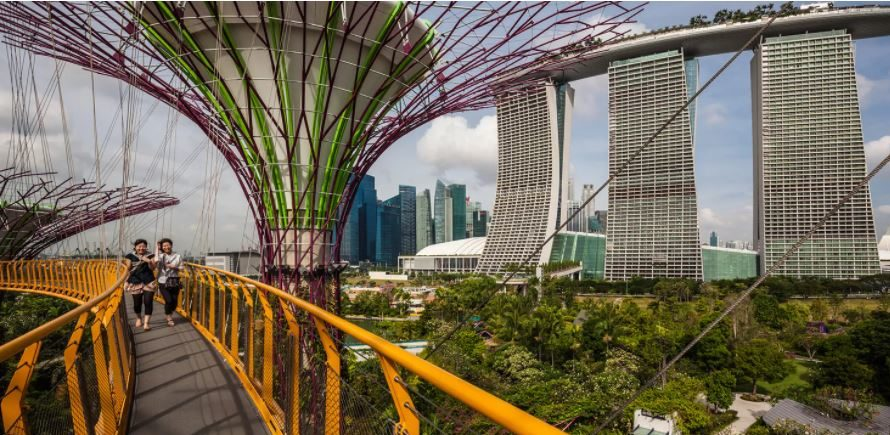
To live and work in Singapore, most expats require an Employment Pass or related work visa sponsored by an employer. These passes are generally issued based on salary level, qualifications, and job role. The system is selective, meaning not everyone who applies will qualify, especially for lower-income roles. This creates a workforce structure where expats are often concentrated in skilled or managerial positions. While the process is efficient, it also creates pressure to maintain employment, since losing a job can impact visa status. Long-term residency is possible but requires sustained employment history and contribution to the local economy.
Cost of Living Expectations and Financial Planning
One of the most important aspects of expat life in Singapore is managing expenses, as the cost of living is significantly higher than many Asian countries and comparable to major global cities.
Housing is the biggest expense. Private condominiums in central areas can be extremely expensive, while public housing rentals are more affordable but less commonly available for foreigners. Transportation is efficient and relatively affordable due to the MRT system, which reduces the need for private vehicles.
Daily expenses such as groceries, dining, and utilities also contribute to a high monthly budget. However, salaries in expat roles are often adjusted to match these costs. A comfortable lifestyle typically requires careful financial planning, especially for individuals supporting families or living in premium neighborhoods.
Housing Options and Neighborhood Selection
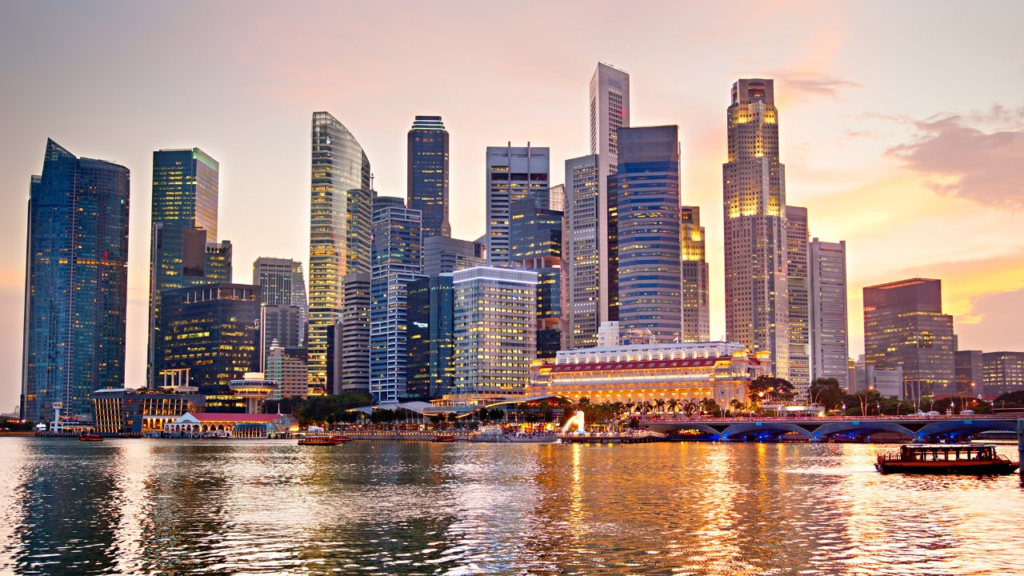
Housing choices in Singapore are diverse but highly dependent on budget and lifestyle preference. Expats commonly choose between private condominiums and serviced apartments. Popular residential areas include central districts known for luxury living, as well as suburban zones that offer more space and quieter environments.
City center living provides convenience and proximity to workplaces but comes with high rent. Suburban living offers larger spaces and a more relaxed atmosphere, often preferred by families. Many expats also consider proximity to MRT stations, international schools, and business districts when selecting accommodation. The rental process is structured, requiring contracts, deposits, and agent involvement, which ensures transparency but limits flexibility.
Work Culture and Professional Environment
Singapore’s work culture is highly professional, fast-paced, and performance-driven. Many companies follow structured corporate hierarchies, and efficiency is strongly emphasized. Expats often work in multinational environments where expectations are clear but demanding.
Long working hours are common in certain industries such as finance and consulting. However, workplaces are generally well-organized, and communication tends to be direct and formal. Career progression is often merit-based, which can be an advantage for skilled professionals. At the same time, competition is strong, and performance expectations can create pressure for long-term sustainability.
Lifestyle Quality and Daily Living Experience
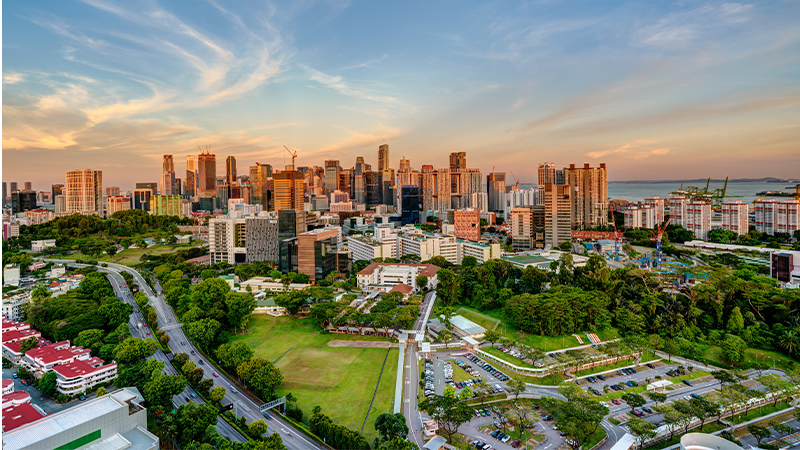
Daily life in Singapore is highly convenient due to its advanced infrastructure and urban planning. Public transport is reliable, and the city is known for cleanliness, safety, and order. Expats often appreciate the ease of commuting and access to modern amenities.
Food culture is one of the strongest lifestyle highlights. Hawker centers offer affordable local meals alongside international dining options. The variety of cuisines reflects the multicultural population, including Chinese, Malay, Indian, and Western influences.
Leisure activities include shopping malls, parks, waterfront areas, and entertainment districts. Despite being a densely populated city, Singapore offers many green spaces and recreational areas that support a balanced lifestyle.
Social Life and Community Integration
Social integration can be one of the more challenging aspects of expat life in Singapore. While there are large expat communities and networking groups, forming deep local friendships may take time. Many expats initially connect with colleagues or other foreigners through professional or social clubs.
Cultural differences and busy work schedules can limit social interactions. However, events, hobby groups, fitness communities, and networking platforms help expand social circles. Over time, many expats develop a mix of international and local friendships, though the experience varies significantly by personality and profession.
Education System and Family Considerations
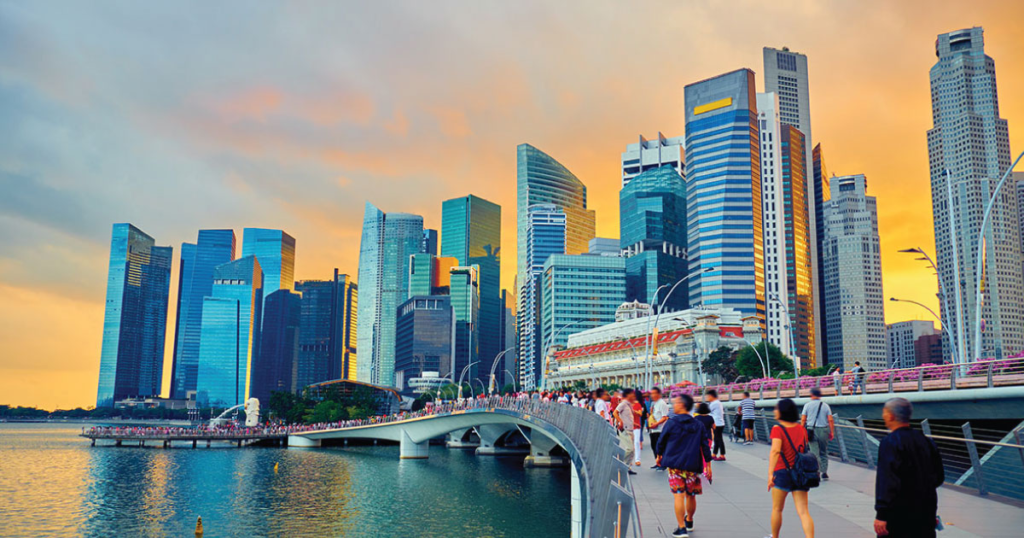
For expat families, education is a major factor in relocation decisions. Singapore offers a strong education system with numerous international schools following British, American, and IB curricula. These schools are known for high academic standards but can be expensive.
Families also benefit from the country’s safety, healthcare quality, and child-friendly infrastructure. Parks, recreational facilities, and community programs make it suitable for raising children. However, school placement competition and tuition costs require early planning and financial readiness.
Healthcare System and Medical Access
Singapore has one of the most advanced healthcare systems in Asia. Expats typically use private healthcare services, which provide fast access and high-quality treatment. Medical facilities are modern, and English-speaking professionals are widely available.
Health insurance is often provided by employers, but private coverage is also common depending on employment terms. While healthcare quality is excellent, costs can be high without insurance coverage, making it important for expats to understand their medical benefits before relocating.
Transportation and Mobility Experience
Transportation in Singapore is efficient, clean, and highly organized. The MRT system connects most parts of the city, making it easy to travel without owning a car. Buses are also widely used and integrated into the transport network.
Private car ownership is expensive due to taxes and regulations, so most expats rely on public transport or ride-hailing services. This contributes to lower daily transportation stress compared to many other global cities.
Cultural Environment and Lifestyle Adaptation
Singapore is a multicultural society where different ethnic groups coexist, creating a unique blend of traditions, languages, and lifestyles. Expats are expected to respect local norms and regulations, which are strictly enforced.
Adaptation is usually smooth for professionals due to the city’s global outlook, but understanding cultural etiquette improves integration. Workplace communication, public behavior, and social expectations are generally structured and rule-oriented.
Challenges of Expat Life in Singapore
Despite its advantages, expat life in Singapore comes with challenges. The most common issue is high cost of living, particularly housing. Work pressure can also be significant in competitive industries.
Social isolation is another challenge, especially for newcomers without strong community connections. Additionally, visa dependency on employment can create uncertainty for long-term planning. These factors make financial stability and career security essential for a comfortable experience.
Who Should Consider Moving to Singapore
Singapore is best suited for individuals who are career-focused, financially stable, and comfortable with structured environments. It is particularly ideal for professionals in finance, technology, engineering, and corporate sectors.
It also suits families seeking safety, education quality, and modern infrastructure, provided they can manage the associated costs. However, individuals looking for low-cost living or a relaxed work-life balance may find it less suitable.
Final Insight: Realistic Expectation Framework
Expat life in Singapore is a combination of high opportunity and high responsibility. It offers world-class infrastructure, strong career pathways, and exceptional safety standards. At the same time, it demands financial discipline, adaptability, and resilience in a fast-paced environment.
A successful experience depends on aligning expectations with reality—understanding that Singapore is not just a destination of comfort, but a performance-driven global city where lifestyle quality is directly linked to professional success and income level.