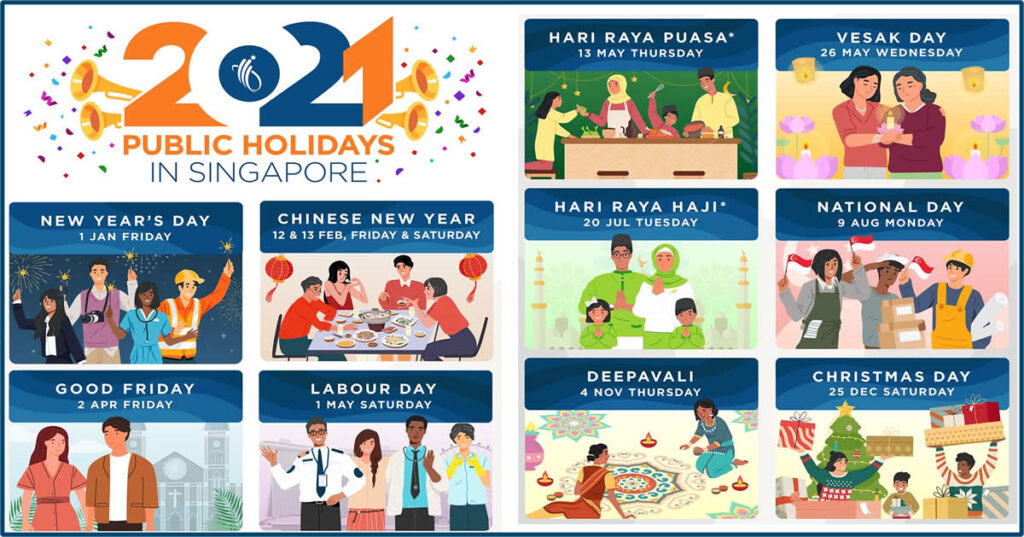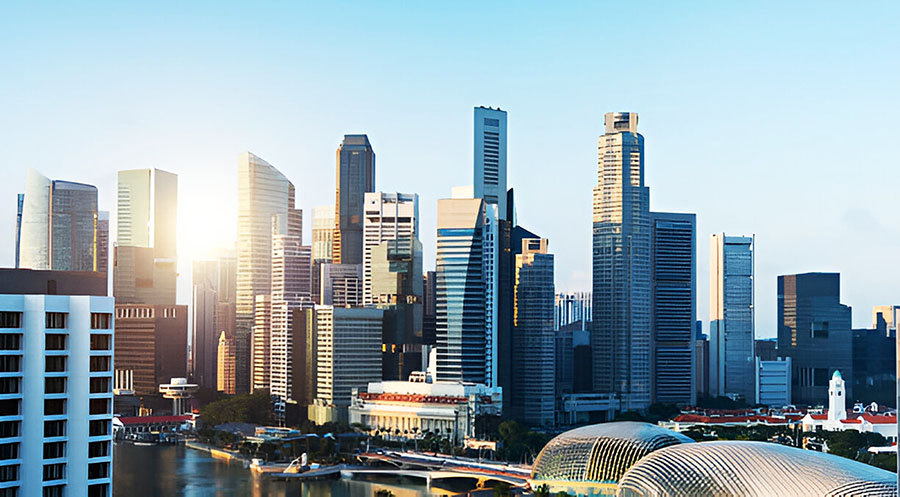
singapore weather guide sits close to the equator, which means the weather does not follow traditional four-season patterns. Instead of summer, winter, spring, and autumn, the country experiences a tropical rainforest climate. This creates a consistent environment throughout the year with high temperatures, heavy humidity, and frequent rainfall. Average daytime temperatures typically stay between 28°C and 33°C, while nights remain warm around 24°C to 26°C. What truly defines the experience is humidity, often above 70%, making the “feels like” temperature much higher than the actual reading. This combination shapes everything from what you wear to how you plan your day.
How Singapore Weather Actually Feels in Real Life
singapore weather guide do not fully describe Singapore’s weather. The humidity makes the air feel thick and heavy, especially for travelers coming from dry climates. Stepping outside, even for a few minutes, can lead to immediate sweating. Afternoon heat feels intense not just because of temperature but because sweat does not evaporate quickly. Air conditioning becomes a major part of daily life, and locals often move between indoor and outdoor spaces strategically. Understanding this reality helps you prepare better rather than being surprised after arrival.
Seasonal Patterns and Monsoon Influence
Singapore’s climate is influenced by two main monsoon seasons along with inter-monsoon periods. The Northeast Monsoon typically occurs from November to January and brings heavier, more consistent rainfall. This is often considered the wettest period of the year. The Southwest Monsoon runs from June to September and tends to be relatively drier, though short showers still happen. Between these periods, inter-monsoon months such as April and October are known for sudden, intense thunderstorms, usually in the afternoon. These storms are short-lived but can be very heavy.
Month-by-Month Weather Breakdown and Travel Insights
January continues the wet conditions from the Northeast Monsoon. Expect frequent rain and cloudy skies, though temperatures remain stable. February begins to see a slight reduction in rainfall, making it more comfortable for outdoor exploration. March is one of the better months, with relatively lower rainfall and good sunshine balance. April introduces inter-monsoon conditions, meaning sudden thunderstorms become common, especially in the afternoon. May is hot and slightly less rainy, but humidity increases noticeably. June marks the beginning of the Southwest Monsoon, offering more sunshine and fewer long rain spells. July is similar, with occasional haze in some years and warm, sunny conditions. August remains relatively dry compared to other months, making it a popular travel period. September sees a gradual increase in rainfall but still offers many clear days. October brings inter-monsoon storms again, with unpredictable but short bursts of heavy rain. November signals the return of the wet season, with frequent showers and cloudy skies. December continues this pattern with high rainfall and slightly cooler evenings.
Best Time to Visit Based on Travel Goals
Choosing the best time depends on what kind of experience you want. If your priority is outdoor sightseeing and exploring attractions comfortably, February to April offers a good balance of sunshine and manageable rainfall. For those looking for slightly drier conditions, June to August is another suitable window. However, if you do not mind rain and prefer fewer crowds, November to January can still be enjoyable with proper planning. The key is not avoiding rain entirely, because that is nearly impossible, but understanding how to work around it.
Daily Weather Pattern and Smart Timing Strategy
Singapore’s weather follows a fairly predictable daily rhythm. Mornings are usually the most pleasant, with lower temperatures and less rain. This is the best time for outdoor activities such as walking tours, sightseeing, and visiting attractions. By midday, heat and humidity peak, making outdoor exploration more tiring. Afternoons often bring thunderstorms, which can be intense but usually last for a short period. Evenings become more comfortable again, with cooler temperatures and less direct sunlight. Planning your day around this cycle can significantly improve your experience.
What to Wear for Maximum Comfort
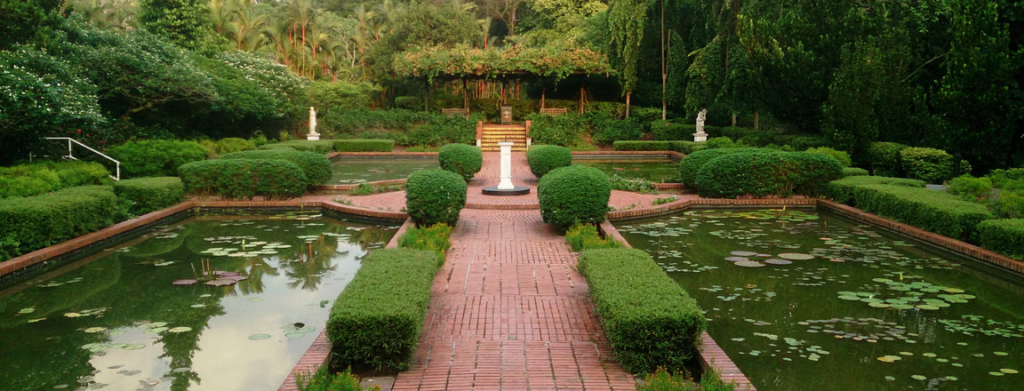
Lightweight, breathable clothing is essential. Cotton and moisture-wicking fabrics work best in humid conditions. Loose-fitting clothes allow better air circulation and reduce discomfort. Footwear should be comfortable and suitable for both dry and wet conditions, as sudden rain can create slippery surfaces. Carrying a compact umbrella or light rain jacket is highly recommended. Sunglasses, sunscreen, and a hat are also important due to strong UV exposure, even on cloudy days.
Packing Essentials for Singapore Weather
Packing smartly can make a big difference. Include quick-dry clothing, as frequent sweating and occasional rain can leave clothes damp. Bring extra shirts to change during the day if needed. A reusable water bottle helps you stay hydrated in the heat. Travel-sized toiletries like deodorant and facial wipes can help you feel fresh throughout the day. Waterproof bags or covers are useful for protecting electronics during sudden rain showers.
How to Plan Activities Around Weather Conditions
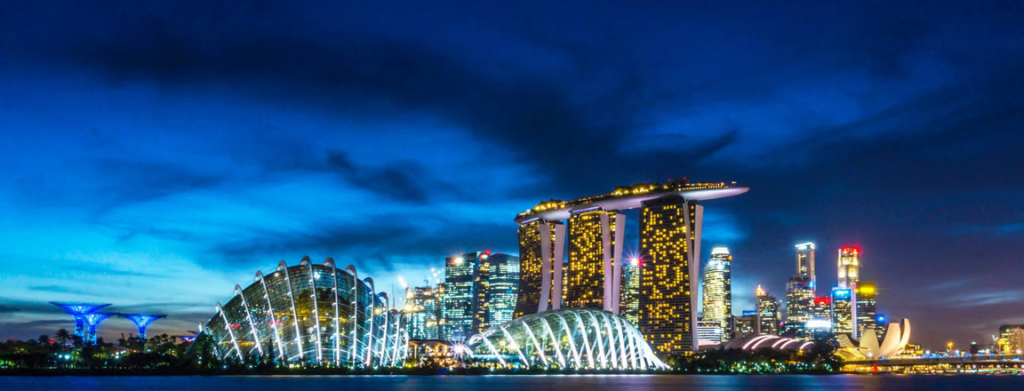
Instead of trying to avoid weather challenges, it is more effective to adapt your plans. Schedule outdoor attractions early in the morning or later in the evening. Use the afternoon hours for indoor experiences such as shopping malls, museums, or cafes. Many of Singapore’s attractions are designed with weather in mind, offering shaded areas or indoor sections. Keeping a flexible itinerary allows you to adjust plans based on sudden weather changes.
Common Mistakes Travelers Make
One of the biggest mistakes is underestimating humidity. Many travelers prepare for heat but not for the intensity of moisture in the air. Another common mistake is overpacking heavy clothing, which becomes uncomfortable quickly. Ignoring hydration is also a problem, as the climate can lead to faster dehydration. Some travelers also plan long outdoor activities in the afternoon, which can be exhausting due to heat and rain. Avoiding these mistakes can greatly improve your overall experience.
Understanding Rainfall Patterns
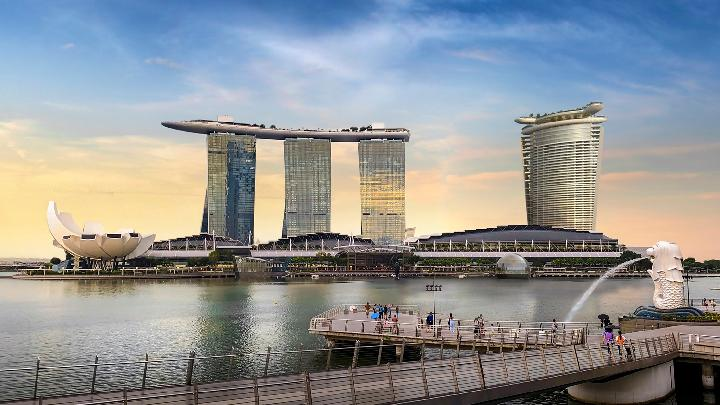
Rain in Singapore is often misunderstood. It does not usually rain all day. Instead, showers are typically short, intense, and localized. You might experience heavy rain in one area while another nearby location remains dry. This means plans do not always need to be canceled, just adjusted. Waiting for 30 to 60 minutes can often be enough for the rain to pass.
Humidity and Heat Index Explained
Humidity plays a major role in how the weather feels. When humidity is high, sweat does not evaporate efficiently, making the body feel hotter. This creates a higher heat index, which is the “feels like” temperature. For example, a temperature of 31°C can feel like 38°C or more due to humidity. Understanding this helps you pace your activities and avoid fatigue.
Indoor Culture and Lifestyle Adaptation
One of the unique aspects of Singapore is how daily life adapts to the climate. Shopping malls, transport systems, and many public spaces are air-conditioned, offering relief from the heat. Locals often plan their routines around indoor environments during the hottest parts of the day. Evening outings are popular because of the more comfortable temperatures. Adopting this approach can make your visit much more enjoyable.
Advanced Travel Strategy for Weather Optimization
To truly optimize your trip, combine weather knowledge with smart planning. Start your day early and complete major outdoor activities before noon. Keep indoor options ready for the afternoon, such as dining or shopping. Use weather apps to monitor real-time conditions and adjust plans accordingly. Always have a backup plan in case of rain. This flexible strategy ensures that weather becomes manageable rather than disruptive.
Final Thoughts on Singapore Weather Experience
Singapore’s weather is consistent but powerful. It is not about avoiding heat, humidity, or rain, but learning how to navigate them effectively. With the right preparation, smart timing, and realistic expectations, the climate becomes a manageable part of the experience rather than a limitation. Travelers who adapt quickly often find themselves enjoying the destination more, as they move comfortably between outdoor exploration and indoor relaxation.