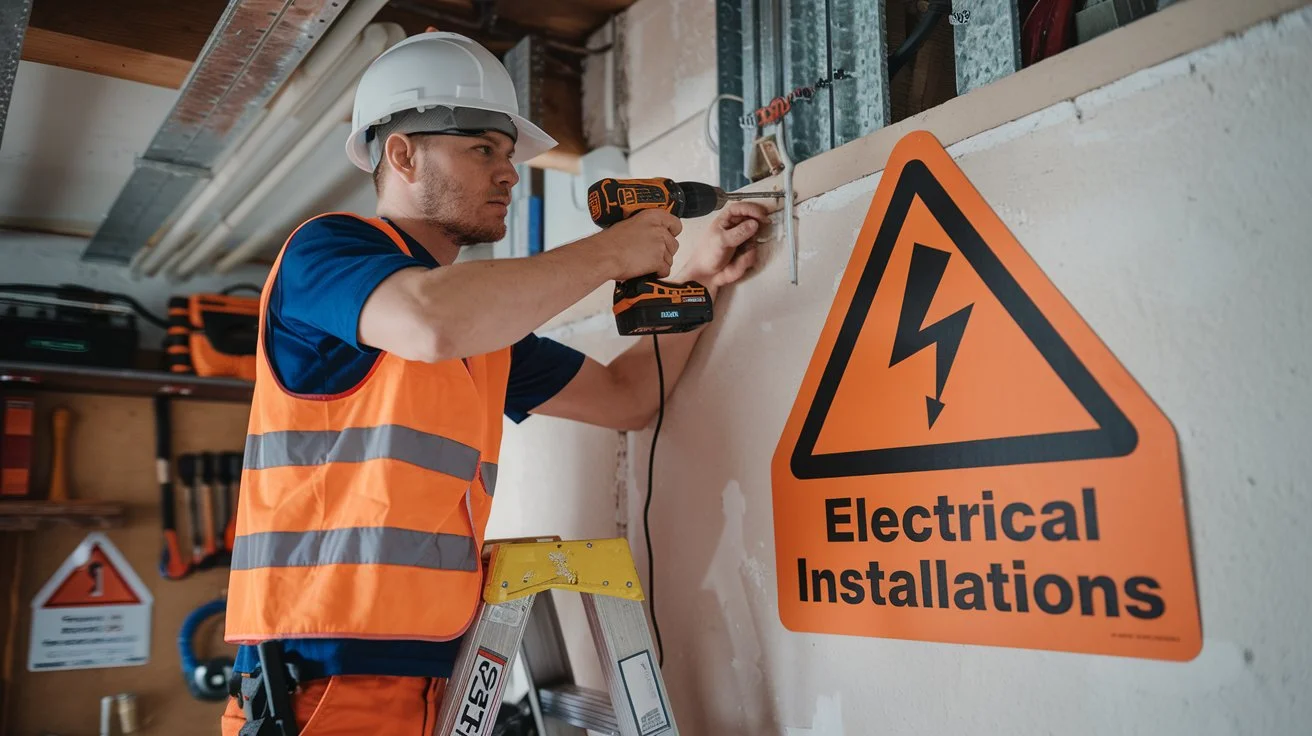
electrical safety home singapore in homes is not just about avoiding inconvenience; it is directly linked to preventing fire hazards, electric shocks, and costly property damage. In Singapore, where high-rise HDB flats and modern condominiums rely heavily on dense electrical systems, safe usage becomes even more important. Every household today uses multiple high-load appliances such as air conditioners, water heaters, microwaves, induction cookers, and smart devices. This increases the demand on wiring systems and makes proper safety awareness essential for every resident. A safe electrical environment depends on a combination of correct installation, responsible usage, regular maintenance, and awareness of early warning signs of faults.
Common Electrical Risks Found in Singapore Homes
electrical safety home singapore accidents in homes are caused by a few repeated issues. One of the most common is overloaded sockets where multiple high-power devices are connected through extension boards. Another major risk is aging or damaged wiring, especially in older HDB flats where electrical systems may not have been upgraded. Water exposure is also a critical danger, particularly in kitchens and bathrooms where outlets may come into contact with moisture. Loose plugs, poor-quality adapters, and uncertified electrical products further increase the risk of short circuits and fires. Understanding these risks helps homeowners take preventive action before accidents occur.
Overloading Sockets and Extension Usage Control
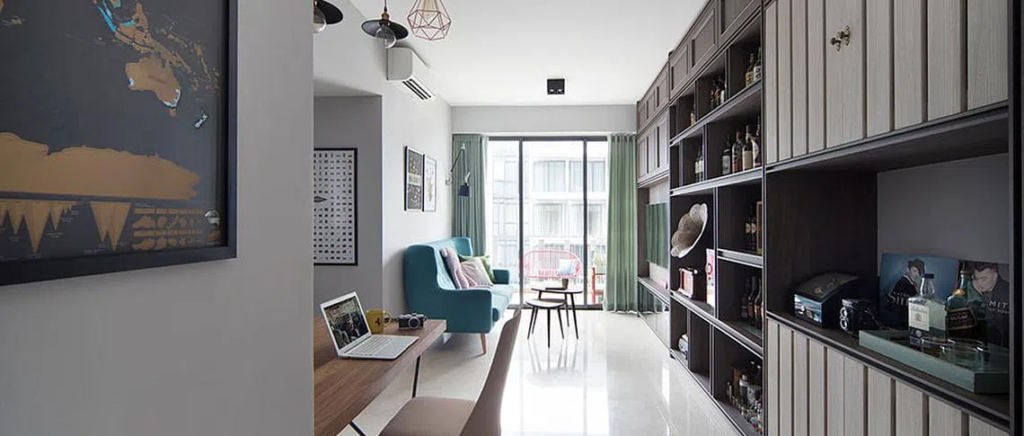
Overloading occurs when the total electrical load exceeds the capacity of a socket or circuit. In many homes, extension cords are used excessively, connecting televisions, gaming consoles, chargers, and kitchen appliances all at once. This creates heat buildup inside the wiring system. A safer approach is to distribute appliances across different wall sockets and avoid chaining multiple extension cords together. High-wattage devices such as heaters and air fryers should always be plugged directly into a wall socket. A good practice is to check the watt rating of each device and ensure the total load does not exceed the circuit limit.
Importance of Circuit Breakers and RCCB Protection
Modern Singapore homes are equipped with circuit breakers and Residual Current Circuit Breakers (RCCB), which act as the first line of defense against electrical faults. Circuit breakers automatically cut off electricity when overload or short circuit is detected. RCCBs are even more sensitive and detect leakage currents that could lead to electric shock. However, many homeowners do not test these systems regularly. A simple safety habit is to test the RCCB button monthly to ensure it trips correctly. If a breaker trips frequently, it is a warning sign of deeper wiring or appliance issues that should not be ignored.
Wiring Condition and Hidden Electrical Deterioration

Electrical wiring is hidden behind walls, making it difficult to monitor its condition. Over time, insulation can degrade due to heat, pests, or aging materials. Signs of wiring problems include flickering lights, burning smells near switches, or discolored power outlets. In older homes, rewiring may be necessary to support modern electrical loads. A licensed electrician should inspect the wiring system periodically, especially if the home is more than 15–20 years old. Preventive inspection is far more cost-effective than repairing damage after an electrical fire or failure.
Safe Use of Electrical Appliances in Daily Life
Every appliance in a home carries a specific load and usage requirement. High-power devices such as washing machines, ovens, and air conditioners should always be used according to manufacturer guidelines. Avoid operating multiple heavy appliances at the same time on the same circuit. Chargers and adapters should be unplugged when not in use to prevent standby overheating. Using certified products with safety marks ensures compliance with national safety standards. Cheap, uncertified electronics may save money initially but significantly increase long-term risk.
Water and Electricity Safety in Wet Areas
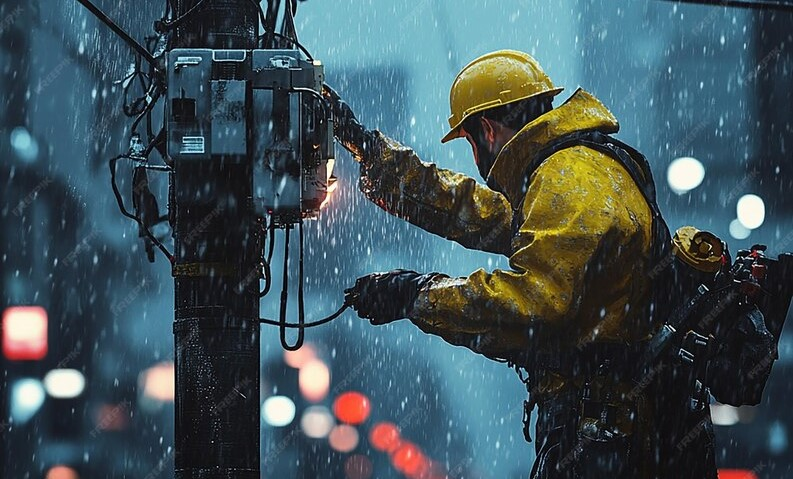
Bathrooms and kitchens are high-risk zones because water is a strong conductor of electricity. In these areas, sockets should be installed at safe distances from sinks, taps, and wet surfaces. Appliances like kettles and washing machines should never be handled with wet hands. In Singapore homes, proper grounding and waterproof socket covers are essential safety features. Even a small leakage in water near electrical wiring can lead to serious accidents. Ensuring dry surroundings around all electrical points is a simple but highly effective safety habit.
Warning Signs That Indicate Electrical Problems
Homeowners should be alert to early warning signals of electrical issues. These include frequent circuit breaker trips, buzzing sounds from outlets, sparks when plugging devices, and unusually warm switches. Another sign is inconsistent power supply where lights dim or flicker without reason. Burning smells from outlets or appliances indicate overheating and require immediate attention. Ignoring these signs can lead to complete system failure or fire hazards. Quick action by disconnecting power and calling a licensed electrician can prevent escalation.
Role of Licensed Electricians in Home Safety
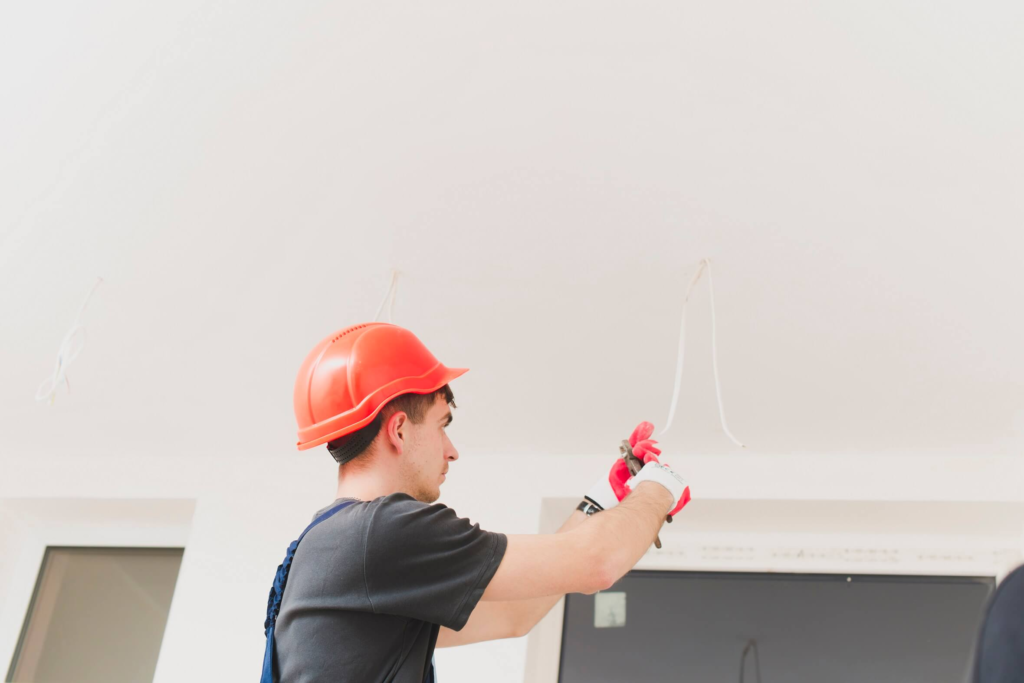
Electrical work in Singapore must be handled by licensed professionals. Attempting DIY repairs on wiring or circuit systems is extremely dangerous and can violate safety regulations. Licensed electricians ensure that installations comply with national safety codes and are capable of handling load requirements safely. They also perform load testing, grounding checks, and insulation inspections. Hiring professionals for periodic maintenance ensures long-term safety and reduces unexpected breakdowns. For renovations, electrical planning should always be included at the design stage rather than after construction.
Home Electrical Safety Checklist for Daily Use
A practical checklist helps maintain consistent safety habits. Ensure sockets are not overloaded and extension cords are used sparingly. Keep all electrical appliances away from water sources. Regularly inspect plugs and wires for damage or wear. Test circuit breakers monthly and ensure they function properly. Unplug appliances when not in use for long periods. Avoid using multiple high-power devices simultaneously. Replace damaged cables immediately instead of repairing them temporarily. These small habits significantly reduce electrical risks in daily life.
Advanced Safety Practices for Modern Homes
With the rise of smart homes, electrical load management has become more complex. Smart plugs and IoT devices should be monitored for overheating or excessive usage. Homeowners can use energy monitoring systems to track electricity consumption in real time. This helps identify overloaded circuits before they become dangerous. Installing surge protectors can protect devices from voltage spikes during storms or power fluctuations. For households using electric vehicle chargers or high-end air conditioning systems, professional load balancing is essential to prevent system stress.
Fire Prevention Through Electrical Awareness
Many residential fires originate from electrical faults rather than external sources. Preventing such incidents requires awareness and proactive maintenance. Avoid leaving appliances running unattended for long durations. Ensure ventilation around high-heat devices. Replace outdated wiring systems that cannot handle modern load demands. Keep flammable materials away from power outlets and heaters. Smoke detectors should also be installed as an additional layer of protection. Early detection systems significantly reduce fire damage and save lives.
Building Long-Term Electrical Safety Habits
Electrical safety is not a one-time task but an ongoing responsibility. Regular inspections, mindful usage, and timely upgrades form the foundation of a safe home environment. Homeowners should treat electrical systems as critical infrastructure rather than background utilities. Awareness of load capacity, appliance behavior, and warning signs ensures long-term safety. In a modern urban environment like Singapore, where electrical dependency is high, disciplined usage habits are essential for preventing accidents and ensuring uninterrupted daily life.
Conclusion: Creating a Safer Home Environment
A safe home depends on how responsibly its electrical system is managed. From avoiding overloaded sockets to ensuring proper wiring maintenance, every small action contributes to overall safety. Understanding risks, recognizing warning signs, and involving licensed professionals when needed are key steps in preventing electrical hazards. With consistent care and awareness, homeowners can create a secure environment where modern electrical convenience and safety coexist effectively.