The education system in Singapore is widely recognized as one of the most effective and high-performing systems in the world. Known for its structured curriculum, strong emphasis on academic excellence, and forward-thinking policies, Singapore has consistently ranked at the top in global education benchmarks. This success is not accidental—it is the result of a carefully designed framework that focuses on both intellectual and character development.
In this comprehensive guide, you will explore how the education system in Singapore works, its structure, key features, benefits, challenges, and why it continues to be a global benchmark for quality education.
Overview of the Education System in Singapore
The education system in Singapore is designed to nurture students from early childhood to higher education with a clear focus on holistic development. It combines strong academic foundations with critical thinking, creativity, and real-world skills.
Key characteristics include:
- Structured learning pathways
- Emphasis on meritocracy
- Bilingual education policy
- Continuous assessment and improvement
- Integration of technology in education
This system is managed by the Ministry of Education, ensuring consistent standards across schools and institutions.
Structure of the Education System in Singapore
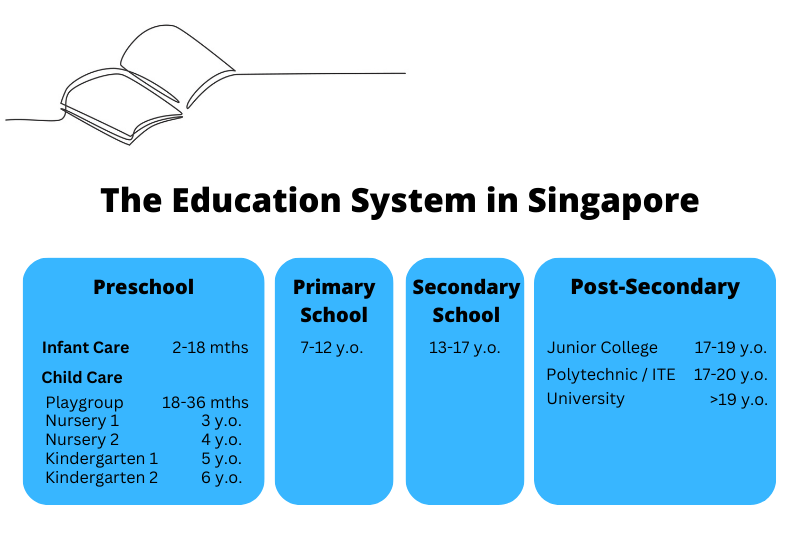
The education system in Singapore is divided into several stages, each carefully planned to support a student’s development.
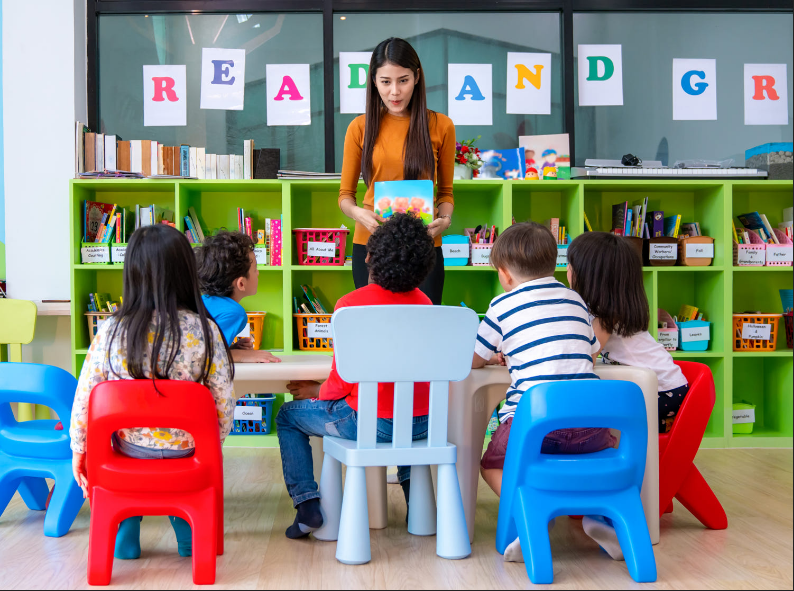
Preschool Education
Preschool education in Singapore caters to children aged 4 to 6. It focuses on building foundational skills such as:
- Basic literacy and numeracy
- Social interaction
- Motor skills
- Creativity and curiosity
Preschools are not compulsory, but they play an essential role in preparing children for primary education.
Primary Education
Primary education is compulsory and lasts for six years. It is divided into two stages:
Foundation Stage (Primary 1–4)
Students learn core subjects such as:
- English language
- Mother tongue language
- Mathematics
- Science
Orientation Stage (Primary 5–6)
At this stage, students are introduced to subject-based banding, allowing them to learn at a pace suited to their abilities.
At the end of primary education, students take a national exam that determines their next educational pathway.
Secondary Education
Secondary education typically lasts four to five years. Students are placed into different streams based on their academic performance:
- Express Course (4 years)
- Normal Academic Course (5 years)
- Normal Technical Course (4 years)
This streaming system allows students to learn at a pace that matches their strengths and abilities.
Post-Secondary Education
After completing secondary education, students can choose from multiple pathways:
Junior Colleges
These offer a two-year pre-university program focused on preparing students for higher education.
Polytechnics
Polytechnics provide diploma programs with a practical and industry-oriented approach.
Institute of Technical Education (ITE)
ITE focuses on vocational training and equips students with hands-on skills for the workforce.
Higher Education
Higher education in Singapore includes universities and specialized institutions offering undergraduate and postgraduate degrees. These institutions are known for their research excellence and global recognition.
Key Features of the Education System in Singapore
The success of the education system in Singapore lies in its unique features that set it apart from other systems.
Merit-Based Progression
Students advance based on their performance and abilities rather than age alone. This ensures that each student receives the appropriate level of challenge.
Bilingual Policy
All students learn English as the main language of instruction while also studying their mother tongue. This approach enhances global competitiveness while preserving cultural identity.
Strong Curriculum Framework
The curriculum is regularly updated to meet global standards and future workforce needs. It focuses on:
- Critical thinking
- Problem-solving
- Communication skills
Continuous Assessment
Instead of relying solely on final exams, the system uses continuous assessments to monitor student progress and provide timely support.
Technology Integration
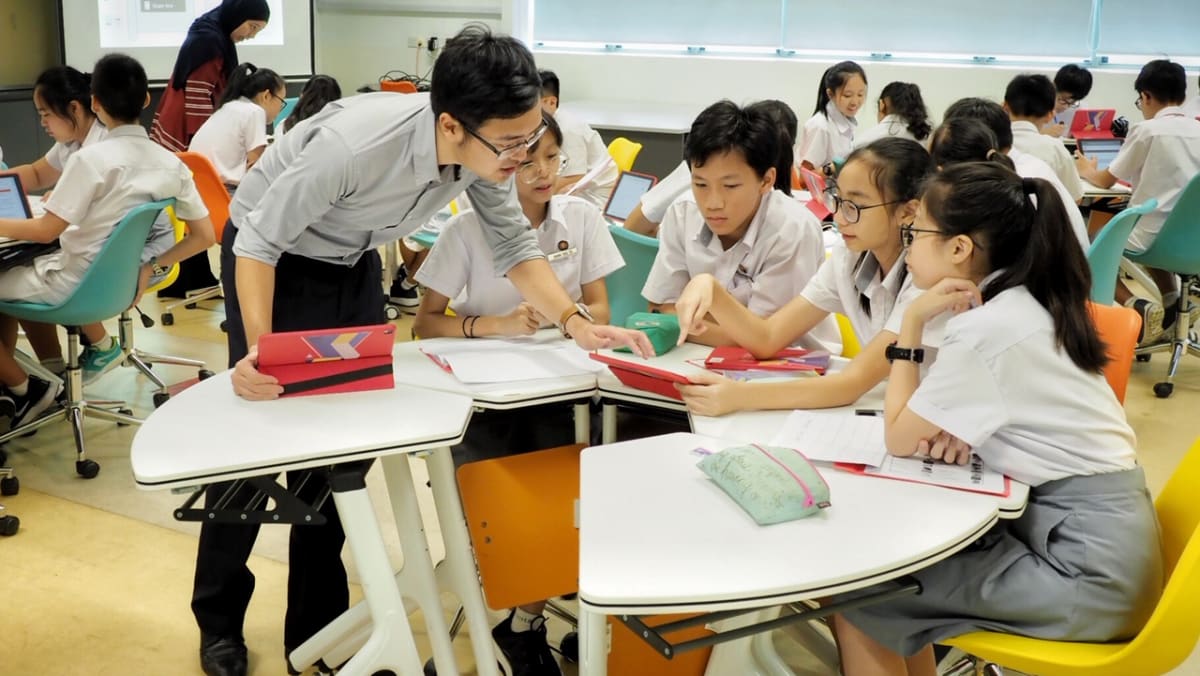
Digital learning tools and smart classrooms are widely used to enhance learning experiences and prepare students for a digital future.
Benefits of the Education System in Singapore
The education system in Singapore offers several advantages that contribute to its global reputation.
High Academic Standards
Students consistently perform well in international assessments, reflecting the effectiveness of the curriculum and teaching methods.
Holistic Development
Beyond academics, the system emphasizes character building, leadership skills, and extracurricular activities.
Career Readiness
With multiple pathways available, students can pursue academic or vocational routes based on their interests and strengths.
Global Recognition
Qualifications from Singapore are highly respected worldwide, opening doors to international opportunities.
Strong Teacher Training
Teachers undergo rigorous training and continuous professional development, ensuring high-quality instruction.
Challenges in the Education System in Singapore
Despite its strengths, the education system in Singapore faces certain challenges.
Academic Pressure
The competitive nature of the system can lead to high stress levels among students.
Overemphasis on Exams
Although reforms are being introduced, exams still play a significant role in determining academic progression.
Limited Flexibility
Some critics argue that the structured system may limit creativity and independent thinking.
Cost of Education
While public education is subsidized, additional costs such as tuition and enrichment classes can be high.
Recent Reforms and Improvements
The government has introduced several reforms to address these challenges and improve the system further.
Reduction of Exam Stress
Efforts have been made to reduce the number of exams and shift focus toward learning rather than grades.
Subject-Based Banding
This allows students to take subjects at different levels based on their strengths, promoting personalized learning.
Emphasis on Skills Development
Greater focus is placed on skills such as communication, collaboration, and innovation.
Digital Learning Expansion
Online learning platforms and digital resources are increasingly integrated into the education system.
Tips for Students in the Singapore Education System
To succeed in the education system in Singapore, students should adopt effective strategies.
Develop Strong Study Habits
Consistency and time management are essential for handling academic demands.
Focus on Understanding
Instead of memorization, aim to understand concepts deeply.
Participate in Activities
Extracurricular activities help build confidence and leadership skills.
Seek Help When Needed
Teachers and support systems are available to guide students.
Maintain Balance
Balancing academics with relaxation and hobbies is important for overall well-being.
Common Mistakes to Avoid
Students and parents should be aware of common pitfalls.
- Overloading with tuition classes
- Ignoring mental health
- Focusing only on grades
- Neglecting soft skills
- Avoiding extracurricular activities
Avoiding these mistakes can lead to a more balanced and successful educational journey.
Future of the Education System in Singapore
The education system in Singapore continues to evolve to meet future challenges. Key trends include:
- Greater emphasis on lifelong learning
- Integration of artificial intelligence in education
- Focus on creativity and innovation
- Development of global competencies
These changes aim to prepare students for a rapidly changing world while maintaining high educational standards.
FAQ About Education System in Singapore
What makes the education system in Singapore unique?
It combines academic excellence with holistic development, supported by strong policies and continuous innovation.
Is education compulsory in Singapore?
Yes, primary education is compulsory for all children.
What language is used in schools?
English is the main medium of instruction, along with a second language based on the student’s background.
How does streaming work in secondary schools?
Students are placed in different courses based on their academic performance to match their learning pace.
Are there alternatives to university education?
Yes, students can pursue polytechnic or vocational education pathways.
Is the education system stressful?
While it can be competitive, recent reforms aim to reduce stress and promote balanced learning.
What is the role of technology in education?
Technology is widely used to enhance teaching and learning experiences.
Can international students study in Singapore?
Yes, Singapore offers opportunities for international students at various levels.
How are teachers trained?
Teachers undergo rigorous training and continuous development programs.
What skills are emphasized in the system?
Critical thinking, communication, problem-solving, and adaptability are key focus areas.
Conclusion
The education system in Singapore stands as a global model of excellence, combining structured learning with innovation and adaptability. Its focus on meritocracy, bilingualism, and holistic development ensures that students are well-prepared for both academic success and real-world challenges.
While challenges such as academic pressure exist, ongoing reforms continue to improve the system and make it more balanced and inclusive. As the world evolves, Singapore’s education system remains committed to nurturing future-ready individuals equipped with the skills, knowledge, and values needed to succeed in a competitive global landscape.