singapore festivals guide of the most culturally diverse destinations in Asia, where traditions from Chinese, Malay, Indian, and Western communities blend into a vibrant annual celebration cycle. Festivals here are not just events but living expressions of heritage, religion, and modern urban identity. Throughout the year, the city transforms into themed cultural zones with decorations, street performances, food bazaars, and public gatherings. This creates a continuous festival atmosphere that makes Singapore unique compared to many global destinations.
Major Festival Calendar Overview for Year-Round Planning
singapore festivals guide are distributed evenly across the year, making it a consistent travel destination regardless of season. The most significant celebrations typically include Chinese New Year in January or February, Hari Raya Puasa following Ramadan, Deepavali between October and November, and Christmas in December. Alongside these major events, Singapore also hosts cultural parades, food festivals, arts festivals, and shopping celebrations such as the Great Singapore Sale season. This year-round schedule allows visitors to align travel plans with specific cultural experiences.
Chinese New Year Celebration Experience and Highlights
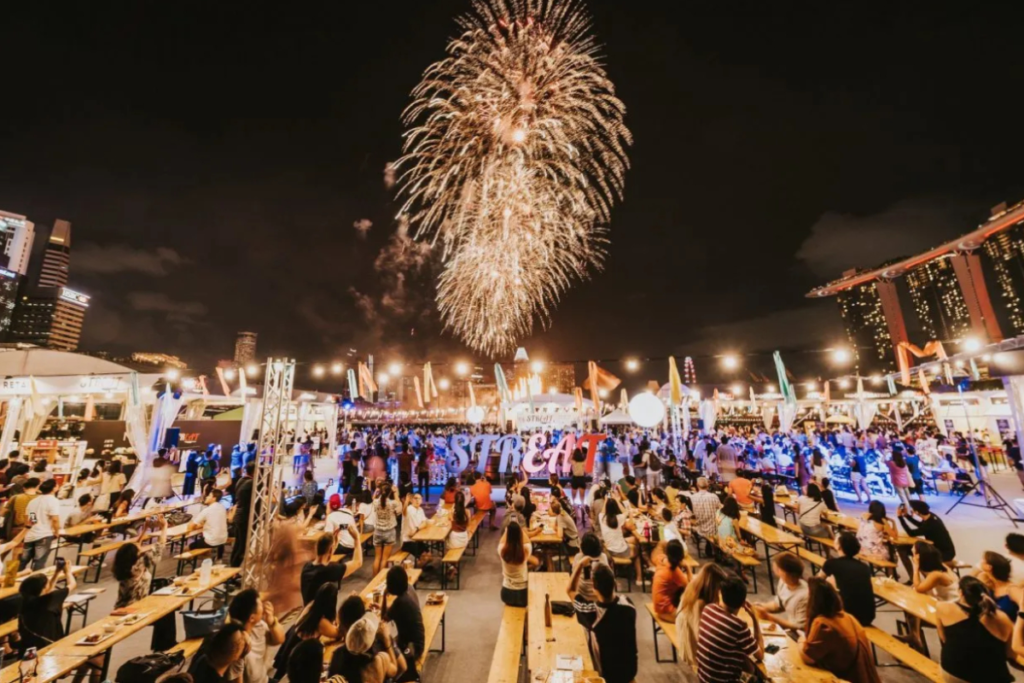
Chinese New Year is the most widely celebrated festival in Singapore, marking the beginning of the lunar calendar. The city, especially Chinatown, is decorated with red lanterns, zodiac-themed displays, and glowing street installations. Night markets become active hubs offering traditional snacks, decorative items, and festive goods. The River Hongbao event at Marina Bay often features fireworks, lantern exhibitions, and cultural performances. Visitors experience lion dances, dragon parades, and temple visits where incense rituals take place. The festival symbolizes prosperity, family unity, and renewal, making it a deeply immersive cultural event.
Hari Raya Puasa Cultural Festivities and Community Spirit
Hari Raya Puasa marks the end of Ramadan and is celebrated by Singapore’s Malay-Muslim community. During this period, the Geylang Serai area becomes a vibrant night bazaar filled with food stalls, decorative lights, and traditional clothing shops. Homes are decorated, and families gather for open-house visits where guests are welcomed with traditional dishes such as ketupat, rendang, and kuih. The festival emphasizes forgiveness, gratitude, and community bonding. Visitors can explore cultural exhibitions and enjoy illuminated streets that highlight Malay heritage and hospitality.
Deepavali Festival of Lights and Cultural Immersion
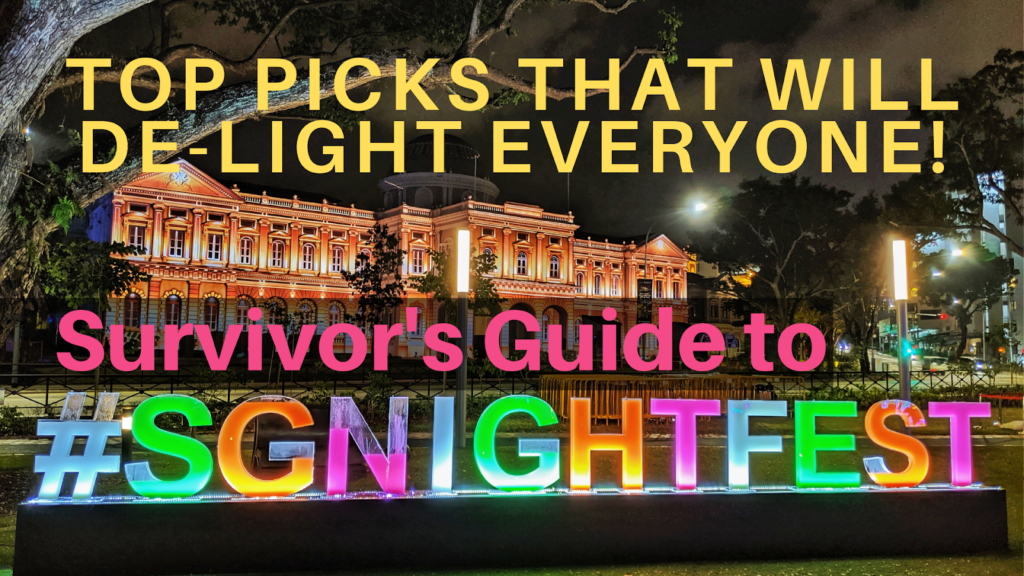
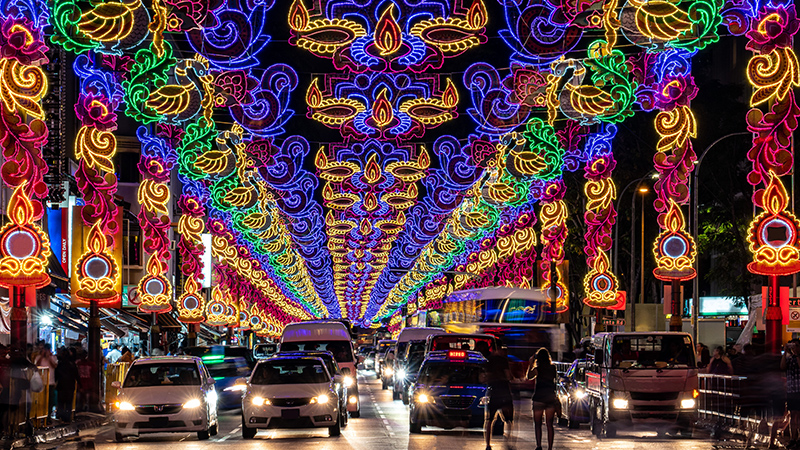
Deepavali, also known as the Festival of Lights, is celebrated in Little India, where streets are decorated with colorful arches, floral arrangements, and illuminated patterns. The festival represents the victory of light over darkness and good over evil. Cultural performances, temple ceremonies, and shopping bazaars create a highly energetic environment. Visitors can explore Indian textile markets, jewelry shops, and traditional sweet stalls. The lighting displays along Serangoon Road are among the most visually impressive seasonal decorations in Singapore, making it a favorite photography destination.
Christmas Wonderland and Year-End Festive Transformation
Christmas in Singapore transforms the city into a modern winter-themed celebration despite its tropical climate. Orchard Road becomes the centerpiece of festive lighting installations, themed decorations, and music-driven displays. Marina Bay Sands hosts seasonal events, including light shows and festive markets. Although snow is absent, artificial snowfall zones and Christmas villages create a unique tropical interpretation of the holiday. The atmosphere combines retail excitement, entertainment, and holiday spirit, making it one of the most commercially vibrant festival periods of the year.
Mid-Autumn Festival Lantern Culture and Family Traditions
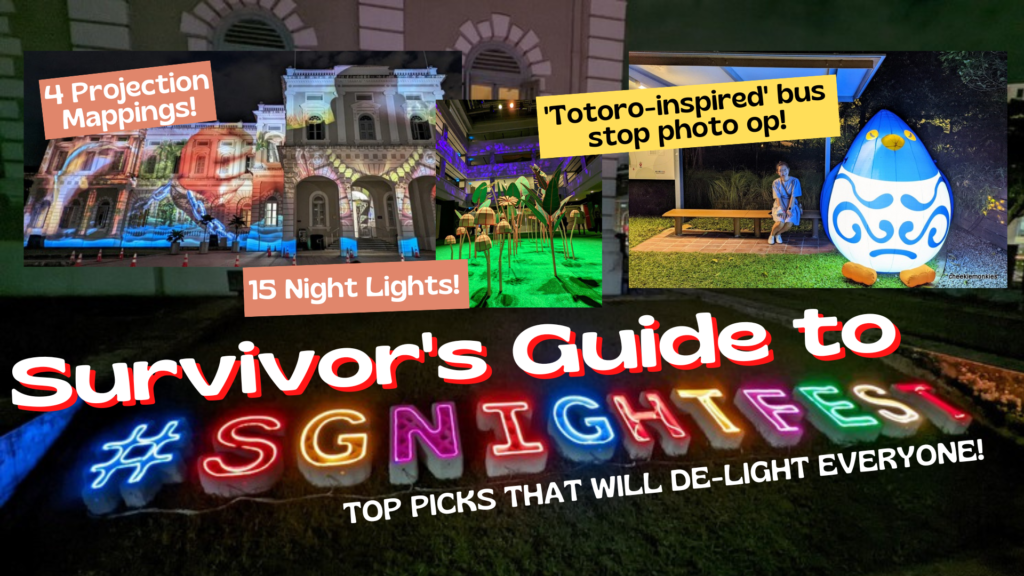
The Mid-Autumn Festival is celebrated primarily by the Chinese community and focuses on family unity, moon worship traditions, and lantern displays. Parks such as Gardens by the Bay and Chinatown become illuminated with artistic lantern installations. Mooncake stalls appear across the city offering traditional and modern flavors. Cultural storytelling events and children’s lantern processions create a family-friendly environment. The festival is visually symbolic, with moon imagery representing harmony and togetherness.
Thaipusam Spiritual Devotion and Ritual Processions
Thaipusam is a significant Hindu festival celebrated with deep spiritual devotion. Participants often undertake processions carrying kavadis, which are elaborate structures symbolizing penance and gratitude. The procession route typically moves from Sri Srinivasa Perumal Temple to Sri Thendayuthapani Temple. Devotees engage in acts of endurance and prayer, accompanied by music, chanting, and community support. This festival provides a powerful insight into faith-based cultural expression and religious commitment.
Singapore Food Festivals and Culinary Celebrations
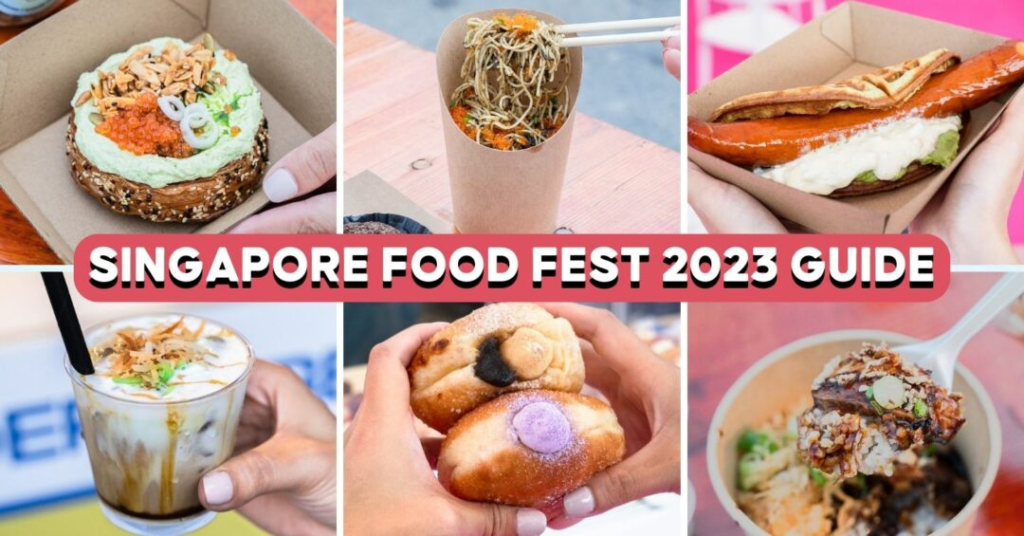
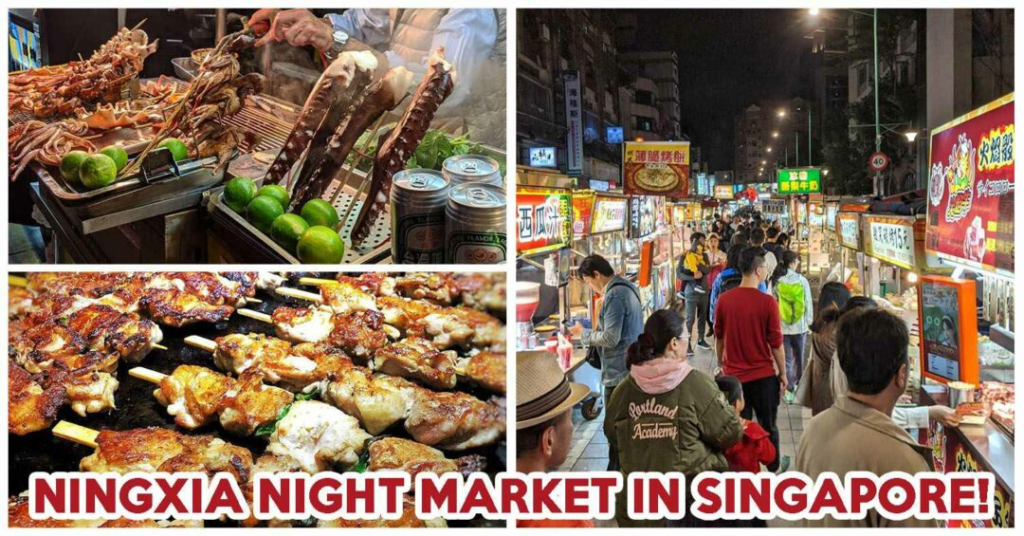
Food plays a central role in Singapore’s festival ecosystem. Events such as food fairs, hawker festivals, and cultural night markets showcase local cuisine including laksa, satay, chicken rice, and roti prata. During major festivals, streets transform into open-air dining zones where traditional dishes are prepared in festive variations. These culinary experiences allow visitors to understand cultural identity through taste and food traditions. Food festivals often run alongside cultural celebrations, enhancing the overall experience.
Arts and Cultural Festivals in Urban Spaces
Singapore also hosts internationally recognized arts festivals such as visual arts exhibitions, theater performances, and music events. These festivals are often held in venues like Esplanade and Civic District spaces. Public art installations and street performances add creative energy to the city landscape. These events attract both local artists and international performers, positioning Singapore as a growing cultural hub in Asia. The integration of art into public spaces makes cultural expression accessible to everyone.
Shopping and Lifestyle Festival Seasons
Retail festivals are another major aspect of Singapore’s annual calendar. Shopping districts like Orchard Road and Marina Bay Sands become central hubs for seasonal sales and themed promotions. The Great Singapore Sale period traditionally attracts tourists seeking luxury brands and discounted products. During festive seasons, malls are decorated with elaborate themes, blending commercial activity with cultural celebration. This creates a unique combination of shopping tourism and festive enjoyment.
Best Areas to Experience Festivals in Singapore
Different districts in Singapore offer distinct festival experiences. Chinatown is best for Chinese New Year and Mid-Autumn Festival celebrations. Little India becomes the focal point for Deepavali festivities. Geylang Serai is the center of Hari Raya celebrations. Marina Bay and Orchard Road host large-scale citywide events, fireworks, and light shows. Understanding these geographic clusters helps visitors plan efficient routes to experience multiple festivals in one trip.
Travel Planning Tips for Festival Season Visits
Planning a visit around festival periods requires attention to crowd levels, accommodation pricing, and transportation availability. Popular festivals attract high tourist volumes, making early hotel bookings essential. Public transport is the most efficient way to navigate crowded districts. Evening visits are generally the most visually impressive due to lighting displays and performances. Visitors should also consider weather conditions, as Singapore’s tropical climate includes frequent rain showers throughout the year.
Cultural Etiquette and Visitor Awareness Guidelines
Respect for cultural practices is important when attending festivals in Singapore. Visitors should dress modestly when visiting temples or religious ceremonies. Photography may be restricted in certain ritual areas, especially during spiritual events. It is also important to follow crowd control instructions during parades and public gatherings. Understanding local customs enhances the experience and ensures respectful participation in cultural environments.
Conclusion Experience Strategy for Singapore Festival Tourism
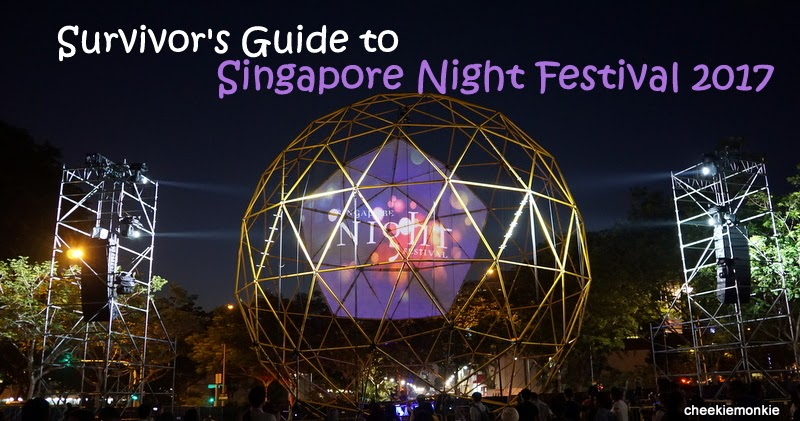
Singapore’s festival landscape offers a continuous cycle of cultural, religious, and entertainment experiences that reflect its diverse population. Unlike destinations with seasonal limitations, Singapore provides year-round opportunities to explore traditions, food culture, artistic expression, and modern celebrations. By understanding the timing, location, and cultural significance of each festival, visitors can design immersive travel experiences that go beyond sightseeing and create meaningful cultural engagement.