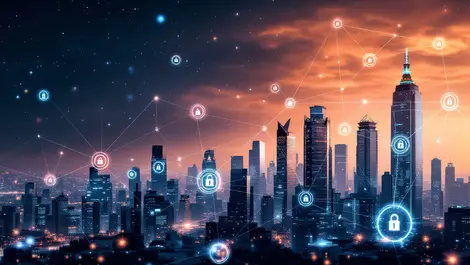
digital life in singapore stands among the world’s most digitally advanced societies, where technology is deeply integrated into everyday life. From the moment you wake up to the time you go to sleep, digital systems quietly power almost every interaction. Whether it’s commuting, paying bills, ordering food, or accessing government services, everything is designed for speed, efficiency, and convenience. This environment creates a seamless lifestyle that feels futuristic yet practical.
How Daily Life Runs on Digital Systems
A typical day in Singapore reflects how embedded technology has become. Morning routines often begin with mobile apps, whether checking weather updates, reading news, or managing schedules. Transportation is almost entirely digital, with commuters using contactless cards or mobile wallets to access buses and trains. Real-time tracking apps allow users to plan journeys with precision, reducing waiting time and uncertainty.
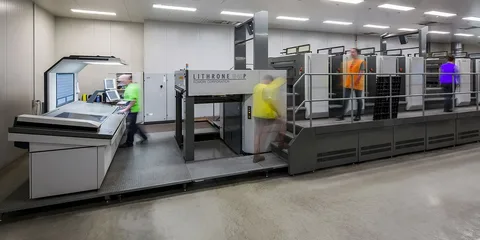
At workplaces, digital tools dominate communication and workflow management. Cloud-based platforms, virtual meetings, and automated systems make productivity smoother. Even small businesses rely heavily on digital payments and online platforms, showing how deeply technology influences the economy at every level.
Cashless Economy and Smart Payments
One of the most noticeable aspects of digital life in Singapore is the near elimination of cash. People use QR codes, mobile wallets, and contactless cards for almost every transaction. Street vendors, shopping malls, and even small kiosks accept digital payments. This shift has improved efficiency, reduced transaction time, and increased financial transparency.
Digital banking also plays a major role. Users can transfer money instantly, pay bills, and manage investments directly from their smartphones. The convenience of handling financial activities without visiting physical banks has transformed how people interact with money.
Smart Transportation and Urban Mobility

Transportation in Singapore is a strong example of how digital infrastructure enhances urban living. Public transport systems are supported by intelligent tracking and route optimization. Commuters receive live updates on delays, crowd levels, and arrival times, making travel predictable and stress-free.
Ride-hailing services are another major component, offering convenience and flexibility. With just a few taps, users can book rides, compare prices, and track drivers in real time. This integration of digital platforms ensures that mobility remains efficient across the city.
Digital Government Services and E-Governance
Singapore’s government services are highly digitized, allowing residents to complete most administrative tasks online. Whether applying for permits, paying taxes, or accessing healthcare services, everything can be done through centralized digital platforms.
This approach saves time and reduces bureaucracy. Instead of standing in long queues, individuals can handle official matters from their homes. Digital identity systems further enhance security and streamline authentication processes.
Healthcare and Digital Wellness Systems
Healthcare has also embraced digital transformation. Patients can book appointments, access medical records, and consult doctors through online platforms. Telemedicine services are becoming increasingly common, providing convenience for minor health concerns.
Wearable devices and health apps encourage individuals to track their fitness, sleep patterns, and overall well-being. This shift towards digital wellness promotes preventive healthcare and helps people maintain healthier lifestyles.
Education and Digital Learning Environment
Education in Singapore reflects a strong digital foundation. Schools and institutions use online platforms for assignments, collaboration, and communication. Students have access to digital resources, virtual classrooms, and interactive learning tools that enhance their educational experience.
This approach prepares students for a technology-driven future while making learning more flexible and accessible. It also encourages independent study and critical thinking through digital research tools.
Work Culture in a Digitally Advanced Society

The work environment in Singapore is heavily influenced by digital tools and automation. Remote work, flexible schedules, and online collaboration platforms have become common. Businesses rely on data analytics, artificial intelligence, and digital systems to improve efficiency and decision-making.
Employees benefit from faster workflows and better communication, while companies gain from increased productivity and reduced operational costs. This digital work culture creates a competitive and innovative environment.
Social Life and Digital Connectivity
Social interactions in Singapore are also shaped by technology. Messaging apps, social media platforms, and online communities play a major role in communication. People organize events, share experiences, and stay connected through digital channels.
Entertainment has also shifted online, with streaming services, gaming platforms, and digital content dominating leisure activities. This creates a highly connected society where information and entertainment are always accessible.
Advantages of Digital Life in Singapore
Efficiency and speed define the biggest advantages. Tasks that might take hours in other countries can be completed within minutes. Digital systems reduce manual effort, improve accuracy, and enhance convenience.
Accessibility is another key benefit. Services are available 24/7, allowing users to manage their lives without time restrictions. This flexibility supports busy lifestyles and improves overall quality of life.
Security and reliability also stand out. Strong regulations and advanced systems ensure safe transactions and data protection, building trust in digital platforms.
Challenges and Hidden Downsides
Despite its benefits, digital life in Singapore comes with challenges. Over-reliance on technology can create dependency, making individuals less capable of functioning without digital tools.
Privacy concerns are another issue, as increased data usage raises questions about information security. While systems are generally secure, the constant exchange of data requires careful management.
Digital fatigue is also becoming common. Continuous screen time, notifications, and online interactions can lead to mental exhaustion. Balancing digital and offline life is essential to maintain well-being.
Digital Inclusion and Accessibility Efforts
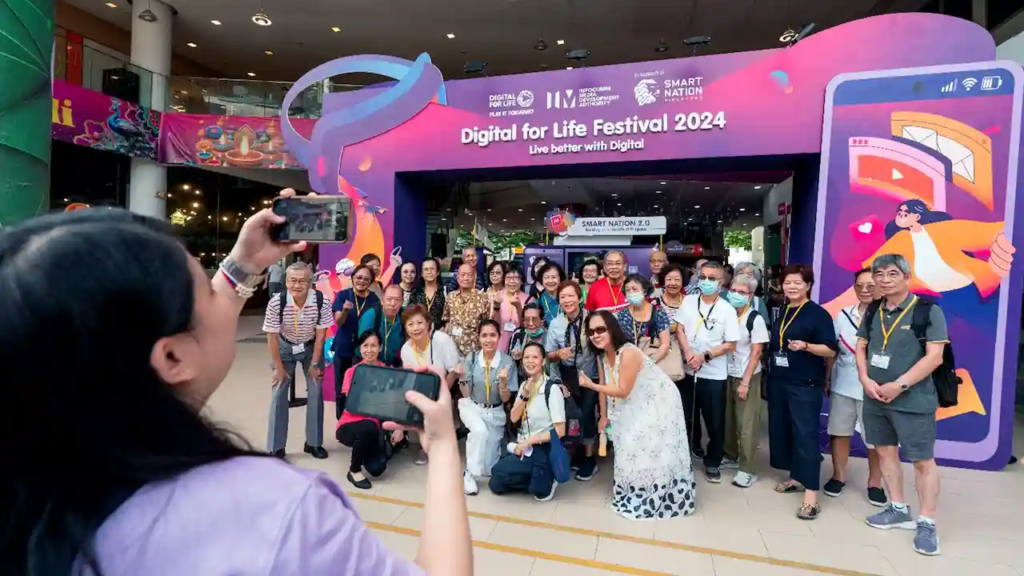
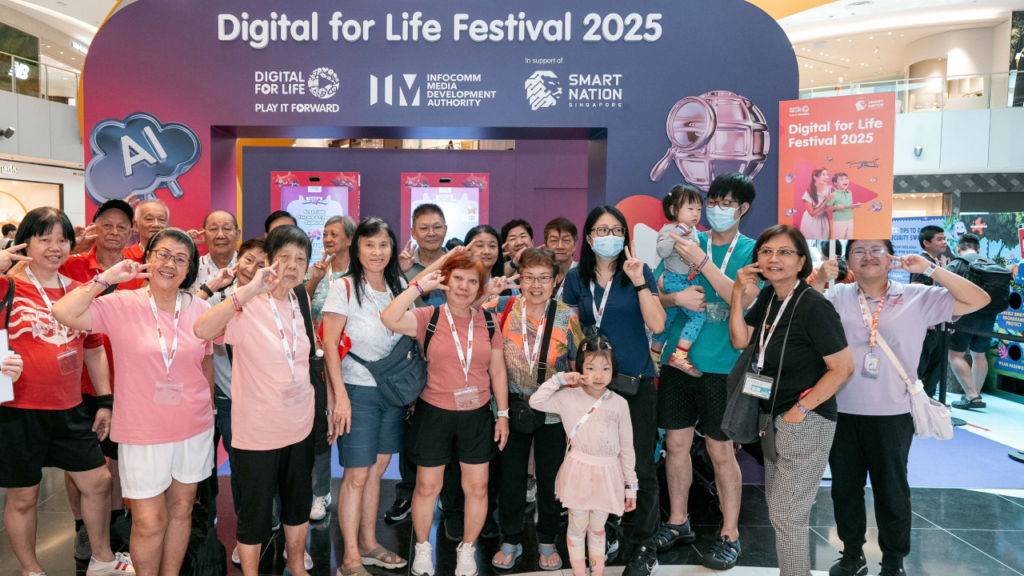
Singapore actively works to ensure that everyone benefits from digital advancements. Programs and initiatives help seniors and less tech-savvy individuals learn how to use digital tools. Training sessions, community support, and simplified applications aim to bridge the digital divide.
These efforts ensure that technology remains inclusive and does not leave certain groups behind. By promoting digital literacy, the society becomes more balanced and equitable.
What Makes Singapore’s Digital Life Unique
The uniqueness of Singapore’s digital ecosystem lies in its seamless integration. Unlike many countries where digital systems exist separately, Singapore connects them into a unified experience. Transportation, banking, healthcare, and government services work together smoothly, creating a cohesive digital environment.
Another distinguishing factor is the balance between innovation and regulation. While technology is widely adopted, strong policies ensure stability, security, and reliability. This combination creates a system that is both advanced and trustworthy.
What Surprises Newcomers and Visitors
People experiencing digital life in Singapore for the first time often notice how effortless everything feels. The ability to move through the city, make payments, and access services without friction can be surprising.
Another common observation is the speed of transactions and processes. Whether ordering food or completing official tasks, the efficiency stands out immediately.
However, newcomers may also feel overwhelmed by the level of digital dependence. Adjusting to a fully digital lifestyle can take time, especially for those coming from less tech-driven environments.
Future of Digital Living in Singapore
The future of digital life in Singapore is expected to become even more advanced. Emerging technologies such as artificial intelligence, smart city systems, and automation will further enhance daily experiences.
Urban planning will continue to integrate digital solutions, creating smarter infrastructure and more sustainable living conditions. Personalized services, predictive systems, and enhanced connectivity will shape the next phase of digital evolution.
Conclusion: A Balanced Perspective on Digital Life
Digital life in Singapore offers a powerful example of how technology can transform society. It brings unmatched convenience, efficiency, and connectivity, making everyday life smoother and more productive. At the same time, it highlights the importance of balance, awareness, and responsible usage.
For anyone exploring or planning to experience this environment, understanding both the advantages and challenges is essential. Singapore’s digital lifestyle is not just about technology—it is about how seamlessly it fits into human life, shaping the way people live, work, and interact in a modern world.